UK Immigration Reform Returns to Parliament as Deportation and Settlement Rules Face Scrutiny
The government's immigration bill combines changes to asylum appeals and deportation law with a controversial plan to double the normal route to indefinite leave to remain from five to ten years.
UK News & Politics Editor ·
A politically charged return to the Commons
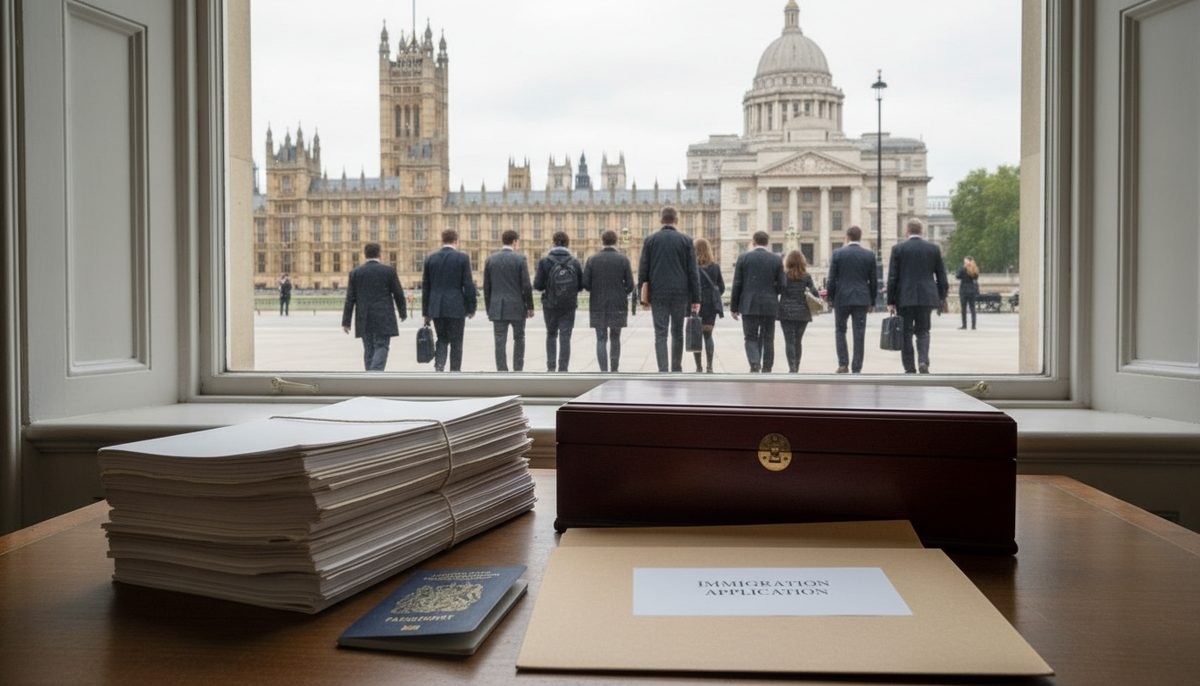
The government's immigration and asylum agenda returned to the House of Commons on 13 July 2026 with proposals covering deportation, human-rights arguments, asylum appeals and settlement. Home Secretary Shabana Mahmood presented the reforms as an effort to restore public confidence in a system that must be both controlled and fair. The debate is politically sensitive because it combines several different questions: how Britain removes serious foreign offenders, how refugees appeal decisions and how long lawful migrants should wait before gaining permanent status.
The proposed deportation law change
One of the most prominent announcements concerns Shabir Ahmed, who was convicted of serious child sexual offences connected with the Rochdale grooming gang and served a lengthy prison sentence. The government wants to change the law so that he can be considered for deportation. Current protections linked to Commonwealth citizens who arrived in Britain many decades ago reportedly prevent removal in his case. Ministers say people convicted of grave crimes should not benefit from a historic legal exemption. However, changing UK law does not guarantee deportation because another country must accept the person and legal appeals may follow.
Why individual cases should not replace general lawmaking
The facts of Ahmed's convictions create understandable public anger, but legislation should be drafted for a general category of cases rather than as punishment aimed at one named person. Parliament must examine how the change would affect other long-resident Commonwealth citizens, including people with strong family ties or no realistic connection to the country of proposed removal. Courts may need to balance public protection, rehabilitation, family life and international obligations. A durable law must be clear enough to survive legal challenge and fair enough to apply consistently.
Changes involving Article 8
The bill includes reforms affecting how courts apply Article 8 of the European Convention on Human Rights, which protects private and family life. Article 8 is not an absolute right. Governments can interfere with it where action is lawful, necessary and proportionate for aims such as public safety or prevention of crime. Ministers argue that immigration and deportation cases have sometimes given excessive weight to weak family-life claims. Lawyers and rights groups warn that political rhetoric can oversimplify decisions involving children, partners and people who have lived in the UK for most of their lives.
A new asylum appeals structure
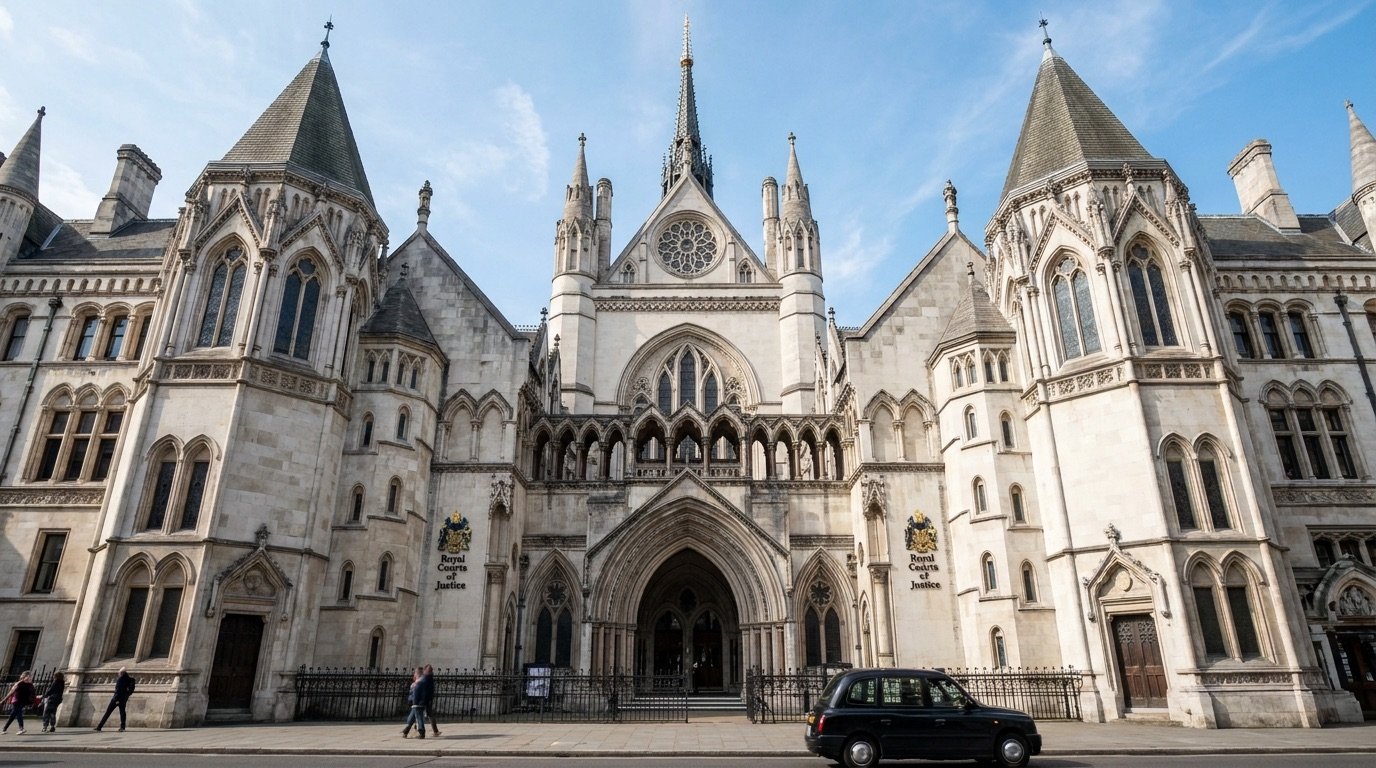
The government also proposes replacing the existing independent asylum court structure with a new appeals body. Supporters say a redesigned system could reduce delays and prevent repeated claims. Critics will ask whether the new body is genuinely independent, properly resourced and capable of correcting Home Office errors. Speed matters because long waits leave applicants in uncertainty and increase accommodation costs. Accuracy matters just as much because a wrong decision can return someone to persecution. Any reform should publish performance data on waiting times, outcomes and successful appeals.
The ten-year settlement controversy
The most far-reaching policy may be the plan to double the normal qualifying period for indefinite leave to remain from five years to ten. ILR allows a person to live and work permanently in the UK and is often a step towards citizenship. The government describes settlement as something that should reflect contribution and compliance. Opponents argue that extending the period creates a decade of fees, visa renewals and uncertainty for families who work, pay tax and raise children in Britain. The change is expected to be made through immigration rules rather than the primary legislation itself.
The question of retrospective application
A central dispute is whether the ten-year rule should apply to people already on a five-year route. Almost 80 Labour MPs reportedly urged Andy Burnham to protect existing migrants from retrospective change. One option under consideration would allow people already in the system to obtain ILR after five years while delaying access to some benefits. The fairness argument is strong: families made employment, housing and education decisions based on rules in force when they arrived. The government's counterargument is that migration policy must respond to new pressures and that settlement is not automatically guaranteed.
Economic and public-service effects
Longer temporary status could affect recruitment and retention in sectors such as health and social care, where many workers entered through visas created under earlier policies. Repeated application fees may reduce household spending and make it harder to obtain mortgages. Employers may face uncertainty about staff retention. On the other hand, ministers believe stricter settlement rules could reduce net migration and encourage higher earnings or stronger integration. A credible assessment should examine behaviour, labour shortages, tax contributions and administrative costs rather than relying only on headline migrant numbers.
Compassion and credibility
Burnham's team has indicated support for the broad direction of Mahmood's reforms, arguing that the public deserves an asylum system that is compassionate and credible. Those terms are often presented as opposites, but a functioning system requires both. Credibility means decisions are timely, borders are managed and serious offenders can be removed where the law permits. Compassion means genuine refugees receive protection, children are considered and long-term residents are not subjected to arbitrary insecurity. The real policy test is whether the detailed rules achieve that balance.
Implementation risks
The Home Office already manages complex casework and significant backlogs. New legal tests, a new appeals body and transitional settlement arrangements could add complexity before they reduce it. Staff need training, digital systems must be updated and applicants need clear guidance. Poor implementation would generate more litigation and delay. Parliament should seek costings, timetables and safeguards, including independent inspection. The impact assessment and subsequent regulations will be as important as the political speeches.
What happens next
The bill must pass through parliamentary stages, where MPs and peers can propose amendments. Separate changes to ILR may proceed through immigration rules and consultation responses. The proposed Shabir Ahmed deportation law will face close examination for compatibility with human rights and international agreements. For migrants, employers and legal advisers, the most important information will be the commencement dates and transitional provisions. Until those details are confirmed, nobody should assume that a ten-year route automatically applies to every current visa holder.
A defining issue for the next government
UK immigration reform 2026 is likely to become one of the first major tests for the expected Burnham administration. The politics rewards simple promises, but immigration law is shaped by individual circumstances, international cooperation and administrative capacity. A sustainable system must be enforceable, economically informed and legally robust. It must also explain the rules honestly to the public and to people whose lives depend on them. The Commons debate, like the Westminster Hall debate on the mass-deportation petition that followed it, is the beginning of that scrutiny, not the end.
Source notes
- The Guardian, 13 July 2026
- GOV.UK Immigration and Asylum Bill impact assessment, 30 June 2026
Filed under Politics · Written by Eleanor Whitfield
You may also like to read