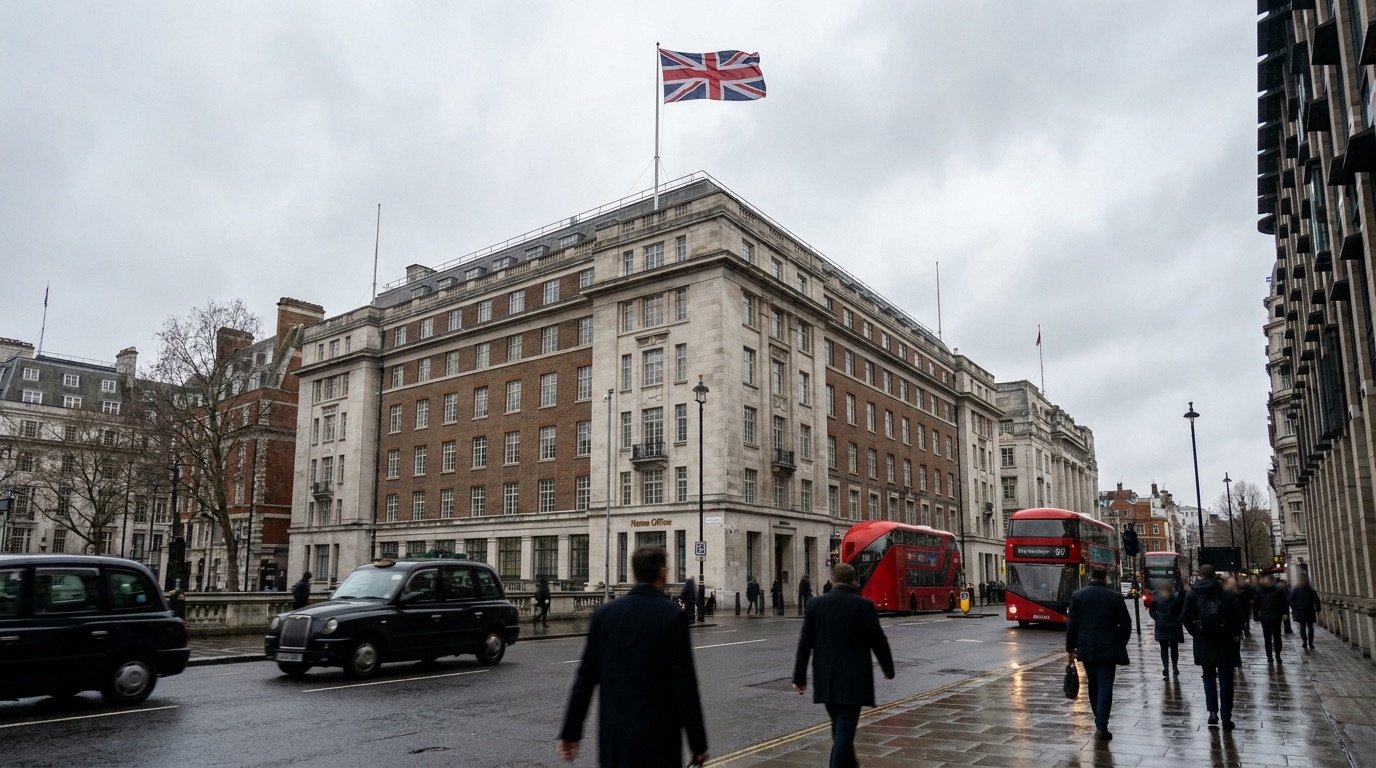
Asylum hotels close as Home Office shifts to larger sites and discretionary support
The closure of eleven hotels is expected to save nearly £65m a year, as the government scales up alternative accommodation and changes the legal footing for support.
UK News & Politics Editor ·
Why it's trending
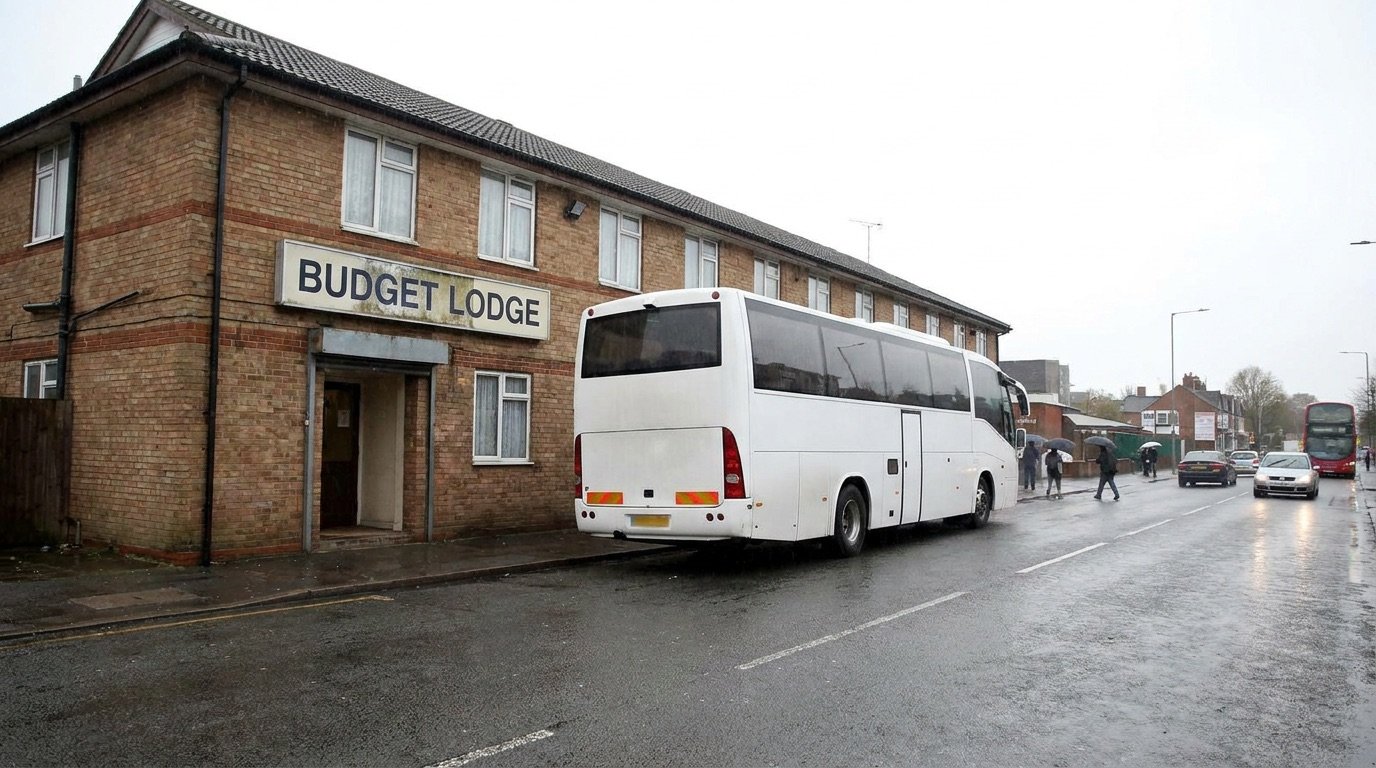
Eleven more asylum hotels are closing as the Home Office shifts to larger sites — with savings of nearly £65m a year claimed.
The government has confirmed the closure of eleven more asylum hotels, the latest step in its plan to end the use of hotels for asylum accommodation altogether by 2029. The Home Office says the closures will save nearly £65 million a year, as it scales up larger accommodation sites and changes the legal basis on which support is provided.
Hotel use has been the most visible and politically charged element of the asylum system for years. Around 32,000 asylum seekers were living in hotels as of June 2025 — a population that has made the policy a running argument about cost, community impact and the pace of asylum decision-making.
At a glance
- Eleven hotels confirmed for closure in the latest round
- Estimated savings of nearly £65 million a year
- Around 32,000 asylum seekers were in hotels as of June 2025
- Government target to end hotel use by 2029
Why hotels became the pressure valve
Hotels were never designed to be part of the asylum estate. They became the default overflow when the backlog of undecided claims outgrew dispersed housing, and their nightly-rate economics made them by far the most expensive way to accommodate people awaiting decisions.
That is why closures carry both fiscal and symbolic weight. Each hotel returned to normal use removes a recurring cost and a local flashpoint — but only if the people housed there have somewhere else to go, which is where the larger-sites strategy comes in.
The shift to large sites
The government's alternative is a smaller number of larger accommodation sites, run at lower cost per person and — ministers argue — easier to manage and secure than hundreds of dispersed hotels. The £65 million annual saving attached to this round of closures is the core of the value-for-money case.
Large sites bring their own controversies, from planning battles to conditions concerns raised by inspection bodies and refugee charities. The bet is that consolidated sites, whatever their difficulties, are more defensible than an open-ended hotel bill.
From duty to discretion
Running alongside the estate changes is a quieter legal shift: moving elements of asylum support onto a discretionary footing rather than an automatic duty. That changes the government's obligations at the margins and gives the Home Office more control over who is accommodated, where and on what terms.
Lawyers and support organisations watch this space closely, because discretionary systems produce harder edges — cases where support is refused — and those cases tend to end up before the courts. The legal architecture of asylum support is likely to be tested as the new footing beds in.
The numbers that decide success
Three figures will determine whether the strategy is judged to work: the hotel population, the cost per supported person, and the asylum decision backlog. Hotels empty sustainably only if claims are decided faster and refused claimants are removed or granted claimants move into ordinary housing.
The 2029 target gives the programme a hard deadline. Progress that relies on shuffling people between accommodation types, rather than shrinking the supported population, would cut less money than advertised — which is why the caseload numbers matter as much as the closure announcements.
What happens next
Further closure rounds are expected as large-site capacity comes on stream, with the Home Office reporting savings against its accommodation budget as the estate shrinks.
The test for communities is local and specific: whether the transition out of their hotel is orderly. The test for taxpayers is the annual accounts. And the test for the asylum system as a whole remains the same as ever — the speed and fairness of the decisions that determine who needs accommodation at all.
Sources & verification
- GOV.UK — primary reporting referenced by this article
Filed under UK News · Written by Eleanor Whitfield
You may also like to read