Starmer to stay as caretaker: how Whitehall keeps running during the Labour leadership vacuum
Sir Keir Starmer remains prime minister until a successor is chosen, with no formal acting PM and Whitehall operating under a self-imposed restraint that has no firm rulebook.
Eleanor Whitfield
Writer ·
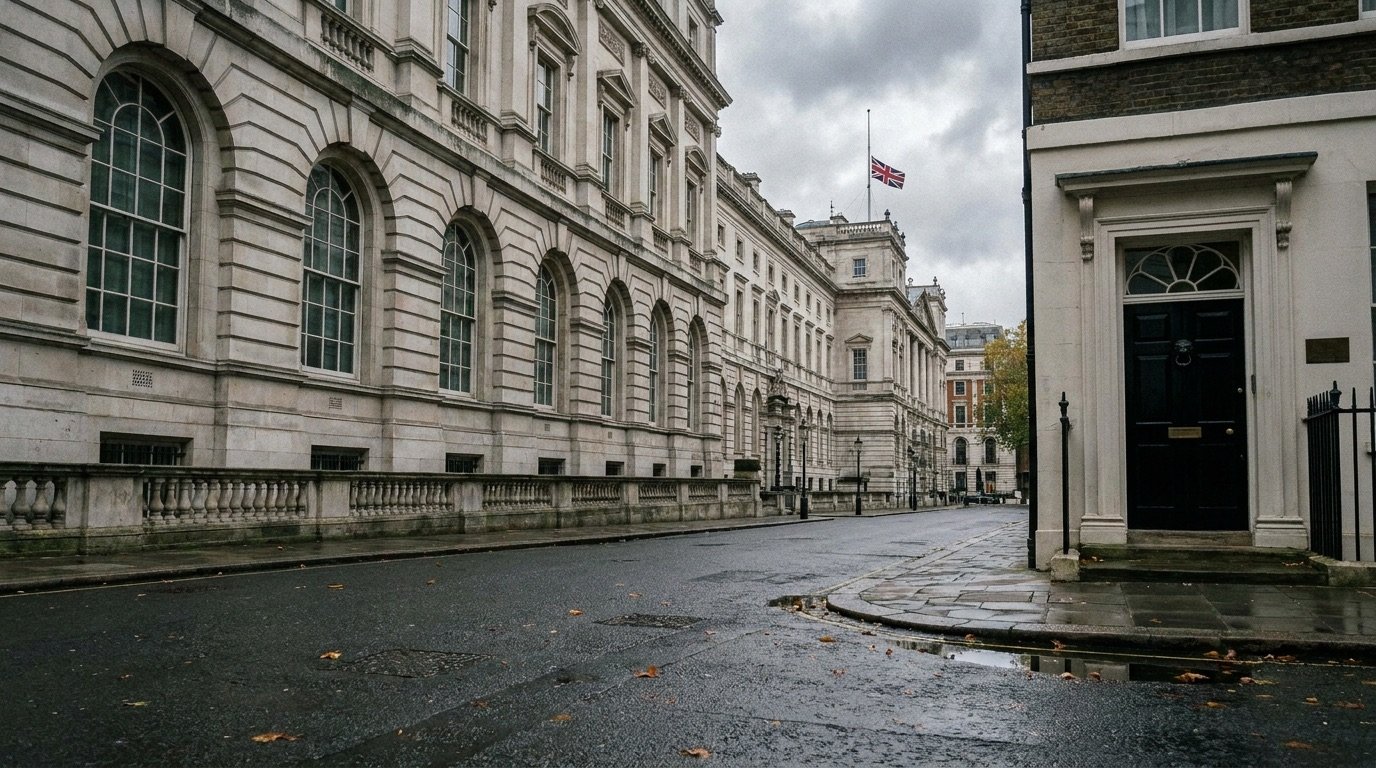
Britain woke on Monday to an unusual constitutional arrangement: a prime minister who has announced he is going, but who is not yet gone. Sir Keir Starmer confirmed he will resign as Labour leader and prime minister, yet told the country he intends to remain in Downing Street as a caretaker until his party chooses a successor. There is, for now, no formal acting prime minister and no handover of the keys to Number 10.
Sir Keir said he had informed King Charles III of his decision and would do everything he could to ensure an orderly transfer of power. Nominations to replace him as Labour leader, and therefore as prime minister, are due to open on 9 July and close on 16 July, when Parliament rises for the summer. If the contest is contested rather than coronated, a new leader is to be in place by 1 September.
That leaves a stretch of roughly ten weeks in which the machinery of government must keep turning under a leader the parliamentary party has already pushed out. How it does so is governed less by hard law than by convention, judgement and political nerve.
Why there is no 'acting' prime minister
The United Kingdom has no office of acting prime minister in the way some other countries do. When a sitting prime minister resigns the leadership of their party but their government retains the confidence of the Commons, the constitutional expectation is that they stay in post until a successor can be appointed by the monarch. Sir Keir therefore continues to chair Cabinet, answer questions in the Commons and carry the formal responsibilities of the office.
Constitutional experts point out that this is a different situation from a general election campaign. The 2011 Cabinet Manual sets out the circumstances in which a government is expected to restrict its activity, and a leadership contest within the governing party is not one of them. In principle, the government can continue to govern fully with the prime minister at its head until the contest concludes.
The unwritten restraints of a 'zombie' government
In practice, recent precedent has nudged outgoing administrations towards a lighter touch. Where a prime minister is on the way out, convention has developed that major and controversial decisions, especially those that would bind a successor, are best deferred. Critics call it a caretaker administration; opponents prefer the harsher label of a zombie government.
Officials insist the essential business of the state does not pause. Public services continue, security and defence decisions are taken as required, and the United Kingdom continues to honour its international obligations. What is more likely to slow is anything that looks like a deliberate attempt to set the agenda for the next leader.
“I have heard the answer of my parliamentary party to that question, and I accept that answer with good grace.”
Allies say Sir Keir is determined that his final weeks should be defined by stability rather than score-settling, and that an orderly transition is the best parting service he can offer the party.
Who actually holds the levers
Day to day, the burden falls on a small group around the prime minister and on the senior civil service. The Cabinet Secretary and the permanent secretaries running each department carry much of the continuity, ensuring decisions are taken and the United Kingdom's commitments are met regardless of the political weather above them.
- Sir Keir Starmer remains prime minister and Labour leader until a successor is chosen.
- There is no formal acting prime minister; the monarch appoints the new PM once the party elects a leader.
- Nominations open on 9 July and close on 16 July, with a new leader due by 1 September if contested.
- A leadership contest does not automatically trigger the Cabinet Manual's restrictions on government activity.
- Convention nonetheless suggests major, binding decisions will be deferred to the incoming leader.
Background
Sir Keir's position became untenable after Labour shed close to 1,500 council seats in May's local elections while Reform UK surged, and after a string of ministerial resignations culminating in the departure of the defence secretary over funding. Andy Burnham's victory in the Makerfield by-election on 18 June gave a credible challenger a route back into the Commons, and within days the prime minister accepted he could not lead the party into the next general election.
What happens next depends largely on how visibly Sir Keir chooses to govern. If he keeps to a minimalist caretaker role, the next ten weeks will be a holding pattern. If events force big decisions, on defence, the economy or a crisis abroad, a weakened prime minister will have to take them knowing his successor may swiftly unpick them.
Sources: reporting by Al Jazeera.
The NE Times is an independent news and analysis publisher. Our articles combine factual reporting with clearly-written, impartial analysis. Content is for general information and does not constitute professional advice. Disclaimer.
You may also like to read
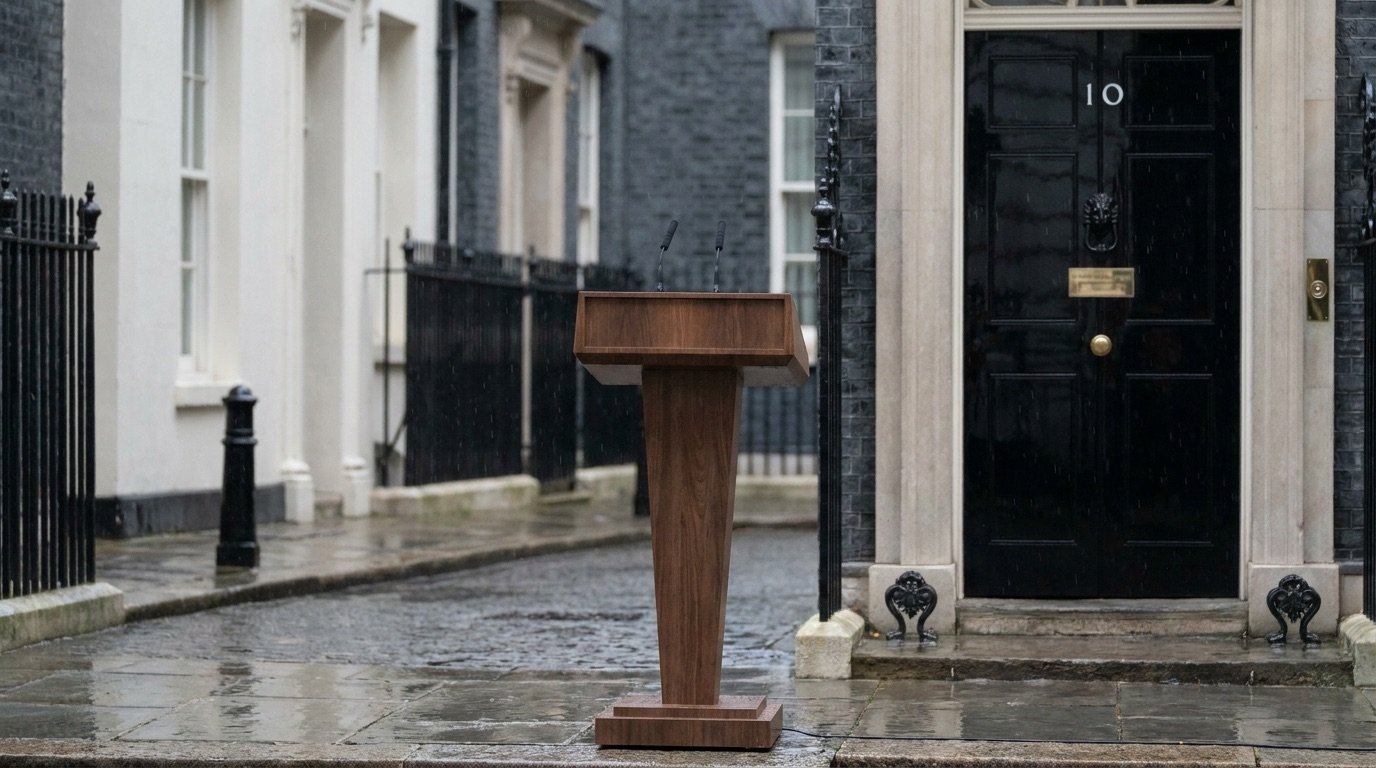
Sir Keir Starmer resigns as Prime Minister, triggering Labour leadership contest
The Prime Minister announced his departure outside Downing Street on Monday morning, ending a turbulent premiership and setting Britain on course for its seventh leader in a decade.

'With good grace': Starmer's resignation statement in full context
The outgoing Prime Minister's short address outside No 10 was reflective and unrepentant by turns, defending his record while accepting his party's verdict.
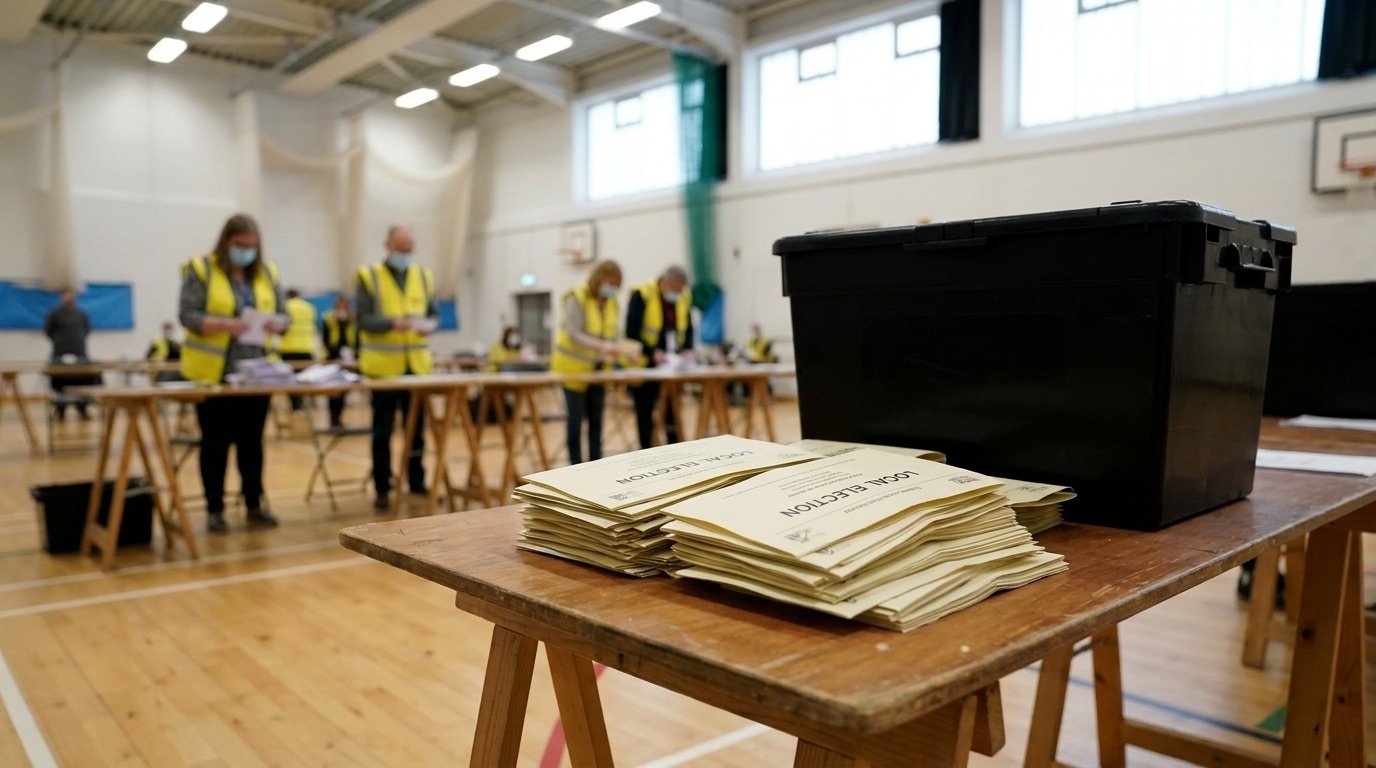
From landslide to lectern: what finally forced Starmer out
A historic election win curdled into open revolt as the local election rout, the rise of Reform UK and slumping approval ratings combined to end the Prime Minister's tenure.

Muted markets, mixed verdicts abroad as Starmer's exit confirmed
Sterling and gilts barely flinched after a change long anticipated by investors, while European leaders offered warm farewells, Donald Trump was dismissive and Moscow claimed credit.