Sir Keir Starmer resigns as Prime Minister, triggering Labour leadership contest
The Prime Minister announced his departure outside Downing Street on Monday morning, ending a turbulent premiership and setting Britain on course for its seventh leader in a decade.
Eleanor Whitfield
Writer ·
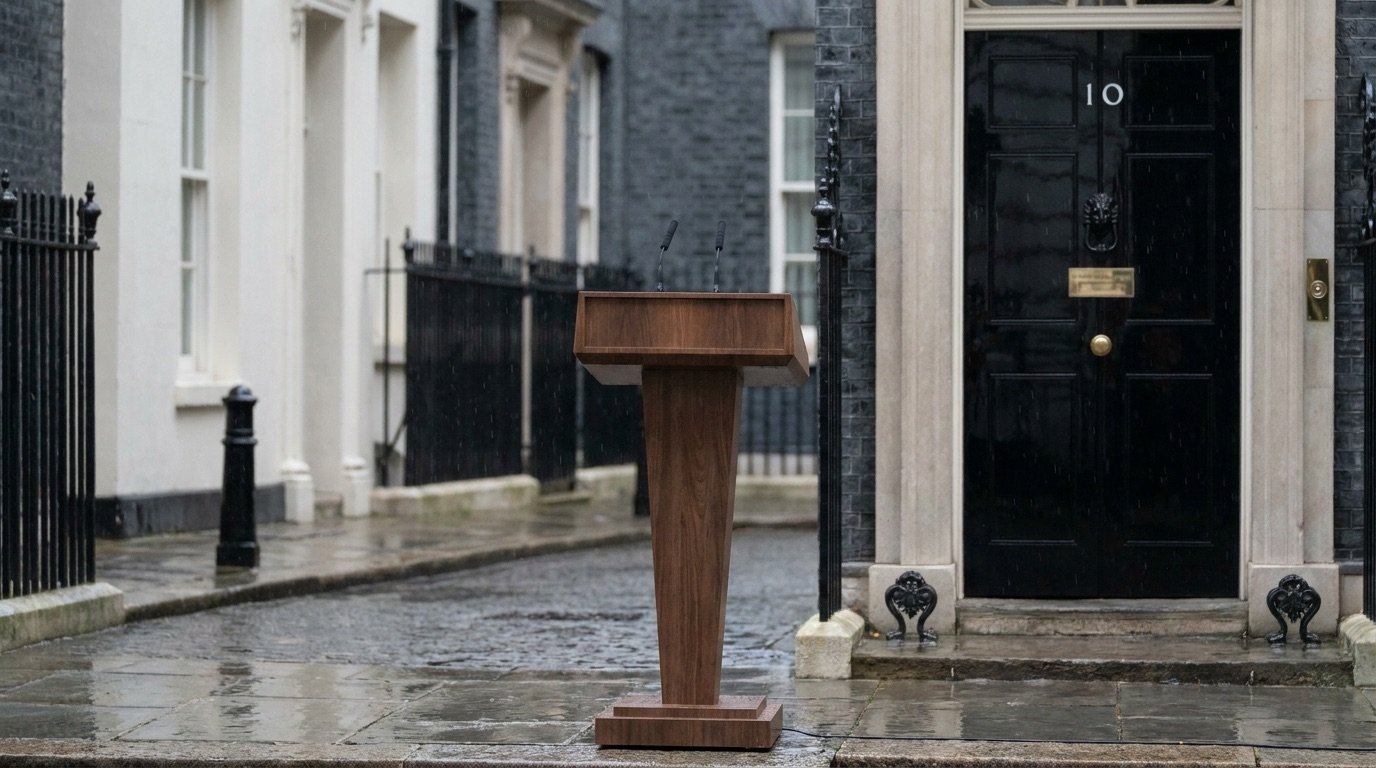
Sir Keir Starmer announced on Monday morning that he is resigning as Prime Minister, bowing to weeks of mounting pressure from his own MPs and cabinet ministers and setting in motion a Labour leadership contest that will determine who runs the country into the autumn. Speaking from a lectern outside 10 Downing Street, he said he had concluded that his party no longer believed he was the right person to lead it into the next general election.
The announcement makes Sir Keir the latest in a remarkable run of short-lived occupants of No 10, leaving the United Kingdom on course for its seventh prime minister in roughly a decade. He confirmed that he had spoken to King Charles III earlier in the day and that he would remain in office as a caretaker prime minister until his successor is chosen.
His departure draws a line under a premiership that began with a landslide Labour victory in 2024 but unravelled with extraordinary speed as the government struggled to convert its majority into a sense of tangible change for voters.
How the morning unfolded
The day had been heavy with speculation. Reports that Sir Keir was preparing to stand aside had circulated over the weekend, and by Monday morning Westminster had effectively concluded that an announcement was imminent. Camera crews and reporters gathered in Downing Street long before the Prime Minister emerged to deliver a short statement.
In his remarks he framed the decision as a judgement his party was entitled to make. "The question my party is asking now is whether I am best placed to lead us," he said, adding that he would accept the answer "with good grace." The tone was reflective rather than defiant, a contrast to the combative language he had used only days earlier when allies insisted he intended to fight on.
“The question my party is asking now is whether I am best placed to lead us, and I will accept that answer with good grace.”
What changes immediately, and what does not
Crucially, Sir Keir does not leave office at once. Under long-established convention he stays on as prime minister, leading a caretaker administration, until the Labour Party has selected a new leader who can then be invited by the King to form a government. The machinery of government continues to function, and ministers remain in post during the interregnum.
What changes is the political reality. The authority of a leader who has announced his own departure inevitably drains away, and the contest to succeed him now dominates Westminster. Attention has already turned to Andy Burnham, the Greater Manchester mayor who returned to the Commons last week after winning the Makerfield by-election, and who is the clear frontrunner to replace him.
- Sir Keir Starmer announced his resignation outside Downing Street on the morning of 22 June 2026.
- He informed King Charles III of his decision earlier that morning.
- He will stay on as caretaker prime minister until a new Labour leader is chosen.
- The change will make the UK its seventh prime minister in around ten years.
- Andy Burnham is the early frontrunner to succeed him.
Background
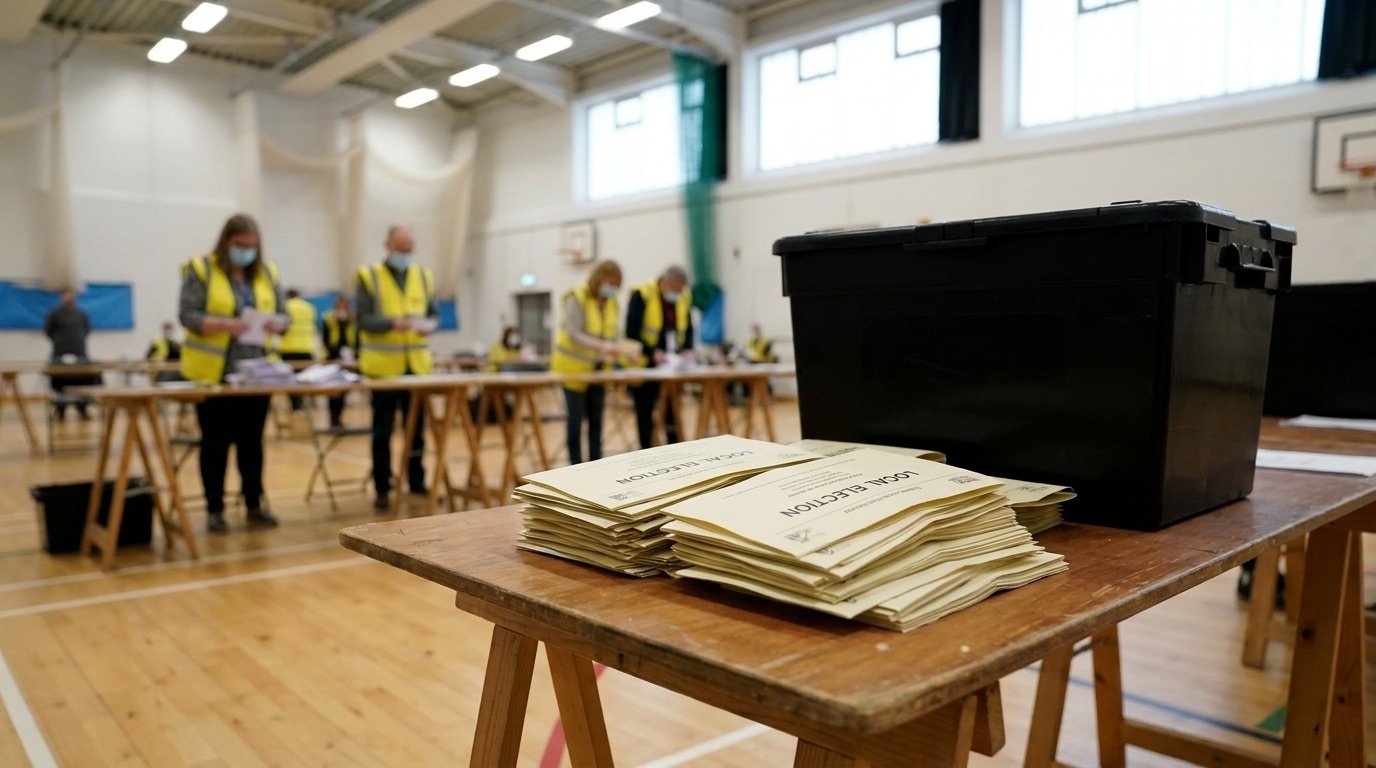
Sir Keir led Labour to a sweeping general election victory in July 2024, ending fourteen years of Conservative government. But his administration was quickly buffeted by difficult decisions on welfare, defence spending and immigration, and by the rapid rise of Nigel Farage's Reform UK. Heavy losses in the May 2026 local elections, when Labour shed close to 1,500 council seats, proved to be the catalyst for the open revolt that has now ended his tenure.
What happens next is a Labour leadership contest that will run through the summer, with the winner becoming prime minister. Until then, the country is governed by a caretaker administration, and the central question of British politics shifts from whether Sir Keir would go to who will replace him and what direction they will take the party.
Sources: reporting by Al Jazeera.
The NE Times is an independent news and analysis publisher. Our articles combine factual reporting with clearly-written, impartial analysis. Content is for general information and does not constitute professional advice. Disclaimer.
You may also like to read

'With good grace': Starmer's resignation statement in full context
The outgoing Prime Minister's short address outside No 10 was reflective and unrepentant by turns, defending his record while accepting his party's verdict.
From landslide to lectern: what finally forced Starmer out
A historic election win curdled into open revolt as the local election rout, the rise of Reform UK and slumping approval ratings combined to end the Prime Minister's tenure.

How Britain gets its next prime minister: the handover process explained
With Sir Keir staying on as caretaker, attention turns to the rules of the Labour leadership contest, the role of the King, and the timetable that will decide who enters No 10.

Makerfield goes to the polls in a by-election that could decide Starmer's future
Andy Burnham is seeking a return to the Commons on 18 June, and victory would clear his path to challenge the Prime Minister for the Labour leadership.