'With good grace': Starmer's resignation statement in full context
The outgoing Prime Minister's short address outside No 10 was reflective and unrepentant by turns, defending his record while accepting his party's verdict.
Eleanor Whitfield
Writer ·

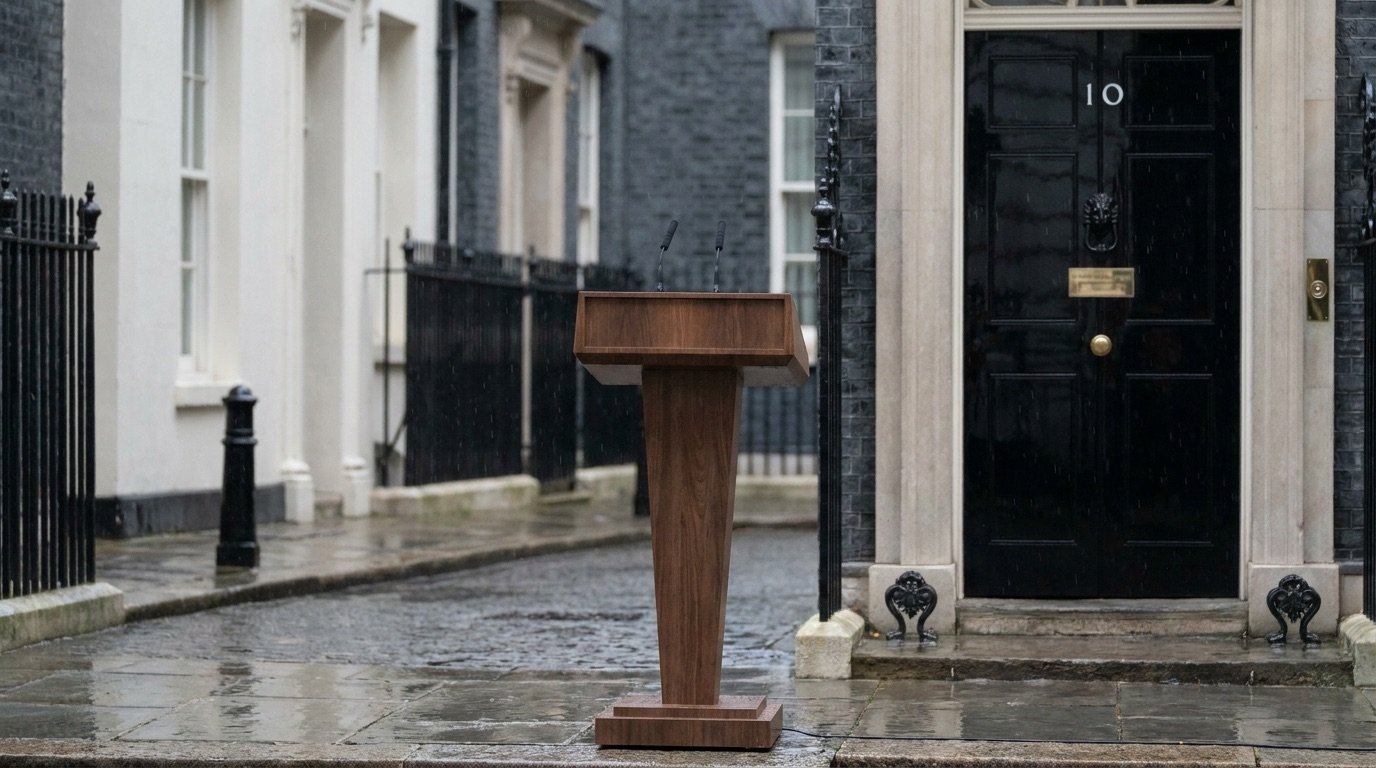
Sir Keir Starmer's resignation statement, delivered from a lectern outside 10 Downing Street on Monday morning, lasted only a few minutes but will be studied closely as the epitaph of a premiership that promised stability and delivered turmoil. It was a carefully judged performance: part defence of his record, part acceptance of political defeat.
The defining phrase was his pledge to accept his party's verdict "with good grace." It was an attempt to leave with dignity rather than be forced out in open conflict, and to frame his departure as a decision taken in the interests of the Labour Party rather than one imposed upon him.
The argument he made
At the heart of the statement was an acknowledgement that the question now facing Labour was whether he remained the right leader to take it forward. By posing it as a question for the party, Sir Keir cast himself as a servant of the movement bowing to its collective judgement, rather than a leader clinging on until the end.
He confirmed that he had spoken to King Charles III that morning to inform him of his intentions, and that he would continue as prime minister until a successor had been chosen. The constitutional formalities were dispatched briskly, a signal that the orderly transfer of power, not personal grievance, was the message he wanted to project.
“I will remain as prime minister until my successor is chosen, and I will do everything I can to ensure an orderly handover.”
What he chose not to dwell on
Notably, the statement did not linger on the specific events that had brought him to this point: the ministerial resignations, the backbench demands for a timetable, or the by-election that handed his most likely successor a platform in the Commons. Instead Sir Keir spoke in broader terms about service and the privilege of leading the country.
Allies said afterwards that he had wanted to avoid recrimination and to give his successor the cleanest possible start. Critics noted that the address skated over the policy failures and strategic missteps that his own MPs blame for Labour's collapse in the polls.
- The statement was delivered outside 10 Downing Street on the morning of 22 June 2026.
- Sir Keir said he would accept his party's verdict 'with good grace'.
- He confirmed he had informed King Charles III of his decision.
- He pledged to remain as caretaker prime minister to ensure an orderly handover.
- The address defended his record but avoided naming the specific triggers for his fall.
Background
Resignation statements outside Downing Street have become a recurring feature of British political life, from David Cameron in 2016 to Theresa May, Boris Johnson, Liz Truss and Rishi Sunak. Each has sought to shape the first draft of history in a few sentences. Sir Keir's contribution leaned on the language of grace and duty, themes intended to soften an otherwise stark fall from a landslide majority to forced departure in under two years.
What happens next is that the words will be parsed for clues about his future and his loyalties in the leadership contest now under way. For all the talk of good grace, the most consequential line was the simplest: that he intends to remain in office only until his party has decided who comes after him.
Sources: reporting by NPR.
The NE Times is an independent news and analysis publisher. Our articles combine factual reporting with clearly-written, impartial analysis. Content is for general information and does not constitute professional advice. Disclaimer.
You may also like to read
Sir Keir Starmer resigns as Prime Minister, triggering Labour leadership contest
The Prime Minister announced his departure outside Downing Street on Monday morning, ending a turbulent premiership and setting Britain on course for its seventh leader in a decade.
From landslide to lectern: what finally forced Starmer out
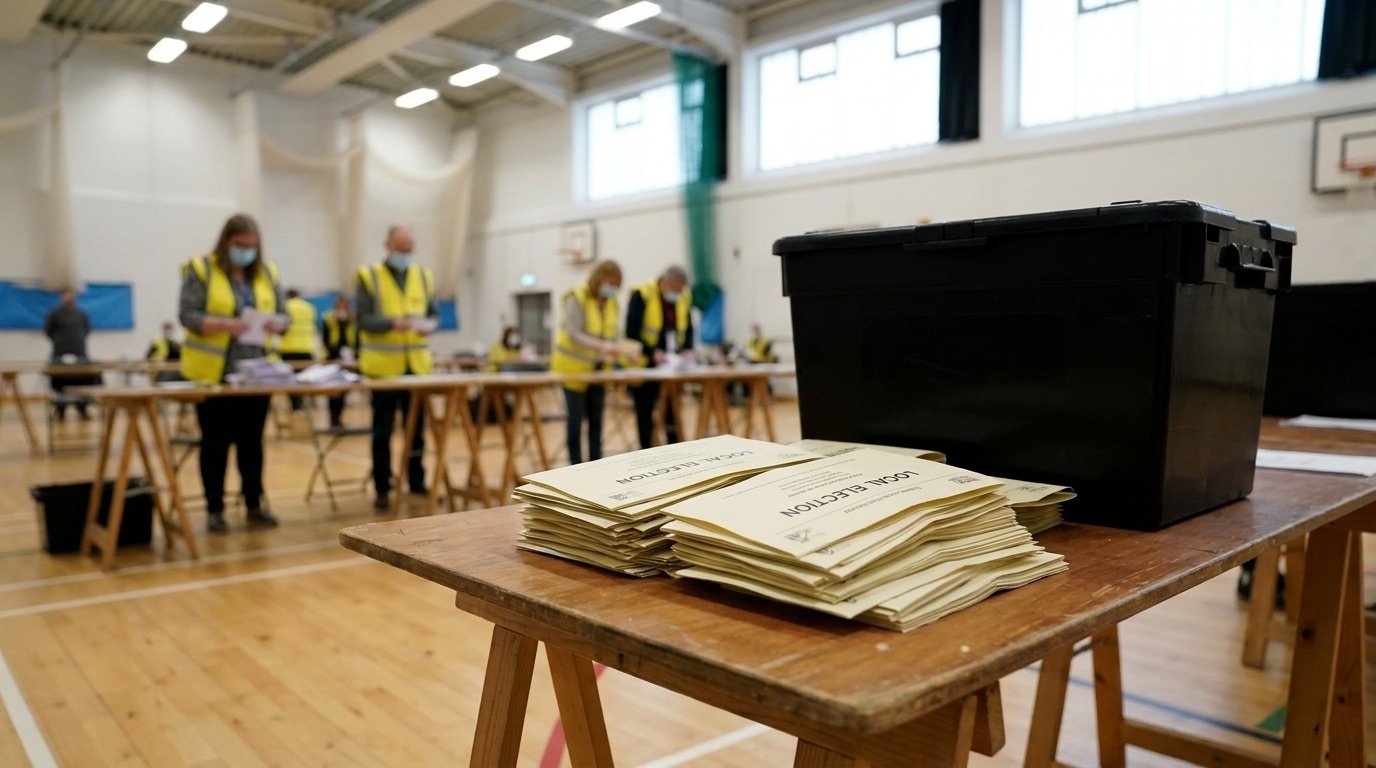
A historic election win curdled into open revolt as the local election rout, the rise of Reform UK and slumping approval ratings combined to end the Prime Minister's tenure.

Makerfield goes to the polls in a by-election that could decide Starmer's future
Andy Burnham is seeking a return to the Commons on 18 June, and victory would clear his path to challenge the Prime Minister for the Labour leadership.

Labour leadership crisis deepens as ministers turn on Starmer
Wes Streeting's resignation has become the focal point of a widening revolt, with dozens of MPs urging the Prime Minister to set a departure date.