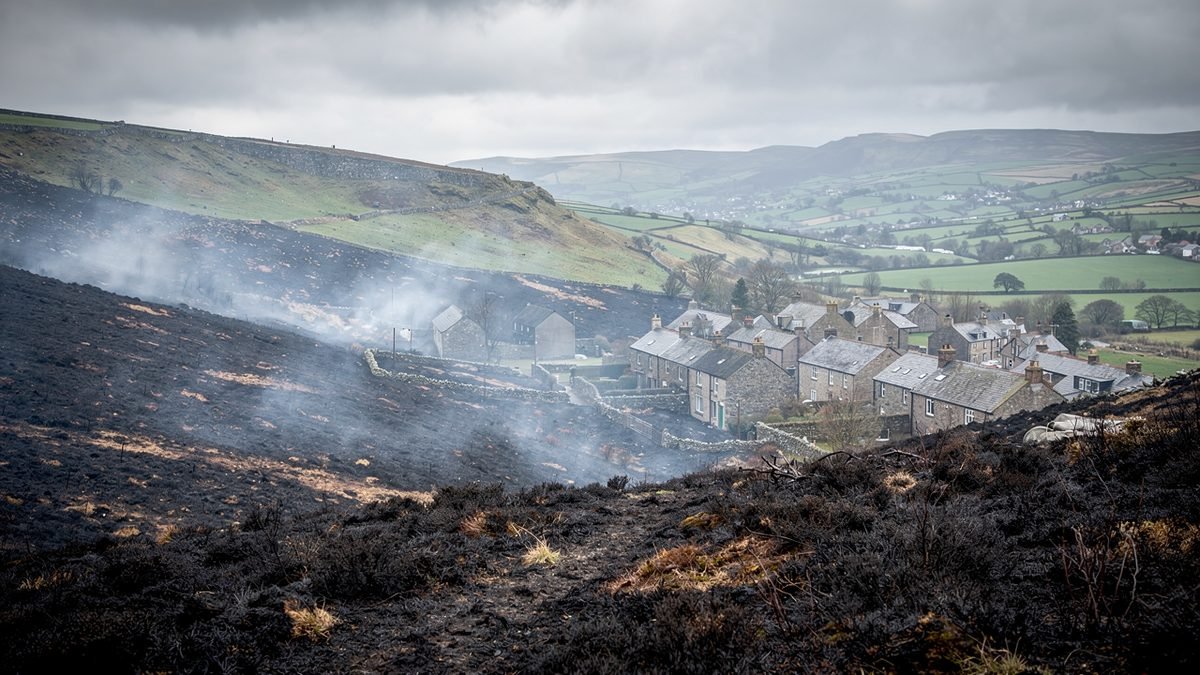
CrossCountry Power Cut Shuts Almost Every Route Before Monday Recovery
A power failure at CrossCountry's Birmingham control centre stripped almost every route from Sunday's timetable, with a full service promised for Monday.
UK News & Politics Editor ·
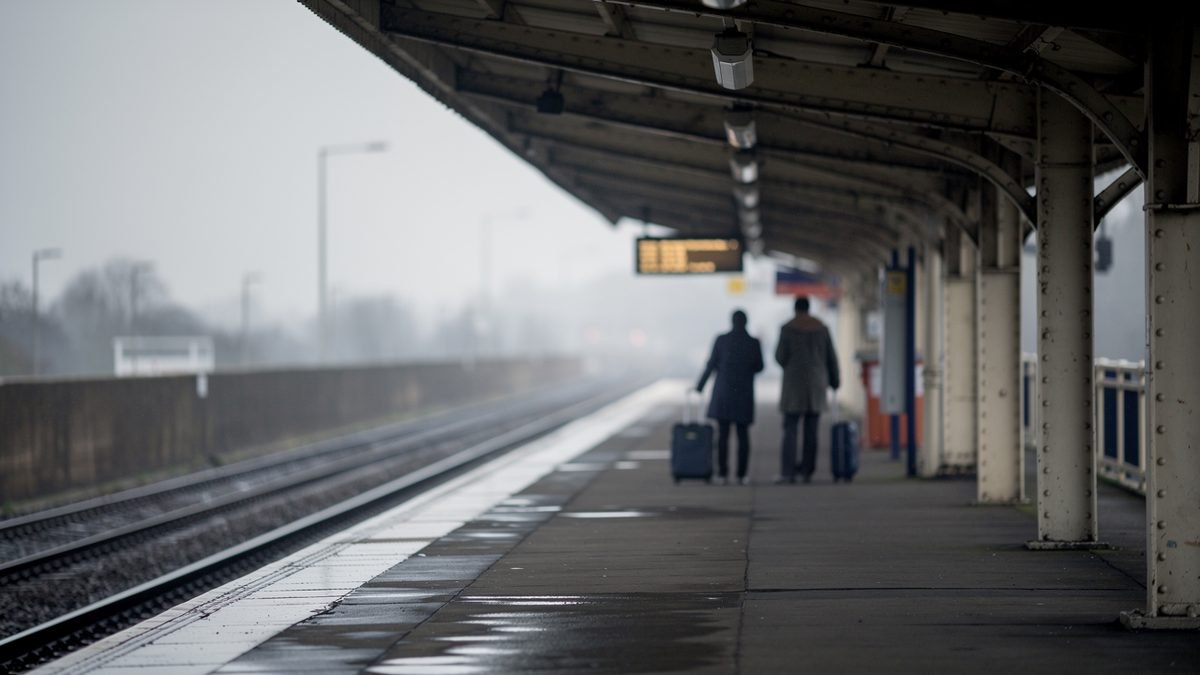
Why it's trending
A single building losing power removed most of a national long-distance operator from the timetable on a summer Sunday, and the RMT has now called for a review of railway control-centre resilience.
A single power failure at a Birmingham control centre was enough to silence most of one of Britain’s longest-distance rail networks for a day.
If you tried to cross Britain on Sunday, one office building in Birmingham may have dictated your journey. The CrossCountry power cut knocked out systems used to manage trains and forced almost every route off the timetable. By Monday, the test had shifted from emergency improvisation to whether the operator could restore confidence as quickly as it restored power.
At a glance
- CrossCountry — a Birmingham city-centre power cut affected its control centre and left key railway-management systems unavailable.
- CrossCountry — almost all routes were withdrawn on Sunday 23 August, with a near-normal service retained between Peterborough, Cambridge and Stansted Airport.
- CrossCountry — a very limited service restarted from around 6pm on Sunday, mainly towards Leicester and Derby, ahead of a planned full Monday timetable.
- The Guardian — affected flows included Glasgow-Edinburgh, Manchester-Birmingham, Cheltenham-Cardiff and Newcastle-Edinburgh, while Chiltern and LNER accepted tickets.
- CrossCountry — passengers delayed by 30 minutes or more may claim Delay Repay, and customers who chose not to travel can seek a refund.
- The outage began on Saturday 22 August and crippled the systems used by CrossCountry’s Birmingham control team.
- Most of the operator’s long-distance network was effectively removed from the timetable on Sunday.
- Alternative operators accepted CrossCountry tickets and some extra services were added to absorb demand.
- CrossCountry says trains are running again on Monday, although passengers should still check before travelling.
Why did the CrossCountry power cut stop so many trains?
CrossCountry does not need a broken rail or failed signal on every route to suffer a nationwide shutdown. Its Birmingham control centre coordinates train movements, crew decisions, disruption plans and passenger information across a network stretching from Scotland to the South West and from Cardiff to Stansted. CrossCountry said the building lost power on Saturday 22 August and that many of the systems its controllers use became unavailable. Alternative processes were possible, but not at the scale needed to run the normal timetable safely. That is why the failure translated into cancellations hundreds of miles from Birmingham.
Which journeys were hit hardest?
The geography made the disruption unusually visible. The Guardian listed Glasgow to Edinburgh, Manchester to Birmingham, Cheltenham to Cardiff and Newcastle to Edinburgh among the affected links, while ITV News Central reported cancellations across almost all CrossCountry routes. The exception was the Peterborough-Cambridge-Stansted Airport corridor, where a near-normal service remained possible. CrossCountry began putting a very small number of trains back into service from about 6pm on Sunday, primarily towards Leicester and Derby, once most facilities had been reinstated.
How did other operators keep passengers moving?
The railway’s fallback was cooperation rather than replacement. Chiltern Railways added services between Birmingham Moor Street and Oxford and accepted CrossCountry tickets via reasonable routes. LNER also accepted tickets and adjusted some services to help displaced passengers. Similar acceptance arrangements spread across much of the network. That mattered because CrossCountry often provides direct links that passengers can recreate only by changing operators and stations. The result was not a substitute timetable, but it prevented the control-centre failure from becoming a complete loss of mobility.
What does the outage say about control-centre resilience?
The uncomfortable lesson is that digital concentration creates operational concentration. A national rail operator can have trains, drivers and usable tracks in place yet still be unable to run them normally if the systems that coordinate the network disappear. The incident follows wider concern about the resilience of railway operational control, and the RMT has called for a deeper review after recent power failures. It also lands in a summer when other critical operators have been tested: a small UK power generator was shut for four days in July in an attack later attributed to Iran-linked hackers, though officials said the wider energy system was never at risk. The relevant question is not whether every control centre can be made failure-proof; it is whether backup power, mirrored systems and alternative control processes can keep a safe skeleton service running when one site fails.
What compensation can passengers claim?
CrossCountry says Delay Repay applies when a journey is delayed by 30 minutes or more, regardless of cause. Its published terms provide 50 per cent of the affected single fare for delays of 30 to 59 minutes, rising for longer delays. Passengers who abandoned Sunday travel can claim a refund from the original retailer, while tickets bought for Sunday were given extra flexibility. Those remedies do not erase missed events or broken connections, but they turn a chaotic day into a measurable customer-service obligation rather than a discretionary gesture.
What happens next
CrossCountry said a full service would operate on Monday 24 August and Railnews reported trains running again after the outage. Passengers should still check live journey information because routine cancellations can occur independently of the weekend failure. The longer-term issue belongs to the operator, Network Rail and government: explain exactly how one power cut disabled so much control capability, then show what redundancy will prevent the same pattern next time. The network is moving again; the resilience question remains open.
Sources & verification
- CrossCountry — primary reporting and official updates
- Reporting reviewed on 24 August 2026; figures as published at that time
Filed under UK News · Written by Eleanor Whitfield