Delta firework incident turns celebration risk into an aviation safety question
A Delta A319 crew reported a firework exploding nearby at low altitude on approach to Chicago Midway on July 4. The FAA is investigating the near miss.
Marcus Reeve
Writer ·
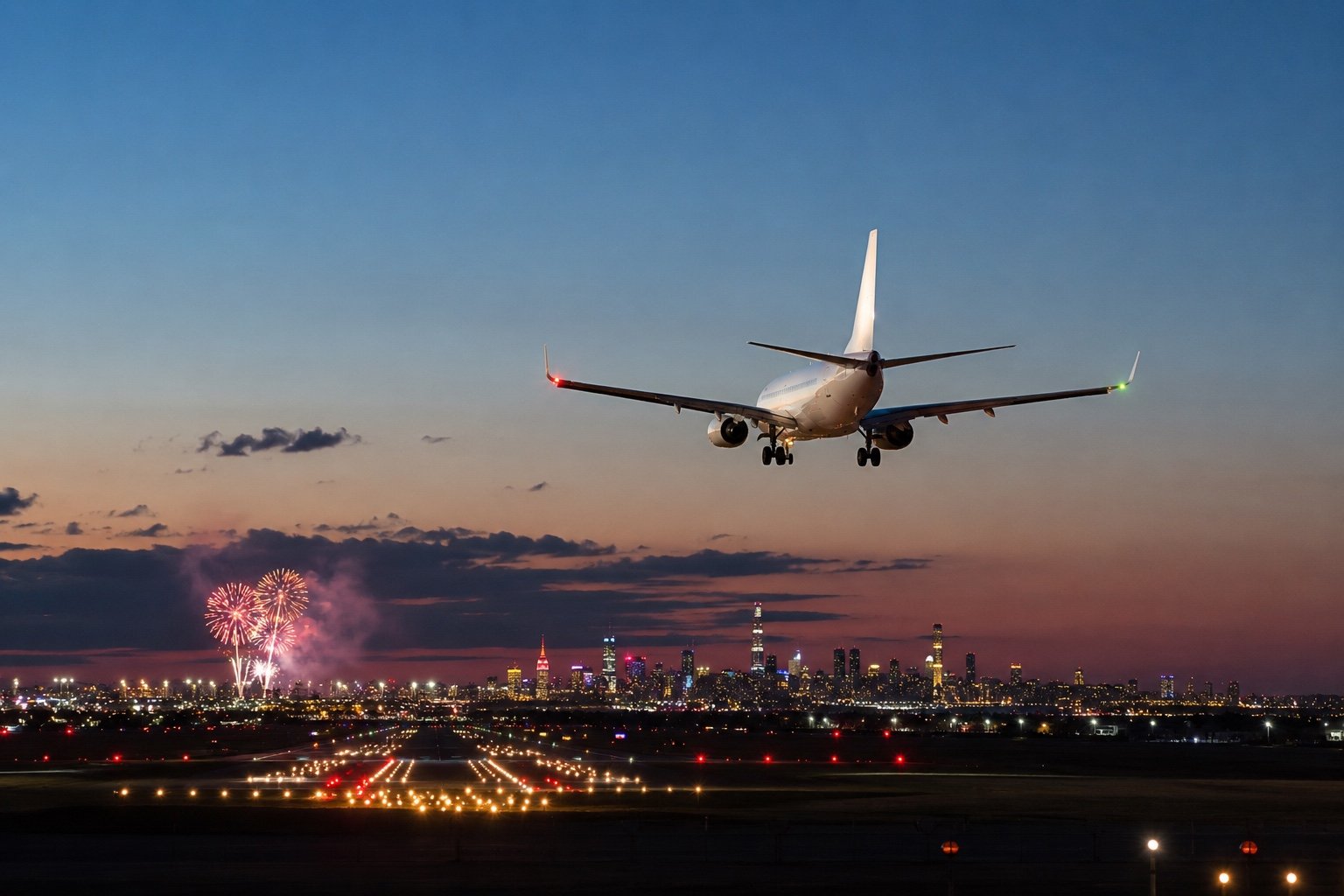
The facts are reassuring and unsettling at once. A Delta Air Lines flight landed safely in Chicago on July 4 after its crew reported what sounded like a firework exploding close to the aircraft during descent. Nobody was hurt and no damage was found — which is exactly why the incident deserves attention now, before a similar event ends differently.
What happened
The Associated Press reported that Delta Flight 1076, an Airbus A319 from Atlanta to Chicago Midway with 52 passengers and six crew, was on approach when the crew reported the encounter — described in reports carried by People and WABE as a loud bang or possible contact with a mortar-type firework at roughly 200 to 250 feet. The aircraft landed at about 8.30pm, taxied to the gate and was inspected; Delta said mechanics found no damage. The Federal Aviation Administration is investigating, and AP reported that an air traffic controller mentioned receiving multiple similar reports that evening.
Why it matters
Final approach is the phase of flight with the narrowest margin for distraction: the aircraft is low, slow and configured to land. Aviation safety works by examining near misses before they become disasters, and a pyrotechnic device reaching the height of a commercial jet on approach belongs firmly in that category. If multiple crews reported similar hazards, the story stops being one startling bang and becomes a question of whether holiday enforcement around approach paths is adequate. People who launch fireworks near airports may not think of themselves as interacting with aviation at all — but in practical terms, they are.
The bigger picture
The incident lands amid a wider rethink of fireworks themselves. Axios reported that several Chicago suburbs added drone shows this year, driven by fire risk, air quality and safety concerns. That debate is usually framed around what happens on the ground; a reported aircraft encounter adds a vertical dimension. None of this argues against public celebration — it argues that celebration planning must respect the infrastructure around it, because approach paths cross the same neighbourhoods that light up on holiday evenings.
What happens next
The best outcome from the FAA investigation is clarity rather than alarm: confirmation if the event was isolated, or adjusted enforcement before the next major holiday if it was not. For airlines the response will likely be procedural — prompt hazard reporting, holiday coordination reviews. The system's layers of prevention worked this time. The point of investigating a safe landing is to make sure that keeps being true.
Sources: reporting by Associated Press.
The NE Times is an independent news and analysis publisher. Our articles combine factual reporting with clearly-written, impartial analysis. Content is for general information and does not constitute professional advice. Disclaimer.
You may also like to read
The Brooklyn Bridge Fire Shows What Civic Spectacle Really Depends On
A fireworks malfunction set the Brooklyn Bridge alight during America's 250th Independence Day show — a test of the invisible systems behind celebration.

Disney's 24-hour July 4 plan shows how TV packages national spectacle
Disney spent over a year building 24 hours of ABC coverage for America's 250th anniversary — a case study in how legacy media engineers shared moments.
When Confidentiality Feels Like a Gag: Australia's Parliamentary Watchdog Under Scrutiny
A staffer's account of jail-threat confidentiality warnings puts Australia's parliamentary complaints body — and workplace reform everywhere — to the test.
At Mount Vernon, America's 250th birthday became a citizenship story
150 people from 50 countries took the oath of US citizenship at George Washington's estate on 4 July — giving the semiquincentennial a human scale.