Disney's 24-hour July 4 plan shows how TV packages national spectacle
Disney spent over a year building 24 hours of ABC coverage for America's 250th anniversary — a case study in how legacy media engineers shared moments.
Sophie Bennett
Writer ·
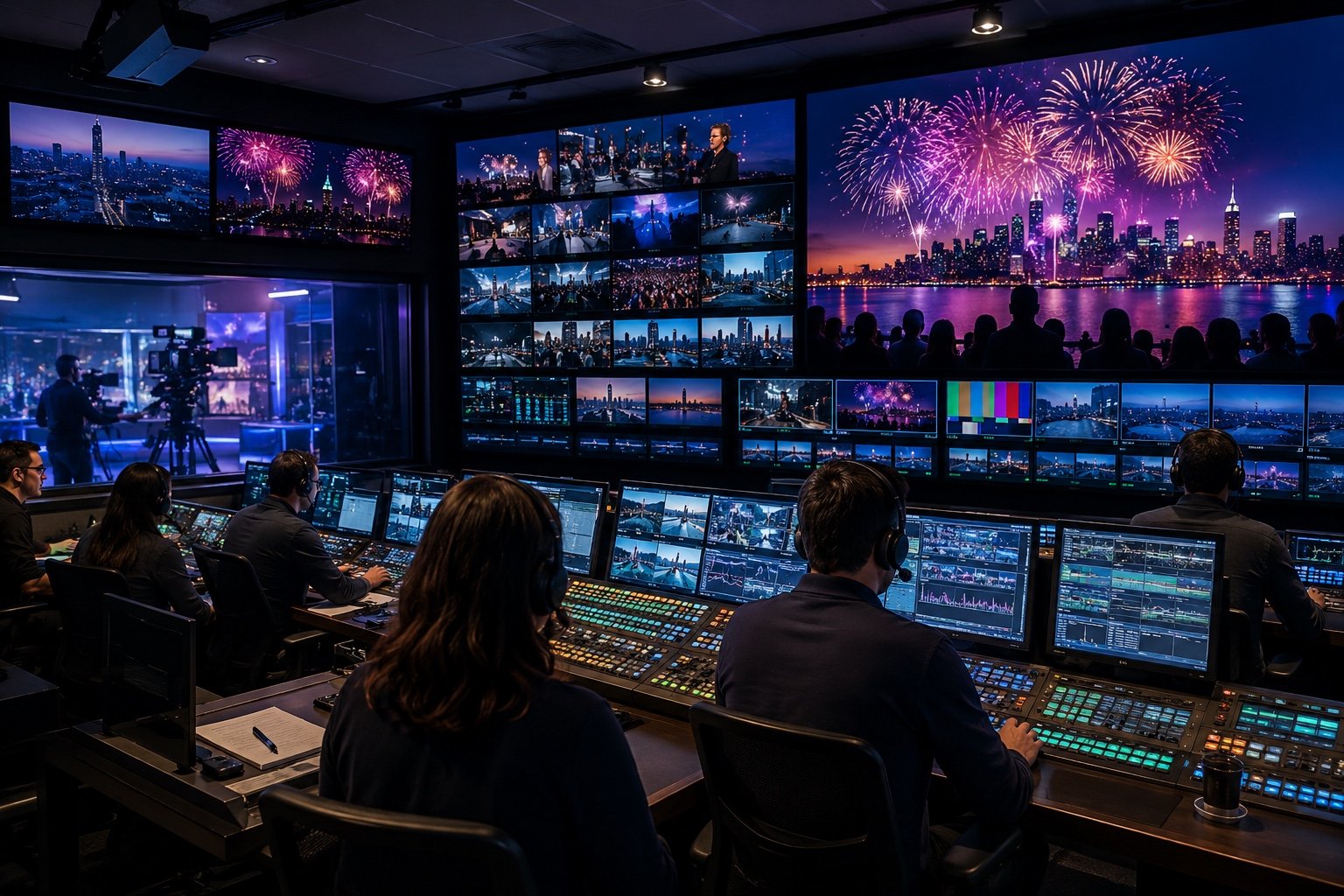
The old model for a holiday special was simple: cameras at a city event, a host at a desk, fireworks, sign-off. Disney's plan for the United States' 250th anniversary shows how far that model has travelled — and why a single day of celebratory television now takes more than a year to build.
What happened
Variety reported that Disney spent over a year developing a 24-hour approach to July 4 coverage across ABC News and related platforms, with David Muir among the network figures leading it. The semiquincentennial supplied the occasion, but the production challenge was broader: creating a shared live moment for an audience scattered across broadcast feeds, streaming apps, clips and mobile alerts. The modern equivalent of the holiday special is a rolling newsroom, a live concert package and a streaming hub operating simultaneously.
Why it matters
Live events are one of the few formats that can still gather broad attention at the same moment — the same scarcity that sustains sport and awards shows. Even viewers who dip in and out know the event is happening in real time, and that awareness is precisely what a media group can no longer buy with library content. For Disney it was also a brand exercise: ABC News supplies journalistic credibility, entertainment divisions supply polish, streaming extends reach, and every segment can be repackaged for a different screen.
Context intruded, as it always does. AP's July 4 reporting noted extreme heat disrupting celebrations in places, while other stories — from Taylor Swift and Travis Kelce's wedding to economic news — competed for attention. National spectacles are not staged in a vacuum; they are staged inside a live news cycle that can shift under them.
The bigger picture
The deeper lesson is that scale no longer guarantees attention. A network can put cameras everywhere and still lose viewers if the event feels generic. The craft lies in editorial selection — which city, which performance, how much history before celebration becomes lecture — and in keeping enough genuine reporting in the mix that the day feels connected to the real world rather than a promotional reel. Rival networks are already thinking the same way: NBC is folding the America 250 moment into its 2028 Olympics and centenary promotion.
What happens next
Expect the semiquincentennial playbook to become the template for event television: year-long lead times, news divisions embedded in entertainment coverage, and simultaneity sold as the product itself. The broadcasts that endure will be those that pair spectacle with editorial discipline — because fireworks attract an audience, but structure is what keeps one.
Sources: reporting by Variety.
The NE Times is an independent news and analysis publisher. Our articles combine factual reporting with clearly-written, impartial analysis. Content is for general information and does not constitute professional advice. Disclaimer.
You may also like to read
Toy Story 5 roars to a record $312m global opening — the biggest debut of 2026
Pixar's long-awaited fifth instalment took an estimated $160m in North America and $312m worldwide, the franchise's strongest-ever launch and the year's biggest opening so far.
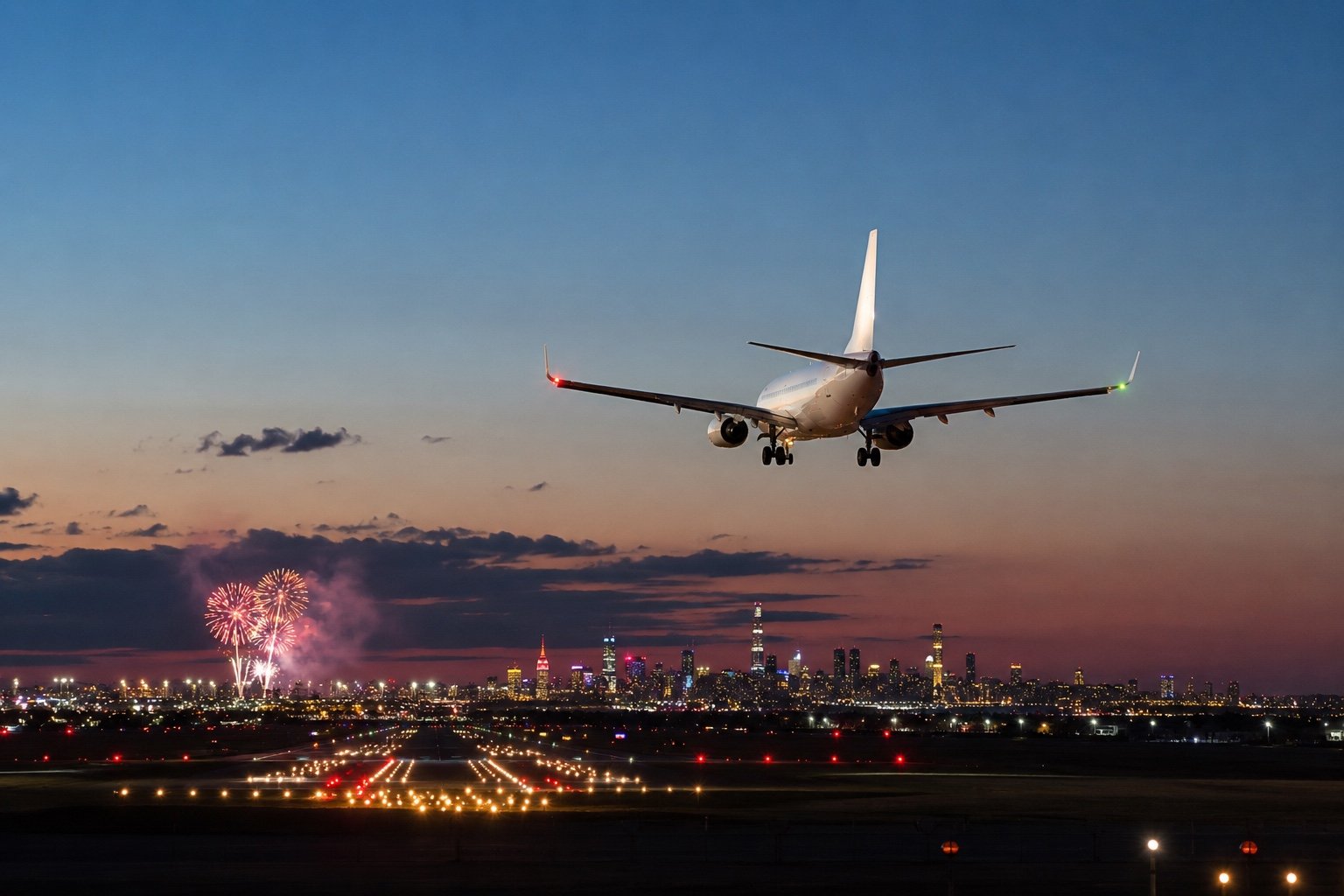
Delta firework incident turns celebration risk into an aviation safety question
A Delta A319 crew reported a firework exploding nearby at low altitude on approach to Chicago Midway on July 4. The FAA is investigating the near miss.
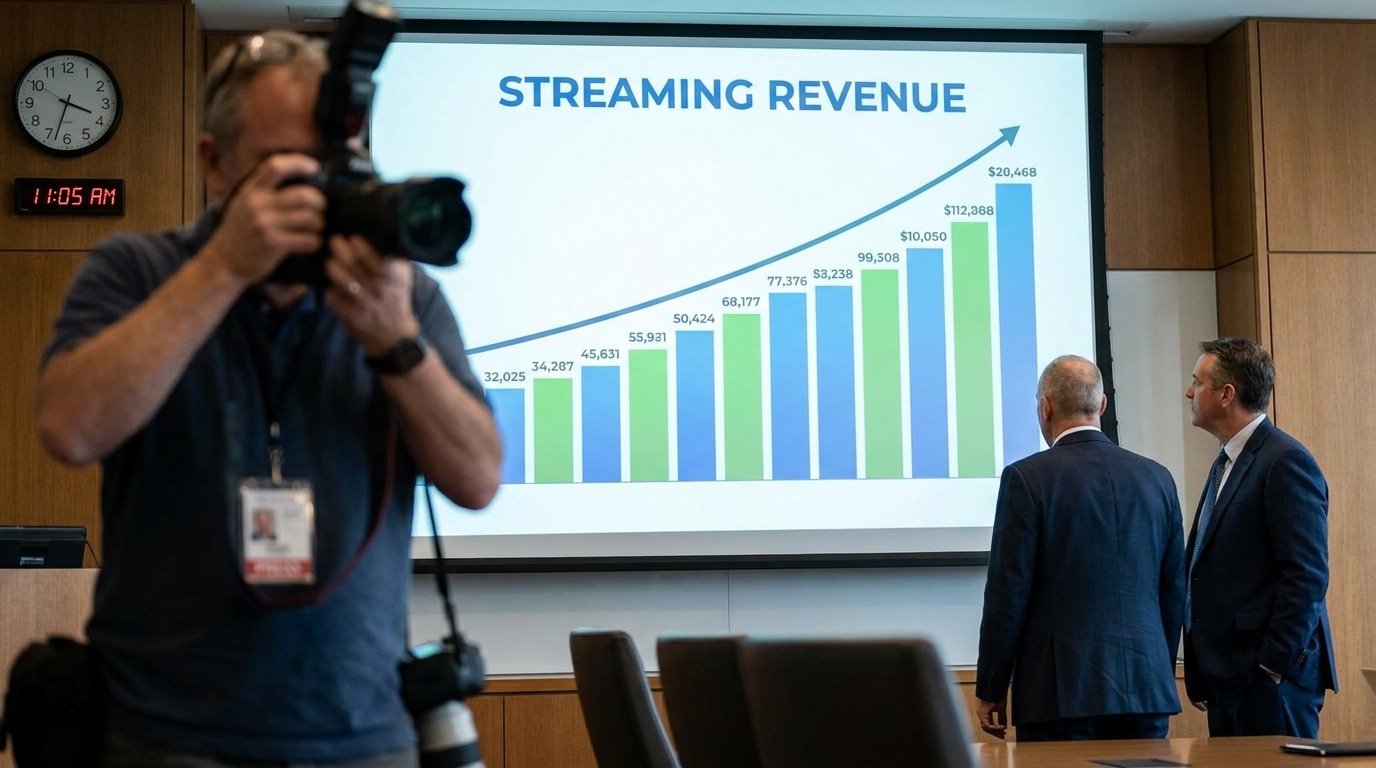
Disney streaming swings to double-digit margins as D'Amaro era opens
The first quarterly results under chief executive Josh D'Amaro showed direct-to-consumer operating income up 88 per cent, with the company guiding to accelerating growth in the second half.
Swift and Kelce Marry at Madison Square Garden — and Redraw the Map of Celebrity News
Taylor Swift and Travis Kelce's Madison Square Garden wedding, officiated by Adam Sandler, shows how pop, sport and fandom now share one attention economy.