The Brooklyn Bridge Fire Shows What Civic Spectacle Really Depends On
A fireworks malfunction set the Brooklyn Bridge alight during America's 250th Independence Day show — a test of the invisible systems behind celebration.
Marcus Reeve
Writer ·
What happened
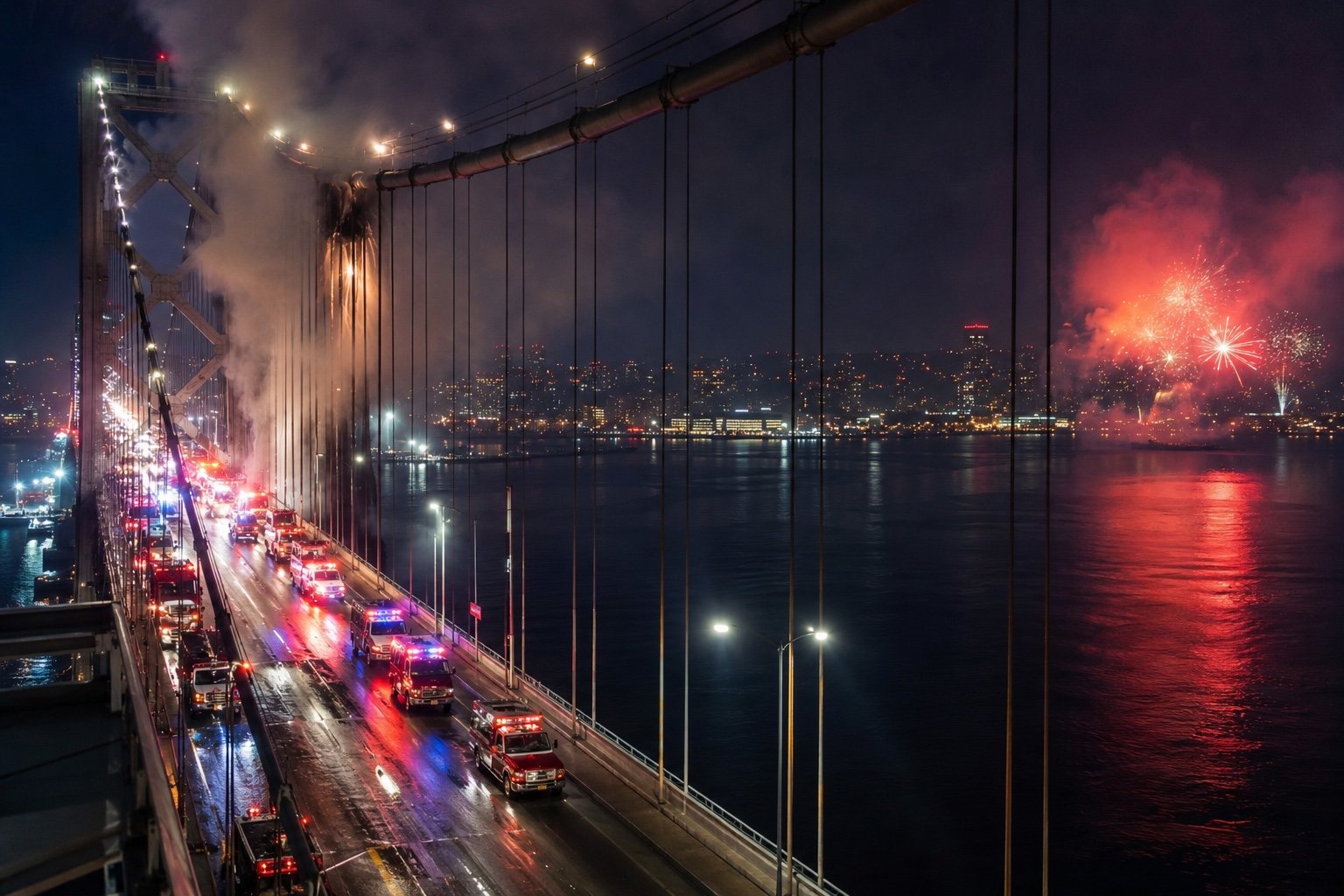
Fire crews extinguished a blaze on the Brooklyn Bridge after duelling fireworks displays over the Hudson and East Rivers malfunctioned during New York City's celebration of the United States' 250th Independence Day, the Associated Press reported. AP images placed the incident on the night of Saturday 4 July, with emergency response following swiftly. The essential fact is that the fire was put out — but a fire on one of the world's most recognisable civic symbols, during a landmark national anniversary, invites more than a one-line update.
Why it matters
Public spectacles are engineered moments of controlled risk. Fireworks, bridges, crowds, river traffic, wind, pyrotechnic timing and broadcast expectations all have to align, and when something malfunctions the audience briefly sees the machinery that planning is meant to keep invisible. A bridge raises the stakes further: it is simultaneously a route, a landmark, a viewing platform and a backdrop, and people intuitively understand that bridges are complex systems. Even a limited blaze triggers immediate questions about evacuation, structural safety and the spectators nearby — and in an era when video spreads faster than official statements, the window for accurate communication has never been narrower.
The bigger picture
The anniversary context matters. Cities scale up ceremonial events for landmark dates, and duelling displays over two rivers make a dramatic statement at the cost of added complexity in launch zones and coordination. A measured response avoids two easy mistakes: sensationalism, which treats every visible flame as catastrophe, and complacency, which assumes an extinguished fire needs no further questions. The useful questions are procedural — what malfunctioned, whether perimeters were adequate, whether crews had clear access, whether spectators were informed quickly. And the speed of the response is itself part of the story: emergency capability is built into event design precisely because risk can never be reduced to zero.
What happens next
The most important work now is the quiet, technical review that follows every serious incident — the kind that makes the next gathering safer. Cities will not stop turning public space into temporary theatre, nor should they; bridges, parades and fireworks are how urban life celebrates itself. The question is whether each event teaches organisers something specific enough to improve the one after. When the smoke clears from America's 250th birthday, that review, not the flames, will be the lasting legacy.
Sources: reporting by Associated Press.
The NE Times is an independent news and analysis publisher. Our articles combine factual reporting with clearly-written, impartial analysis. Content is for general information and does not constitute professional advice. Disclaimer.
You may also like to read
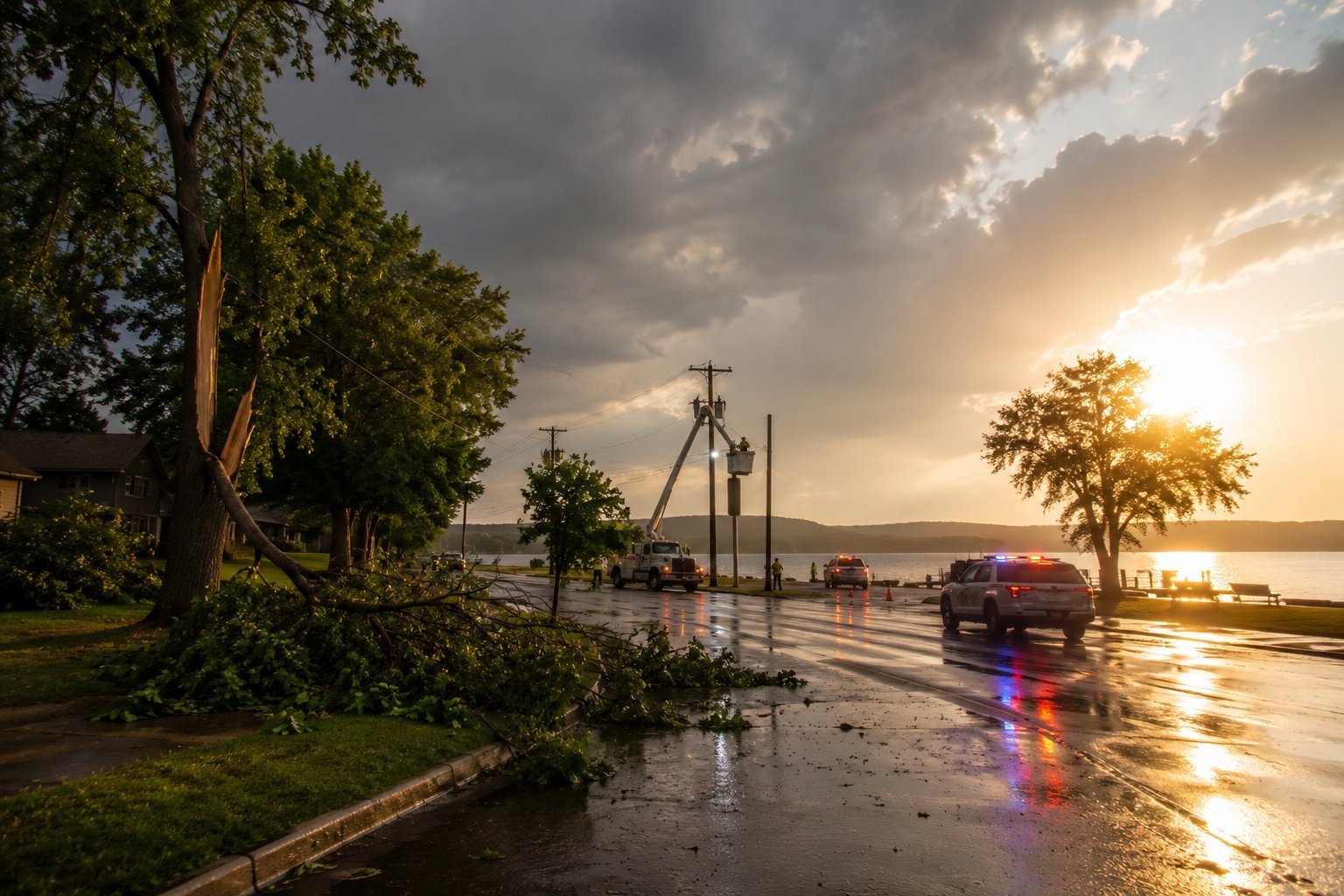
America's holiday weekend showed how summer risks now compound
Three children died when a storm capsized a boat on Geneva Lake, and nearly a million lost power as heat returned — a case study in overlapping summer hazards.
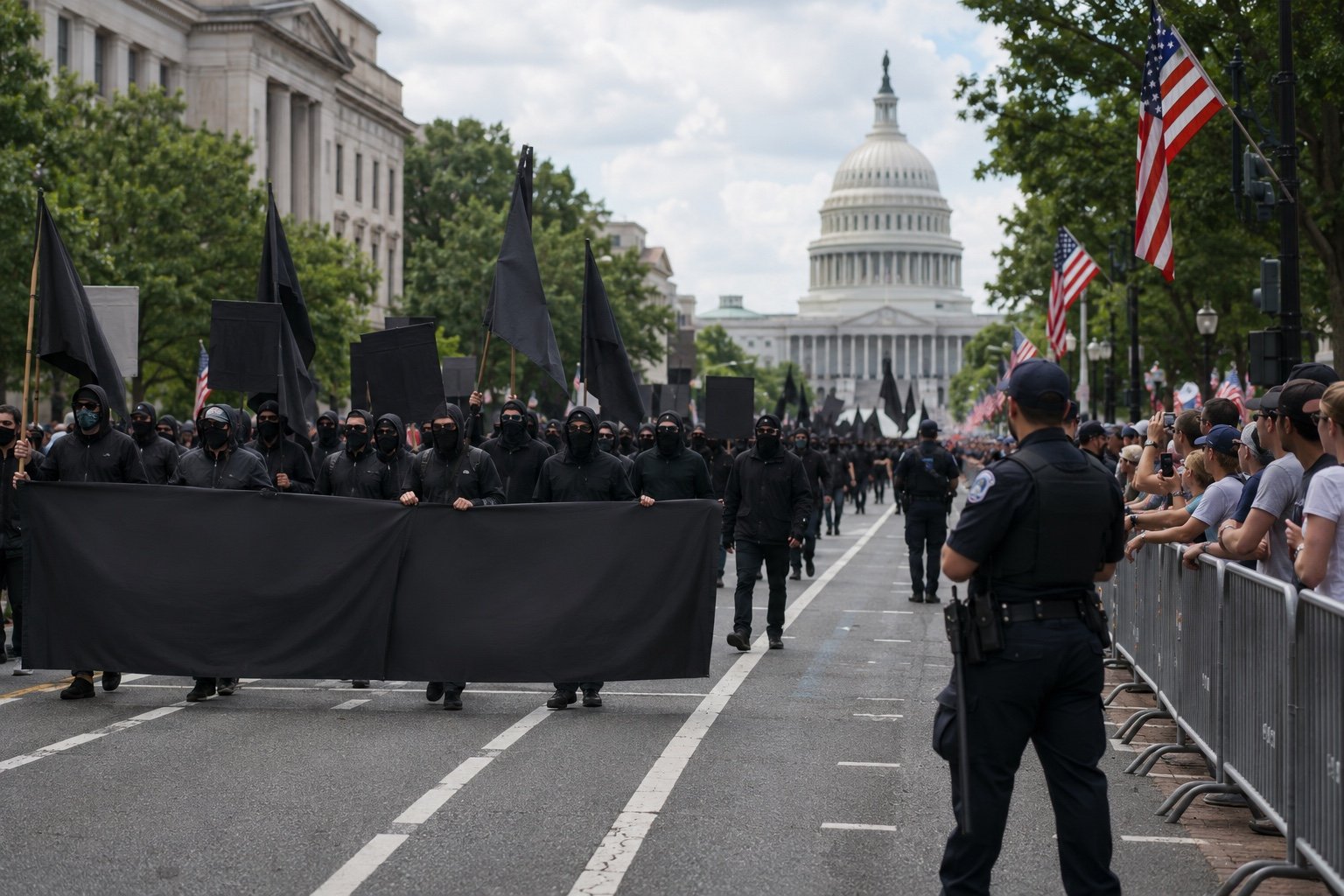
Patriot Front's July Fourth March in Washington Tests How a Capital Handles Extremist Spectacle
A masked Patriot Front march through Washington DC during the US 250th anniversary raises hard questions about public space, symbolism and response.
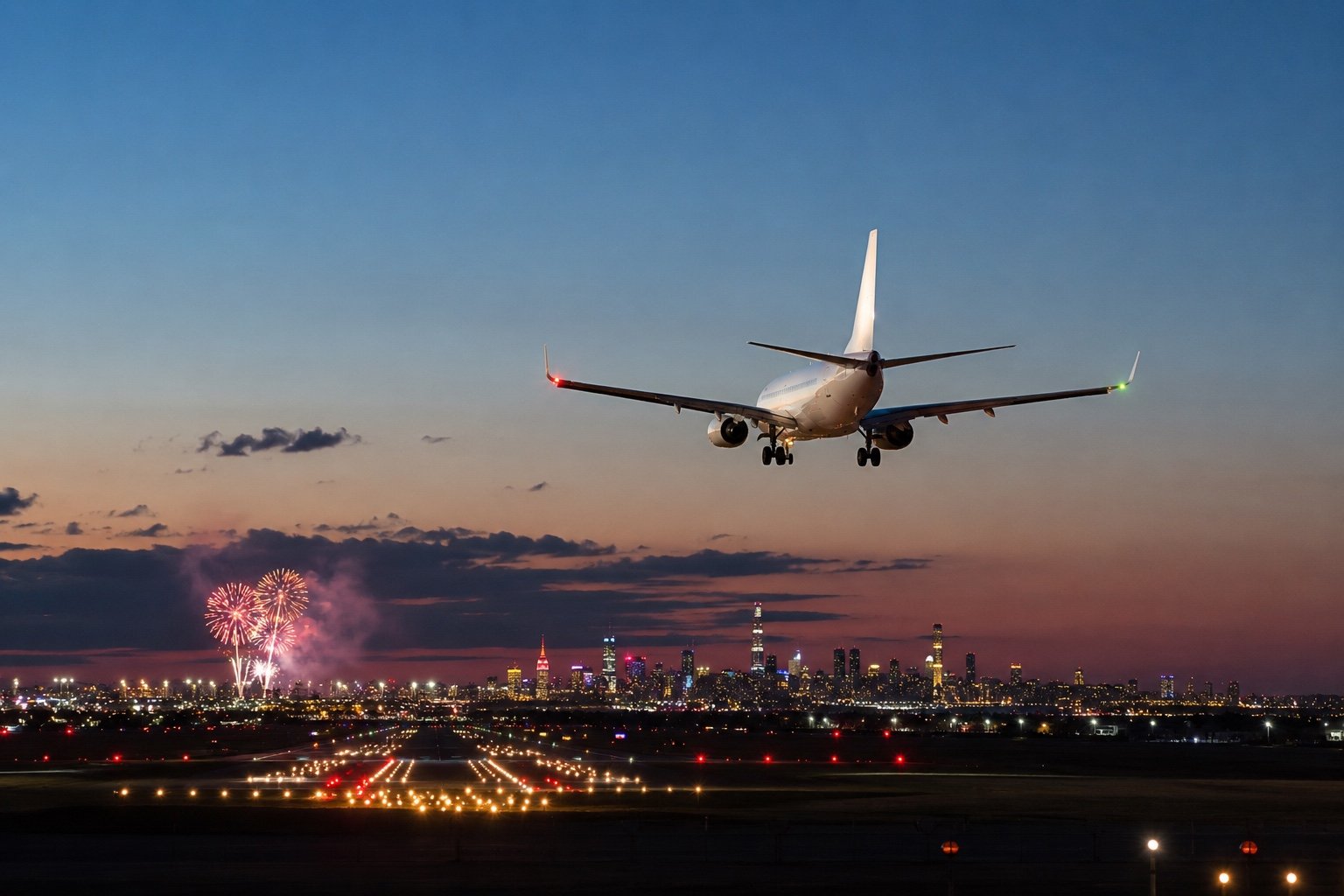
Delta firework incident turns celebration risk into an aviation safety question
A Delta A319 crew reported a firework exploding nearby at low altitude on approach to Chicago Midway on July 4. The FAA is investigating the near miss.
Eric Adams's former chief of staff charged in bribery case
The ex-aide to the former New York City mayor is accused of taking bribes, adding to scrutiny of city government.