Summer Getaway Warning as Dover and European Airports Brace for EES Queues
The first big school-holiday weekend and the EU's new Entry/Exit System threaten border queues at Dover and European airports. What travellers need to know.
UK News & Politics Editor ·
Why it's trending
Schools are breaking up, millions are travelling and warnings about border queues affect immediate plans, making EES one of the most searched practical topics for UK families.
Why this weekend is unusually busy
The start of the English school summer holidays is creating one of the year's largest movements of passengers by road, rail, sea and air. Dover expects thousands of cars, airports are entering their peak period and popular European destinations are processing large numbers of British visitors through the EU's Entry/Exit System. The pressure is not caused by one failure. It is the combination of concentrated demand, hot weather, road congestion, staffing and a digital border process that still operates unevenly. Families searching for advice need to distinguish between general warnings and confirmed disruption at their specific departure point.
What the Entry/Exit System does
EES records the entry and exit of many non-EU nationals travelling for short stays in the Schengen area. British citizens are generally treated as third-country nationals for this purpose. The system replaces routine passport stamping with a digital record and can require a facial image and fingerprints during registration. The policy aims to strengthen border security and identify overstaying. In theory, later journeys should become faster once a traveller's details are registered. In practice, the first interaction takes longer than a passport stamp, and airports or ports need enough kiosks, trained staff and reliable software to handle peaks.
Why queues can become severe
Border capacity is sensitive to small increases in processing time. If a check takes one or two extra minutes per passenger, a full aircraft or car ferry can create a long queue quickly. Families travelling together may need several registrations, and young children can require assistance. Equipment faults or uncertainty about the process slow the line further. Ryanair has criticised implementation at a group of European airports, saying passengers have faced excessive waits and missed flights. The airline wants greater flexibility to pause or simplify checks during peak periods while infrastructure improves. EU authorities must balance that request against the security purpose of the system.
The Dover challenge is different from an airport
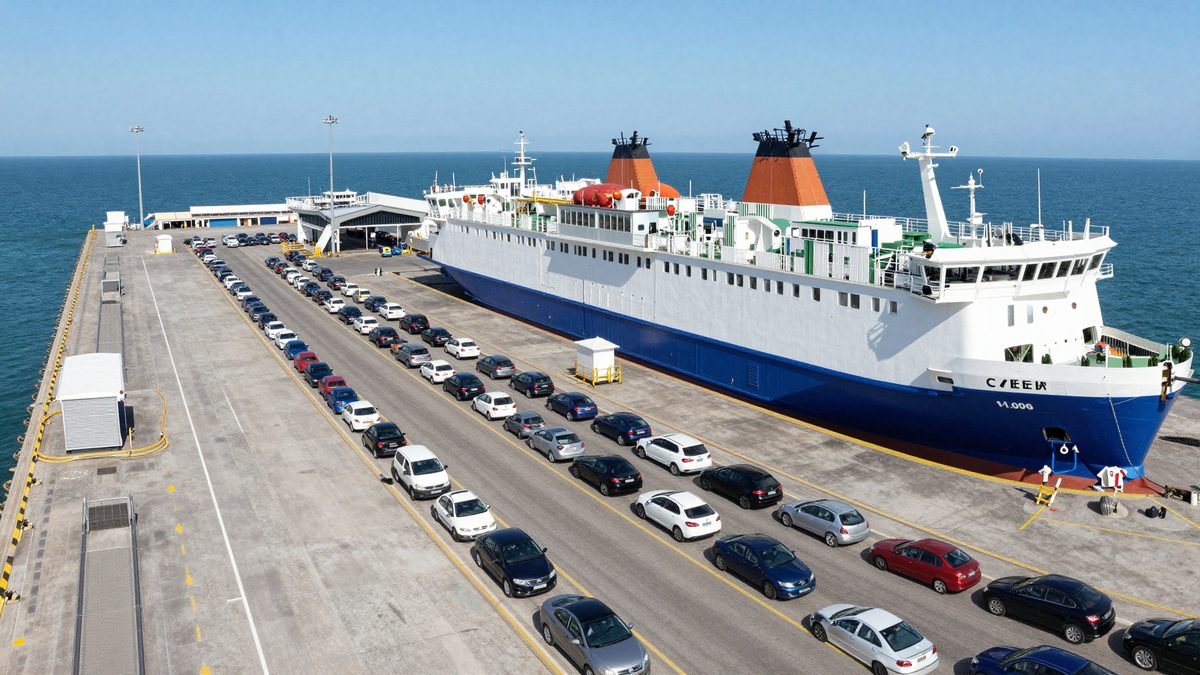
At Dover, French border checks take place before passengers leave Britain. Cars, coaches and freight share limited road approaches, so congestion can spread beyond the port. New biometric infrastructure has been built, but reporting indicates that parts of the full process are not yet operating as intended. Port guidance asks passengers not to arrive more than two hours before departure because excessively early arrivals can worsen queues. Travellers should use the main signed routes, monitor operator messages and ensure every passenger's passport is ready. Turning up half a day early is not a reliable strategy and may create a new problem.
Which airports are causing concern
Ryanair has highlighted a number of destinations used heavily by British holidaymakers, including airports in Spain, the Canary Islands, central Europe and France. Conditions can change by terminal and time of day, so a list of 'hotspots' is not a guarantee that every passenger will face a multi-hour wait. The practical point is that inbound and outbound border processing may take longer, especially for first-time EES registration. Travellers should check official airport information as well as airline alerts, because social-media videos often show a single exceptional queue without explaining when or why it formed.
How much extra time should passengers allow
There is no universal answer. Airlines specify check-in and bag-drop deadlines, airports publish recommended arrival times and ferry operators provide separate instructions. Arriving slightly earlier may be sensible when a carrier warns of border delays, but arriving too early can overwhelm terminals or Dover holding areas. Passengers should complete online check-in where possible, keep travel documents accessible and understand whether the EES check occurs on departure, arrival or both for their route. Families should carry water, medication, chargers and food suitable for a delay, while following restrictions on liquids and security screening.
Road congestion and heat add another layer
The holiday exodus creates pressure on the M25, M20, routes to the southwest and roads serving airports and coastal destinations. High temperatures increase the risk of vehicle breakdown, tyre problems and discomfort in stationary traffic. Drivers should check coolant, tyres and fuel or battery range before departure, and never leave children or animals in a parked vehicle. Travel insurance and flexible booking conditions can matter when delays cause missed connections. Passengers with disabilities or medical needs should contact carriers in advance rather than assuming assistance can be arranged quickly during a peak disruption.
Avoiding scams during travel disruption
Periods of delay produce phishing messages offering refunds, replacement tickets or fast-track border access. Travellers should use official airline, ferry, airport and government websites rather than links in unsolicited texts. EES registration itself does not require payment at the border. ETIAS, a separate travel-authorisation system expected later, should not be confused with EES. Criminal sites often exploit that confusion by charging unnecessary fees. Anyone receiving a cancellation message should verify it inside the carrier's app or by typing the official web address, especially before entering passport or card details.
The bigger policy question
Digital borders promise better security and eventually faster processing, but successful implementation depends on capacity and public understanding. The UK's experience with holiday peaks gives the EU and transport operators an immediate test: can they collect new biometric information without turning routine travel into repeated crisis management? The answer will require honest performance data, functioning equipment and contingency plans. For this weekend, the safest advice is practical rather than dramatic: verify the status of the exact route, follow official arrival instructions, prepare for a longer border process and keep enough flexibility that a delay does not ruin the entire journey.
Sources & verification
- The Guardian - Dover and summer getaway pressure (www.theguardian.com)
- Ryanair - EES warning to UK families (corporate.ryanair.com)
- Port of Dover - EES travel advice (www.portofdover.com)
- GOV.UK - EU Entry/Exit System guidance (www.gov.uk)
Filed under UK News · Written by Eleanor Whitfield
You may also like to read