EasyJet takeover deal puts low-cost aviation at a strategic crossroads
EasyJet's reported agreement in principle to a 5.5bn takeover by US firm Castlelake would test how budget airlines adapt to capital pressure and a changing travel market.
Rajan Mehta
Writer ·

EasyJet's reported agreement in principle to a takeover by US investment firm Castlelake would mark more than a corporate ownership change. It would test how low-cost airlines adapt to capital pressure, fleet needs and a changing European travel market.
What happened
The Guardian reported on July 5 that EasyJet had suggested it would agree to a takeover worth about 5.5 billion pounds by Castlelake, after several rejected offers. If completed, the deal would take one of Europe's best-known low-cost carriers private and reshape the ownership landscape around a company long treated as a public-market barometer for budget air travel.
The headline number is striking, but the strategic question is larger. Low-cost aviation has never been only about cheap seats. It depends on aircraft utilisation, fuel costs, airport access, labour relations, ancillary revenue and consumer confidence. A private takeover would be judged by whether it gives EasyJet room to invest and restructure, or whether it increases pressure to extract returns from an already complex operating model.
Why it matters
Budget airlines face a market that looks strong and fragile at the same time. Demand for short-haul leisure travel remains resilient, and many passengers have accepted fees for bags, seat selection and flexibility as part of the low-fare bargain. Yet the cost base has become harder: fuel volatility, aircraft delivery delays, environmental regulation, airport congestion and staffing challenges all make the low-cost promise more difficult to keep.
EasyJet's brand has always sat between two identities. It is a low-cost carrier, but not a bare-bones outsider. It serves major airports, has strong brand recognition and competes for leisure and business-adjacent passengers who want affordability without feeling stripped of convenience. That middle position is valuable, but it is also expensive, because major airports are not cheap and customer expectations are higher.
The counter-view
Private ownership can look attractive precisely because public companies live with quarterly scrutiny and market swings. A private owner can argue it has more patience to make fleet, route and efficiency decisions away from daily share-price pressure. That could mean more strategic freedom, or it could mean less public visibility into decisions affecting passengers, staff and regional connectivity. Investors will ask whether the offer fairly values EasyJet's recovery, employees will want reassurance about jobs and bases, and passengers will care less about ownership structure than about fares, reliability and service.
The bigger picture
The sector also has a climate dimension that cannot be ignored. Airlines face growing pressure over emissions, sustainable aviation fuel and fleet renewal. A private owner with aviation expertise could help fund modernisation, but if financial engineering takes precedence over long-term environmental investment, the deal could deepen public scepticism about airline sustainability promises. For competitors such as Ryanair, Wizz Air and legacy carriers, a deal could sharpen the market if private ownership funds expansion, or discipline it if it drives consolidation.
What happens next
For the public, the most important question is simple: will the airline become better at what passengers need? More efficient aircraft can mean fewer disruptions and stronger finances can protect routes, but cost-cutting can also reduce service resilience. If Castlelake's bid goes through, the deal will be judged by whether it strengthens the low-cost model or merely re-prices it, and the difference will lie in execution rather than in the legal structure alone.
Sources: reporting by The Guardian.
The NE Times is an independent news and analysis publisher. Our articles combine factual reporting with clearly-written, impartial analysis. Content is for general information and does not constitute professional advice. Disclaimer.
You may also like to read
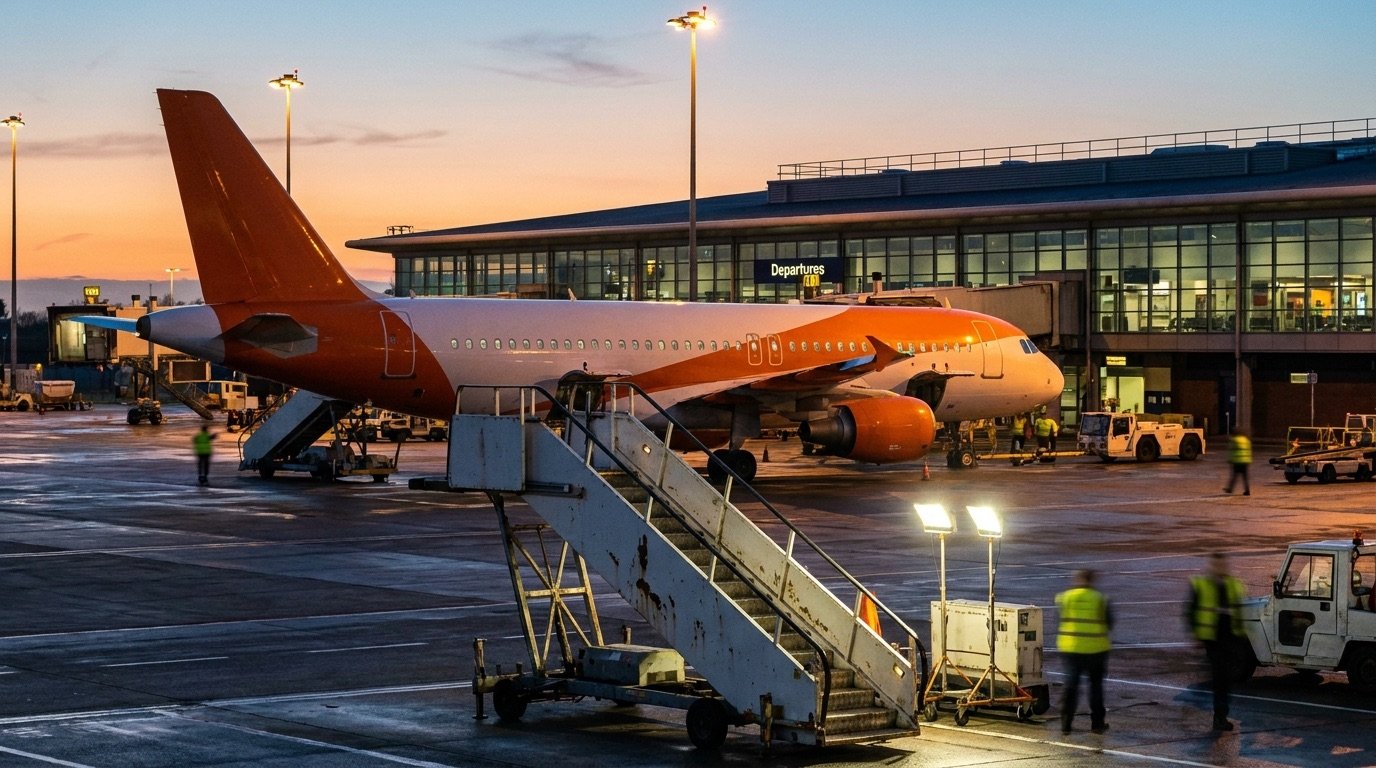
EasyJet rejects £4.7bn Castlelake takeover proposal as deadline looms
The low-cost carrier has rebuffed a 625p-a-share all-cash approach from US investment firm Castlelake, which now has until 26 June to decide whether to make a firm offer.
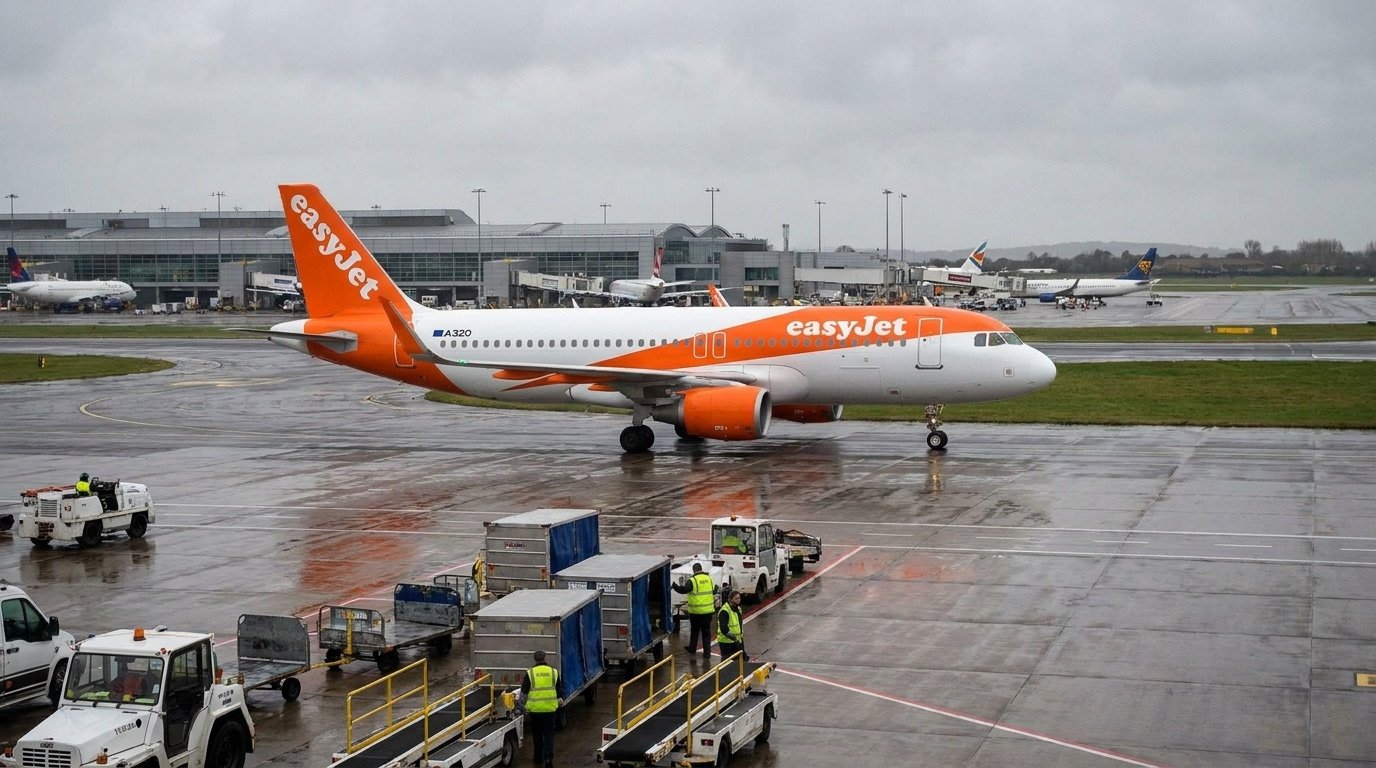
easyJet calls Castlelake takeover interest 'opportunistic' as deadline looms
The budget airline has rebuffed early-stage approach talk from the US investment firm, with a Takeover Code deadline of 26 June forcing Castlelake to bid or back off.
EQT's £9bn swoop on Intertek caps a record run of bids for British firms
The Swedish private equity group's indicative £60-a-share offer for the testing giant is the latest in a takeover wave that has put more than £22bn of UK companies in play this year.
Mike Ashley's Frasers Group launches near-£1.7bn bid for full control of Hugo Boss
The British retail empire behind Sports Direct has made a cash offer to buy out the German fashion house, capping years of stake-building in the brand.