Mike Ashley's Frasers Group launches near-£1.7bn bid for full control of Hugo Boss
The British retail empire behind Sports Direct has made a cash offer to buy out the German fashion house, capping years of stake-building in the brand.
Rajan Mehta
Writer ·
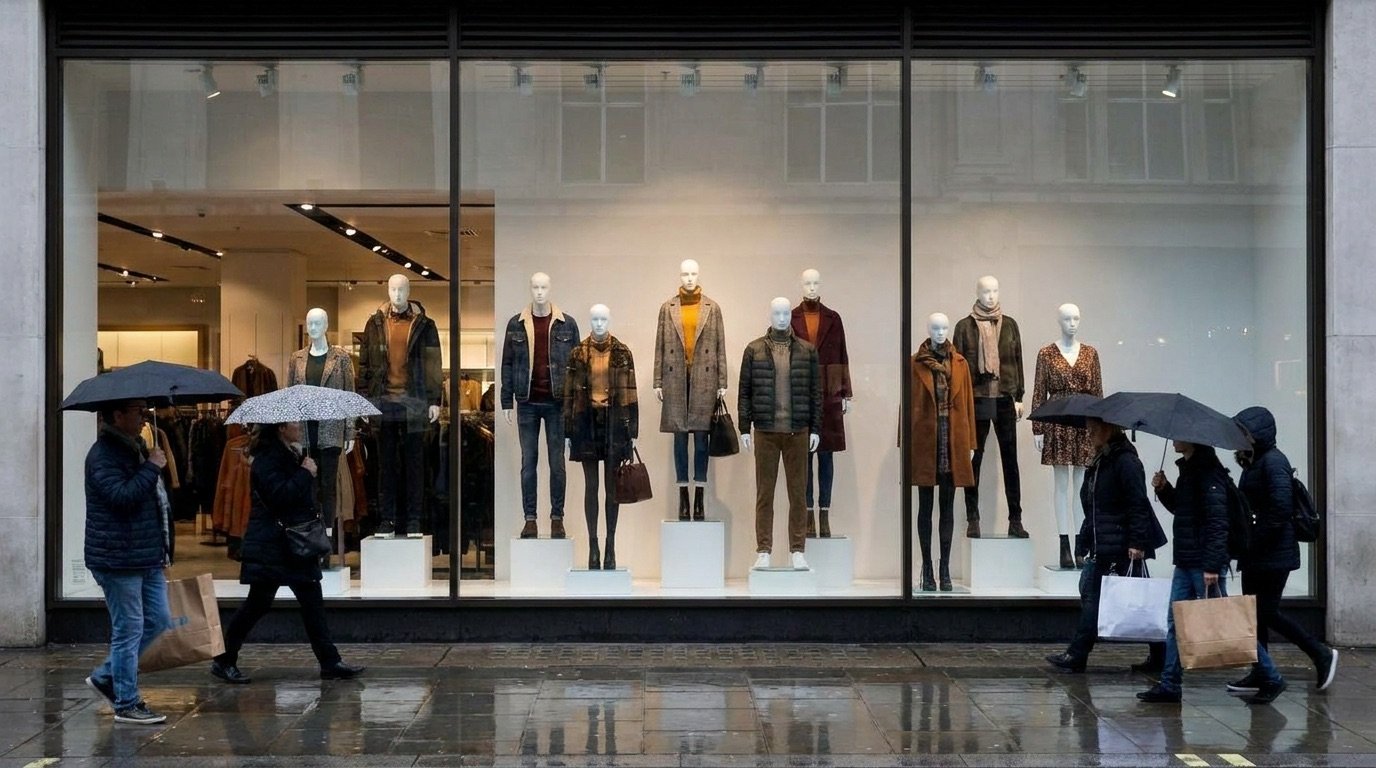
Frasers Group, the retail business founded by Mike Ashley, has launched a takeover offer for Hugo Boss worth close to 2bn euros, moving to seize full control of the German fashion label after quietly accumulating shares over several years. The bid represents one of the most ambitious moves yet in the British group's long campaign to build a portfolio of established fashion brands.
The all-cash bid values the Stuttgart-based company at roughly 1.98bn euros, or around 1.7bn pounds. Frasers, which already holds a stake of about 26 per cent in the brand, is offering to buy the remaining shares from other investors. If the offer is accepted, it would convert the group's existing influence into outright ownership of one of Europe's most recognisable clothing names.
The approach is the latest chapter in a transformation of Frasers from its origins as a sportswear discounter into a sprawling retail conglomerate with interests spanning value chains and premium labels alike. It also marks another bold play by a company that has built a reputation for opportunistic stake-building and aggressive dealmaking.
A long courtship
The approach marks the culmination of a campaign that began several years ago, as Frasers steadily built up its holding in the maker of tailored suits and menswear. The group has pursued a strategy of taking sizeable positions in established fashion names, and Hugo Boss has long been viewed as a centrepiece of that effort. By accumulating shares over time rather than launching a single dramatic swoop, Frasers positioned itself as the dominant investor before making its move for full control.
News of the offer sent Hugo Boss shares sharply higher, with the German company's stock jumping after the bid was confirmed. The price on the table represents a premium to where the shares had been trading before the announcement, the customary feature of a takeover designed to persuade existing shareholders to part with their holdings.
For Frasers, the logic of the deal lies in deepening its presence in the premium end of the market, complementing its sprawling stable of retail brands with full ownership of a label that carries genuine international cachet. Owning Hugo Boss outright would give the group control over the brand's strategy, distribution and positioning in a way that a minority stake cannot.
- The all-cash bid values Hugo Boss at around 1.98bn euros (£1.7bn)
- Frasers already holds roughly 26 per cent of the company
- The offer targets the remaining shares held by other investors
- Hugo Boss shares rose sharply after the bid was confirmed
- Frasers aims to complete the deal in the second half of the year
“This is the natural conclusion of a stake-building strategy that has been years in the making.”
— A retail sector analyst
Background and context
Frasers Group, formerly Sports Direct International, grew from Mike Ashley's discount sportswear business into one of the most acquisitive forces in British retail. Over the years it has snapped up high street names, department store brands and stakes in a range of consumer-facing companies, often buying into businesses experiencing difficulty and seeking to extract value from them. Its appetite for fashion labels, in particular, has reshaped its profile and ambitions.
Hugo Boss, founded in Germany and known worldwide for its tailoring and menswear, has navigated the shifting fortunes of the global fashion industry while remaining one of its most established premium names. A full takeover by a British group would be a notable cross-border deal, bringing a storied European brand under the ownership of a company best known on the high street for very different kinds of retail.
Mike Ashley himself has stepped back from frontline leadership of the group in recent years, but his influence over its strategy and his appetite for bold acquisitions remain central to its identity. The pursuit of Hugo Boss fits a pattern of seeking out brands with strong recognition and turning minority positions into controlling stakes, a playbook that has both rewarded and unsettled the wider retail sector.
What happens next
Hugo Boss said its board would review the proposal, noting that the move had not been coordinated with the company in advance. The deal will require approval from shareholders and regulators, with Frasers indicating it hopes to complete the acquisition in the second half of the year. Much will depend on whether enough investors are tempted by the premium on offer, and on how competition and regulatory authorities view the prospect of the combination.
If successful, the takeover would significantly deepen the British group's footprint in the premium fashion market and hand it ownership of one of Europe's best-known clothing brands. It would also stand as a landmark moment in Frasers' evolution, confirming its ambition to be taken seriously not just as a high street operator but as a major player in global fashion.
Sources: reporting by CNBC.
The NE Times is an independent news and analysis publisher. Our articles combine factual reporting with clearly-written, impartial analysis. Content is for general information and does not constitute professional advice. Disclaimer.
You may also like to read

EasyJet takeover deal puts low-cost aviation at a strategic crossroads
EasyJet's reported agreement in principle to a 5.5bn takeover by US firm Castlelake would test how budget airlines adapt to capital pressure and a changing travel market.

EasyJet rejects £4.7bn Castlelake takeover proposal as deadline looms
The low-cost carrier has rebuffed a 625p-a-share all-cash approach from US investment firm Castlelake, which now has until 26 June to decide whether to make a firm offer.

The Quiet Studio That Keeps Winning: Inside Illumination's Minions Economics
With Minions & Monsters out and Mario the year's only billion-dollar film, Illumination's low-cost, globally legible formula is Hollywood's model to beat.

Hollywood's June jobs drop shows entertainment is still hunting for a new normal
US movie and music employment fell by 3,600 in June to 321,700, a reminder that the post-streaming-boom correction is hitting the workers behind the credits.