Councils test the courts over asylum hotels as the Bell Hotel fight returns to the Court of Appeal
Epping Forest District Council is pressing on with a legal challenge over the use of a local hotel for asylum accommodation, in a case being watched by authorities across England weighing similar action.
Eleanor Whitfield
Writer ·
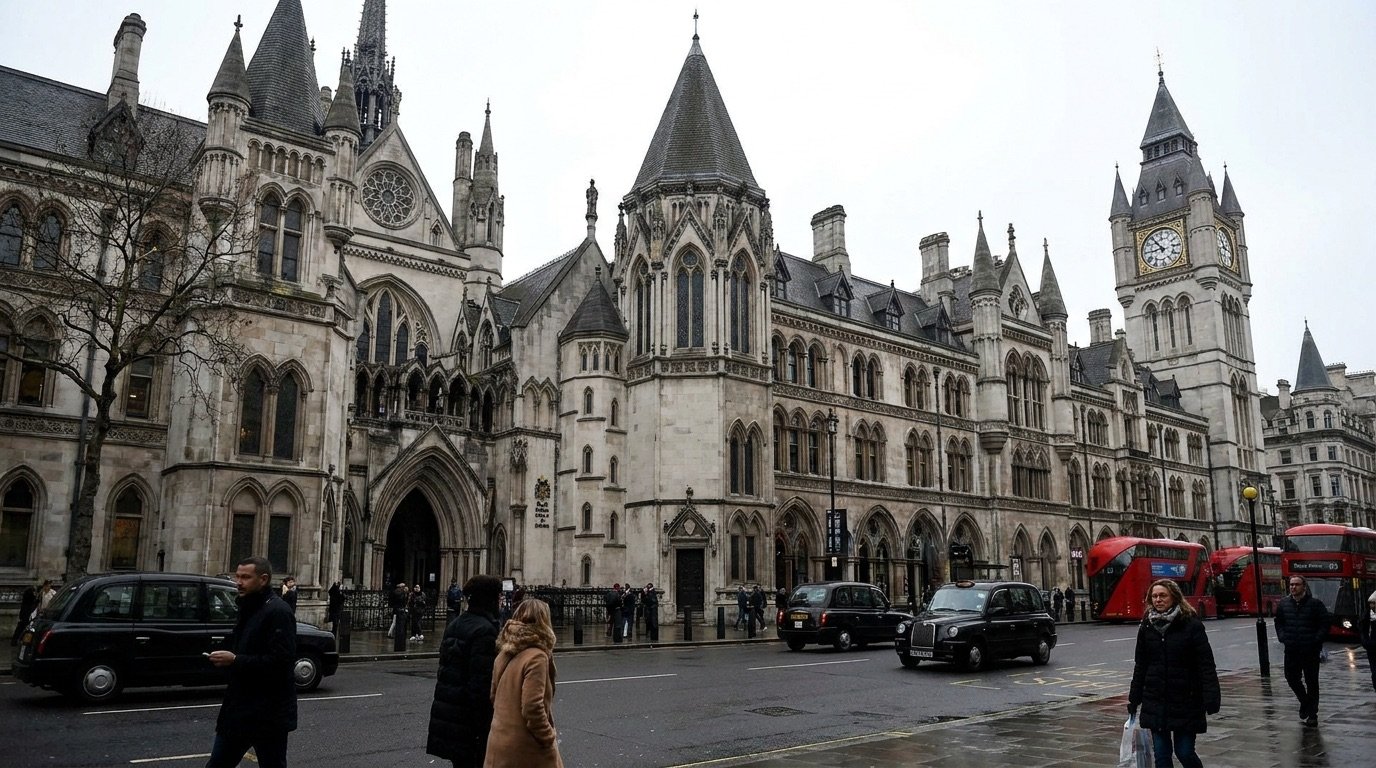
A long-running dispute over the use of a hotel to accommodate asylum seekers has returned to the courts, with Epping Forest District Council pursuing a Court of Appeal challenge after the High Court declined to grant an injunction halting the practice at the Bell Hotel in Essex.
The case has become a flashpoint in the wider argument over where asylum seekers should be housed and who gets to decide. It pits a local authority's planning powers against the Home Office's need to find accommodation, and its outcome could shape how far councils elsewhere can resist hotel use through the courts.
The Bell Hotel was at the centre of frequent demonstrations, both for and against the accommodation, during the previous summer — making the legal fight as much a test of community tension as of planning law.
The legal back-and-forth
The council initially secured a temporary injunction blocking the hotel's use, citing planning rule violations. That injunction was overturned on appeal as 'seriously flawed in principle', and a High Court judge subsequently rejected the council's application for a permanent injunction, ruling that the planning breach was 'far from being flagrant'.
At the latest Court of Appeal hearing, the council's lawyers argued there was a 'compelling reason' to allow the challenge to proceed, contending that the original judge reached the wrong conclusion. The Home Office and the hotel's operators have resisted attempts to restrict the use of the site.
- Epping Forest District Council won a temporary injunction over the Bell Hotel in August 2025.
- The Court of Appeal overturned that injunction, calling it 'seriously flawed in principle'.
- A High Court judge later refused a permanent injunction, finding the breach 'far from being flagrant'.
- The council argues there is a 'compelling reason' for its challenge to proceed.
- Other local authorities are watching the case as a potential precedent.
A test case for other councils
Lawyers and local-government figures see the Epping litigation as a bellwether. If a council can use planning law to limit hotel accommodation, others facing local opposition may follow; if the courts hold that such use is broadly permissible, the route narrows considerably.
The dispute lands against a backdrop of the government's own commitment to wind down the use of hotels for asylum accommodation, raising the question of whether litigation will be overtaken by policy as sites are gradually returned to communities. For now, the legal uncertainty leaves both councils and the Home Office navigating an unsettled position.
“There is a compelling reason for this challenge to be heard. The original judge reached the wrong conclusion on the planning question.”
Background
Hotels became a stopgap for asylum accommodation as arrivals outpaced the availability of dispersed housing, and at their peak tens of thousands of people were housed in them at significant cost. Their use has drawn objections from some local communities and authorities over planning, cost and pressure on services.
Several councils have explored legal avenues to challenge specific sites, with planning law emerging as the principal tool. The Bell Hotel case has become the most prominent example, partly because of the scale of the protests it attracted.
What happens next: the Court of Appeal's decision on whether to let the challenge proceed will signal how much room councils have to resist hotel use through the courts, even as the government presses ahead with plans to phase hotels out altogether.
Sources: reporting by GB News.
The NE Times is an independent news and analysis publisher. Our articles combine factual reporting with clearly-written, impartial analysis. Content is for general information and does not constitute professional advice. Disclaimer.
You may also like to read

New independent asylum appeals body promised as tribunal backlog passes 139,000
Ministers want to lift asylum and human-rights appeals out of the overloaded courts and into a faster body of trained adjudicators. Lawyers warn speed must not come at the cost of fairness.

Family returns plan sparks backlash as charities warn of 'enforced destitution'
A 12-week consultation on returning refused families would scale back support for those with no legal right to remain. Refugee groups say the proposals risk pushing children into poverty.
Backlog at five-year low as Home Office leans on cash-for-returns pilot
Initial-decision asylum cases have fallen to around 35,700, their lowest since 2020, while a new pilot offering families up to £40,000 to leave voluntarily faces questions over how many have actually taken it up.

710 in one day: Channel sees its busiest day of 2026 as summer crossing season opens
Some 710 people arrived on 11 boats on 15 June, the largest single-day total of the year so far, after a six-day weather lull — underlining how quickly arrivals climb once conditions calm.