Ethiopians vote in election expected to extend Abiy Ahmed's grip on power
More than 50 million people were registered to vote as Ethiopia held national elections, though polling did not take place in conflict-hit Tigray and parts of Amhara.
Marcus Reeve
Writer ·
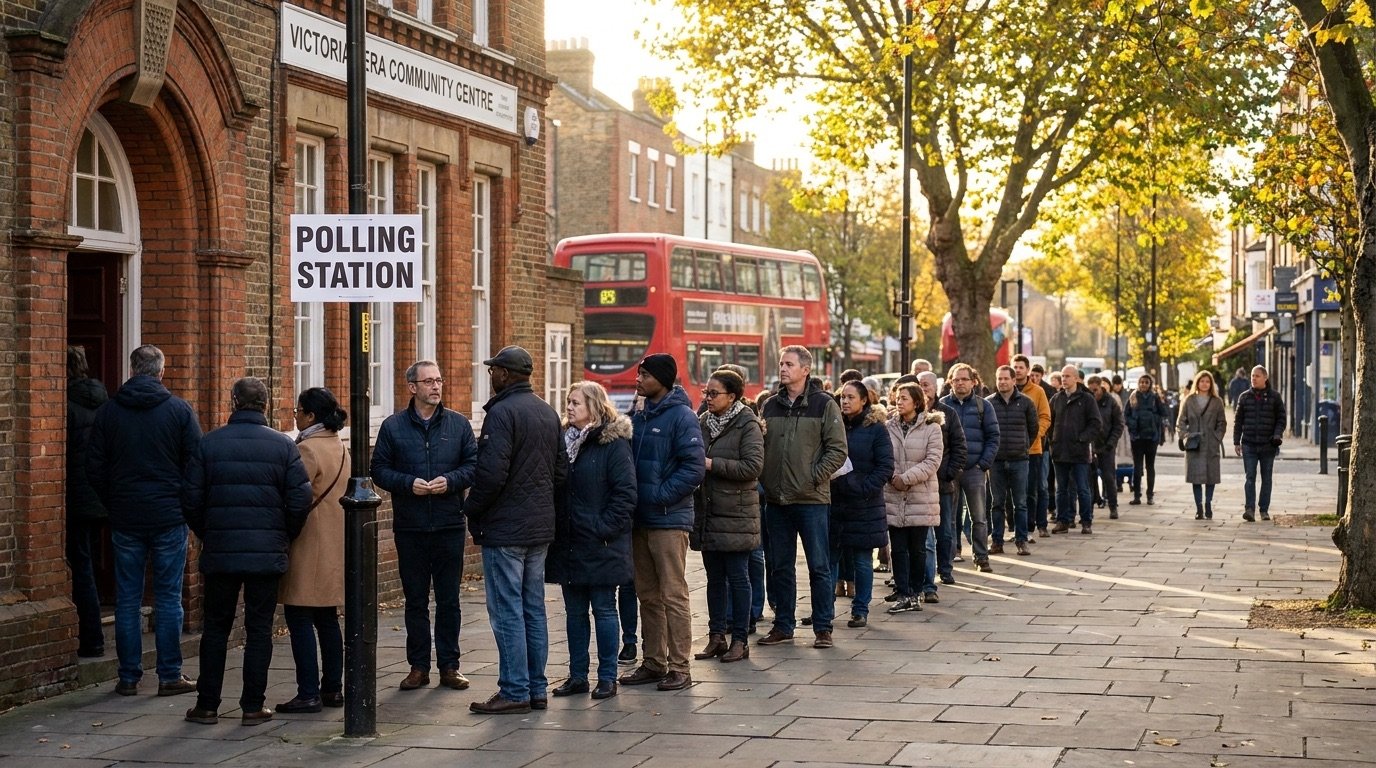
Ethiopians have gone to the polls in parliamentary and regional elections that Prime Minister Abiy Ahmed's Prosperity Party is widely expected to win comfortably, tightening the governing party's hold on Africa's second most populous nation. The vote was held against a backdrop of lingering conflict and deep political divisions that have left parts of the country unable to participate.
More than 50 million people were registered to vote. The Prosperity Party, which took the overwhelming majority of seats at the last election in 2021, campaigned on the government's economic record, pointing to improved food security and projecting growth above 10 percent for 2026. Its dominance of the political landscape left little doubt about the likely outcome.
The election is a significant test of Ethiopia's stability following years of upheaval, including a devastating civil war in the north. For Abiy, once celebrated internationally as a reformer, the vote offers an opportunity to consolidate his authority, even as critics question the fairness of the process.
Large areas left out of the vote
Voting did not take place in the northern Tigray region, where the National Election Board cited unfavourable conditions following the 2020 to 2022 civil war and continuing instability. The exclusion of an entire region from a national election underscores how far Ethiopia remains from full reconciliation after a conflict that caused immense loss of life and displacement.
Several constituencies in Amhara also went without polls because of activity by the Fano armed group. The unrest in Amhara, once an ally of the federal government in the war against Tigrayan forces, illustrates the shifting and overlapping conflicts that continue to destabilise parts of the country and complicate any claim to a fully national mandate.
“Voting was held under unfavourable conditions in several regions.”
— National Election Board of Ethiopia
Opposition figures have accused the federal government of arresting their leaders and erecting legal obstacles to campaigning, allegations the authorities deny. Critics warn that a fresh mandate could allow Abiy to centralise power further and pursue contentious regional aims, including renewed demands for sea access, an ambition that has unsettled neighbouring states.
A leader's changing reputation
Abiy Ahmed came to power in 2018 amid a wave of optimism, releasing political prisoners, liberalising parts of the economy and striking a peace agreement with neighbouring Eritrea that earned him the Nobel Peace Prize the following year. For a time he was seen as a transformative figure capable of reshaping Ethiopia and the wider Horn of Africa.
That reputation was badly damaged by the war in Tigray, which began in late 2020 and drew widespread international condemnation over reports of atrocities and a humanitarian catastrophe. The conflict ended with a peace deal in late 2022, but its scars endure, and the continuing instability in the north and in Amhara has tempered the early hopes that accompanied Abiy's rise.
- More than 50 million voters registered nationwide
- Prosperity Party expected to retain its dominant majority
- No voting in Tigray amid post-war instability
- Parts of Amhara excluded due to Fano insurgency
- Opposition alleges arrests and obstacles to campaigning
Background: a fractured federation
Ethiopia is a vast and ethnically diverse country governed under a system of ethnic federalism, which grants significant autonomy to regions defined largely along ethnic lines. That structure has long been a source of tension, balancing the demands of different communities against the pull of central authority, and it has repeatedly erupted into conflict.
The exclusion of Tigray and parts of Amhara from the vote highlights how those tensions persist. An election that cannot be held across the whole country inevitably raises questions about the legitimacy and inclusiveness of the resulting government, and about the prospects for a durable national settlement.
What happens next
With the Prosperity Party expected to secure another sweeping victory, attention will turn to how Abiy uses a renewed mandate. Supporters point to economic gains and argue that continuity will help stabilise the country, while critics fear a further concentration of power and a hardening of the government's stance towards opponents.
The pursuit of access to the sea, a long-standing strategic goal for landlocked Ethiopia, is likely to remain a flashpoint with neighbouring countries. Much will depend on whether the government can extend its authority peacefully to regions currently outside its control, and whether it can rebuild the broad-based legitimacy that the conflicts of recent years have eroded. The stakes extend well beyond Ethiopia's borders: as a regional heavyweight and a linchpin of stability in the Horn of Africa, the country's internal trajectory will shape security and economic prospects across one of the continent's most volatile regions for years to come.
Sources: reporting by Al Jazeera.
The NE Times is an independent news and analysis publisher. Our articles combine factual reporting with clearly-written, impartial analysis. Content is for general information and does not constitute professional advice. Disclaimer.
You may also like to read
Shincheonji Church Leader Lee Man-hee Arrested in South Korea Election Probe
The 95-year-old founder was detained as authorities investigate claims that followers were recruited into a political party to sway elections.

Colombia's progressive candidate concedes presidential election
Ivan Cepeda concedes to Trump-endorsed outsider Abelardo de la Espriella after a runoff signalling a sharp political shift.

Colombia braces for a polarising runoff as Cepeda and de la Espriella battle for the presidency
A leftist heir to Gustavo Petro faces a self-styled hardline outsider in a 21 June second round that could reset Bogotá's ties with Washington and its approach to security.
Votes at 16 bill returns to the Commons as election overhaul advances
The government's flagship democracy legislation, lowering the voting age and reshaping party funding rules, has been carried over into the new session.