Europe tightens its returns rules as the UK-France pilot enters its decision phase
Brussels has agreed a sweeping new EU Returns Regulation just as the New Pact on Migration and Asylum takes effect — reshaping the legal landscape around the UK's 'one-in, one-out' arrangement with France.
Eleanor Whitfield
Writer ·

The legal environment around cross-Channel migration shifted this month as the European Union moved to harden its returns regime. On 1 June 2026, EU negotiators reached a deal on a new Returns Regulation designed to make the removal of people staying illegally in member states faster and more uniform across the bloc.
The agreement came as the EU's wider New Pact on Migration and Asylum became applicable from 12 June, and as the European Parliament voted on 17 June to back a tougher returns framework. Together, the measures mark the most significant overhaul of European migration law in years — and one with direct implications for the UK.
Although the UK is no longer in the EU, the way France and other neighbours handle asylum claims and removals directly shapes the dynamics of the Channel route and the operation of bilateral deals such as the 'one-in, one-out' pilot.
What the new EU rules do
The reformed Returns Regulation is intended to standardise procedures so that a return decision issued in one member state can be recognised and acted on across the bloc, reducing the scope for people to move between countries to avoid removal. It also opens the door to processing some returns through arrangements with third countries.
For the UK, the significance is indirect but real: a France operating within a tighter, more coordinated European returns system changes the calculus for both the smuggling networks and the migrants weighing the Channel route, and provides a more stable framework for the UK to negotiate against.
- EU negotiators agreed a new Returns Regulation on 1 June 2026.
- The New Pact on Migration and Asylum became applicable from 12 June 2026.
- The European Parliament backed a tougher returns framework on 17 June 2026.
- The rules aim to make return decisions recognised bloc-wide and to allow third-country arrangements.
- Changes reshape the European backdrop to the UK-France 'one-in, one-out' pilot.
The UK-France pilot in its decision phase
The UK's 'one-in, one-out' arrangement with France — under which the UK can return some irregular Channel arrivals deemed ineligible for asylum, while accepting an equal number of asylum seekers with genuine ties to Britain — has been operating as a pilot and is now in the phase where both governments assess whether to extend and expand it.
The first removal under the scheme, of an Indian national, took place in late 2025. Since then the two governments have said they would jointly monitor and fine-tune the arrangement before a long-term decision, with the pilot having faced legal challenges over its design and operation.
“A more coordinated European returns system gives bilateral deals like the UK-France pilot firmer ground to stand on.”
Background
The New Pact on Migration and Asylum was years in negotiation and aims to share responsibility for arrivals more evenly across the EU while speeding up screening, asylum and return procedures. Its entry into force has been a landmark moment for the bloc's handling of migration.
The UK's relationship with this framework is one of an interested neighbour rather than a participant. Bilateral cooperation with France remains the principal lever London can pull, making the health and design of arrangements like the returns pilot central to its Channel strategy.
What happens next: ministers in London and Paris are expected to set out whether the 'one-in, one-out' pilot will be extended or scaled up, with the new EU returns architecture forming the backdrop against which any expanded UK-France cooperation will be judged.
Sources: reporting by Council of the EU.
The NE Times is an independent news and analysis publisher. Our articles combine factual reporting with clearly-written, impartial analysis. Content is for general information and does not constitute professional advice. Disclaimer.
You may also like to read
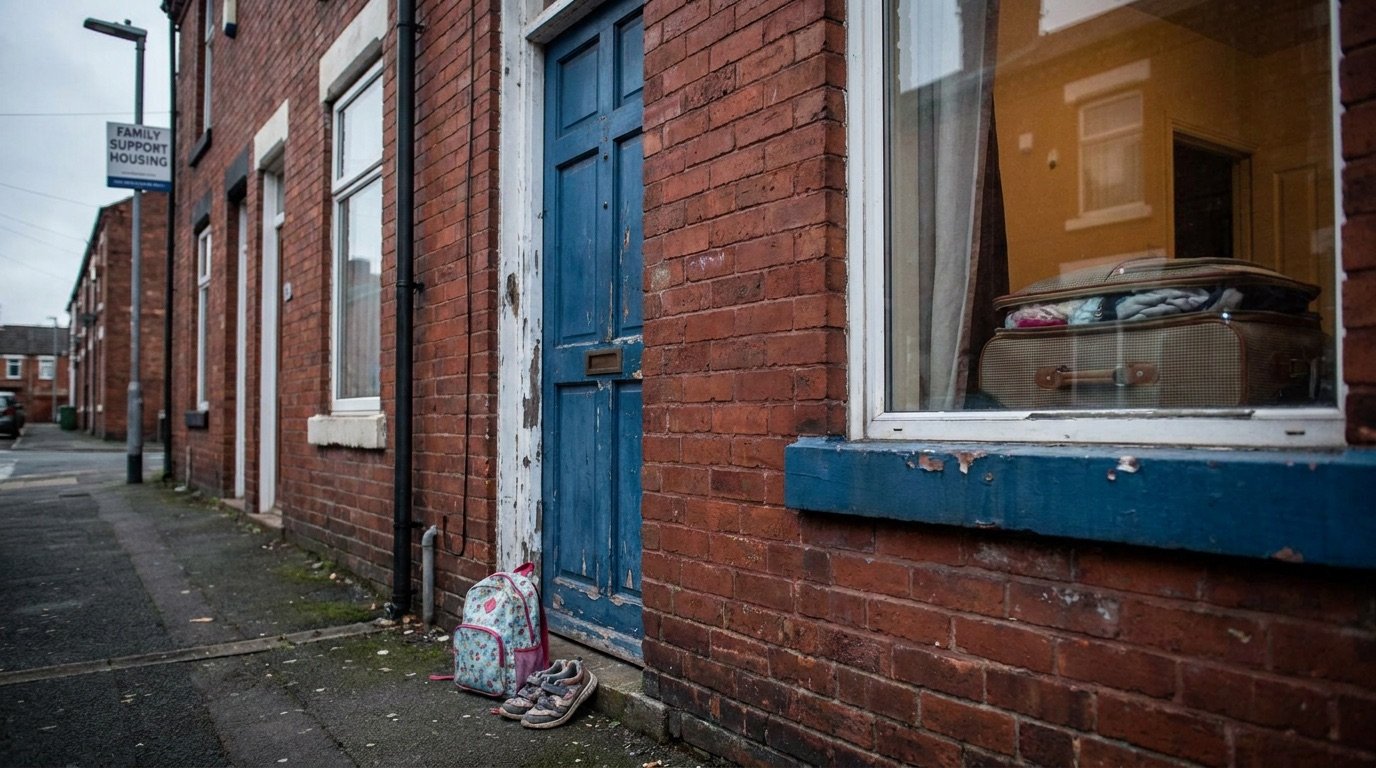
Family returns plan sparks backlash as charities warn of 'enforced destitution'
A 12-week consultation on returning refused families would scale back support for those with no legal right to remain. Refugee groups say the proposals risk pushing children into poverty.

New independent asylum appeals body promised as tribunal backlog passes 139,000
Ministers want to lift asylum and human-rights appeals out of the overloaded courts and into a faster body of trained adjudicators. Lawyers warn speed must not come at the cost of fairness.

Immigration becomes a fault line as Labour leadership race opens
With Sir Keir Starmer announcing his resignation, the battle to succeed him will be fought partly over asylum, deportations and whether Britain should stay in the ECHR.

Backlog at five-year low as Home Office leans on cash-for-returns pilot
Initial-decision asylum cases have fallen to around 35,700, their lowest since 2020, while a new pilot offering families up to £40,000 to leave voluntarily faces questions over how many have actually taken it up.