FIFA's dynamic pricing row exposes the tension at the heart of the expanded World Cup
Reports that senior leadership overruled staff who opposed dynamic ticket pricing have reignited a debate about whether the tournament can balance record revenue with the trust of ordinary fans.
Daniel Fletcher
Writer ·
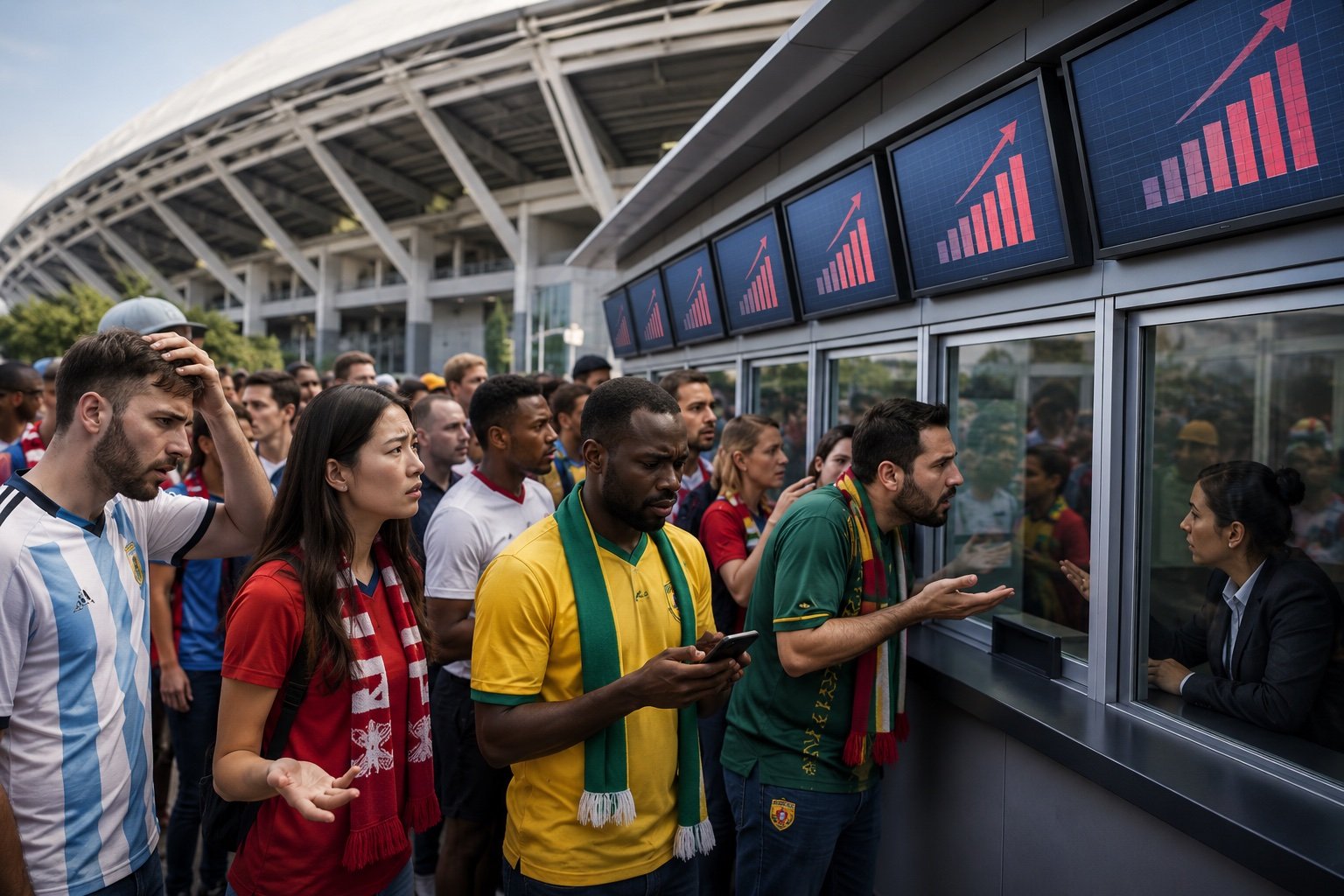
FIFA is facing renewed criticism after reporting indicated that senior leadership overruled US-based staff who had argued against using dynamic pricing for 2026 World Cup tickets. The dispute has become a broader test of how football balances access, revenue and the trust of the fans it depends on.
Dynamic pricing, which allows ticket prices to move up or down in response to demand, has long been common in air travel and concerts. Its arrival at the sport's flagship tournament has nonetheless struck a nerve, with prices reportedly ranging from relatively affordable group-stage seats to extremely expensive final inventory.
FIFA has defended the approach, arguing that demand for the expanded tournament is exceptional and that, without managed pricing, much of the value would simply be captured by resale markets rather than the organisation or the game.
The case for and against
Supporters of the policy say it is a pragmatic response to a market in which secondary listings already push prices far beyond face value. Critics counter that it risks pricing out the ordinary supporters whose presence gives the tournament its atmosphere and meaning.
- Reported prices span cheaper group-stage seats and very costly final tickets.
- US-based staff are said to have warned that variable pricing could anger fans.
- Senior leadership pressed ahead, citing exceptional demand and the resale market.
- Resale listings have intensified the debate over affordability and access.
A question of trust
Beyond the numbers lies a more delicate issue: the promise that a global tournament belongs, at least in part, to ordinary fans. Each decision that appears to prioritise revenue over access chips away at that promise, even when the financial logic is sound.
“The danger is not the price of a single ticket, but the message it sends about who the tournament is really for.”
Background
The 2026 World Cup is the first to feature an expanded format, spread across multiple host nations and generating unprecedented commercial interest. That scale has magnified every pricing decision, turning what might once have been a technical matter into a public controversy.
Governing bodies across sport have increasingly experimented with demand-based pricing as they seek to maximise income from marquee events. The World Cup, with its global audience and emotional pull, represents the highest-profile test yet of how far fans will tolerate the practice.
What happens next: pressure on FIFA is likely to persist as more pricing detail emerges and resale activity grows, with fan groups expected to keep pushing for clearer commitments on affordability while the organisation defends its revenue model.
Sources: reporting by The Guardian.
The NE Times is an independent news and analysis publisher. Our articles combine factual reporting with clearly-written, impartial analysis. Content is for general information and does not constitute professional advice. Disclaimer.
You may also like to read

FIFA pressed ahead with World Cup dynamic pricing despite objections from its own US staff
Leadership reportedly overruled American-based employees who opposed surge-style ticket pricing, intensifying a debate over affordability, resale costs and how aggressively organisers should chase revenue.

The ball is now a witness: connected-ball tech and football's trust problem
A disallowed Croatian goal against Portugal shows connected-ball data now decides World Cup moments — and why accuracy alone cannot buy legitimacy.
Trump set to hand over the World Cup trophy at the 2026 final, says Infantino
FIFA's president has indicated the US leader will present the trophy to the winners on 19 July, adding a fresh political dimension to a final already framed by American venues and heavy security planning.

Qatar's Assim Madibo handed five-match ban for World Cup tackle that broke Kone's leg
FIFA disciplinary action over the challenge that fractured Canada midfielder Ismael Kone's leg becomes one of the tournament's defining safety cases.