First Dates 2026: Fred Sirieix & Why the Show Still Works
Appreciation · Why TV's gentlest show is also its bravest
Culture & Features Editor ·
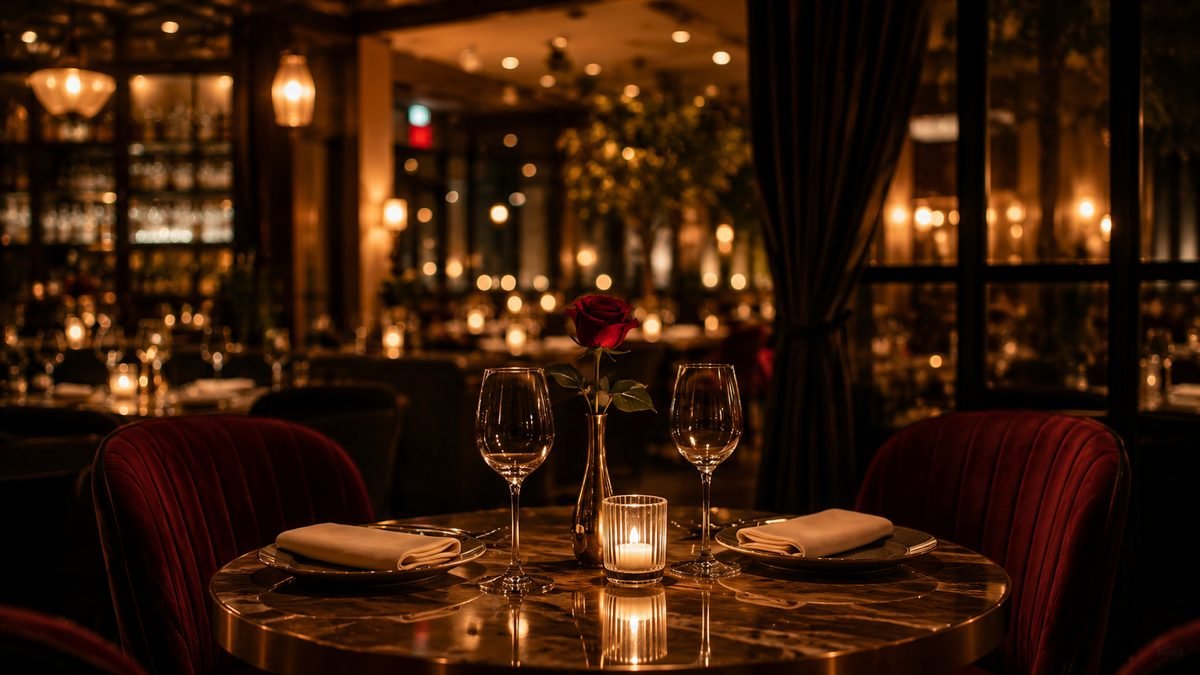
In a reality landscape built on conflict, betrayal and manufactured jeopardy, First Dates does something quietly radical: it is kind. As the beloved Channel 4 format returns with Fred Sirieix and his team once again presiding over the First Dates restaurant, it is worth celebrating why this deceptively simple show has become one of the most cherished and enduring things on British television — a programme whose entire premise is the hopeful, nerve-wracking, universally human experience of a first date.
The concept is elegant in its simplicity. Single people are matched and sent on a blind first date at a real restaurant, where cameras capture the whole encounter — the nervous arrival, the small talk, the awkward pauses, the moments of unexpected connection. Maître d' Fred Sirieix greets them at the door, the staff serve the meals, and at the end of the evening each pair decides, separately, whether they would like to see each other again. That is the entire format. No prize, no elimination, no villa, no twist. Just two strangers, a table, and the possibility of something beginning.
What makes First Dates special is its profound faith in ordinary human beings. Reality television usually casts for drama; First Dates casts for humanity. Its daters span every age, background, orientation and life story — the young and the nervous, the widowed and the hopeful, people who have loved and lost and are bravely trying again. The show gives each of them dignity and space, and in doing so it becomes something more than entertainment: a warm, generous portrait of the universal human search for connection.
The emotional range is remarkable for a programme so gentle. A single episode might move from laugh-out-loud awkwardness — the mismatched pair with nothing to say, the overshare that lands like a stone — to moments of genuine tenderness that catch you off guard. There are widows and widowers dating for the first time in decades. There are people who have been through real hardship finding the courage to open up. There are sparks that fly and connections that plainly will not work, and the show treats both outcomes with the same warmth. It is, frequently, unexpectedly moving.
Fred Sirieix is the heart of it. As the restaurant's maître d', he brings charm, warmth and a genuine emotional investment in the daters' happiness. He is not a host who stands apart from the action; he is a benevolent presence rooting for everyone, offering a reassuring word, sharing in the joy of a good match and the disappointment of a bad one. The supporting staff, familiar faces to regular viewers, add to the sense of a warm, welcoming establishment where people are looked after. The restaurant itself becomes a character — a safe, elegant space where vulnerability is honoured.
There is bravery in that vulnerability, both from the daters and from the show. It takes real courage to go on a blind date knowing it will be broadcast to the nation, to risk rejection or awkwardness in front of an audience. The daters who do so, and who open up honestly about their hopes and their histories, are the show's quiet heroes. And the programme is brave, too, in its refusal to mock them. Where a cynical format might mine humiliation, First Dates extends empathy. Its humour is always affectionate, never cruel.
The show also functions as a gentle celebration of diversity and inclusion, presenting the full spectrum of human romance without fuss or fanfare. Dates across every age, sexuality and background are shown with the same warmth and respect, normalising the simple truth that the desire for connection is universal. In its unshowy way, it has done real cultural work, reflecting the breadth of who falls in love and how.
That warmth is precisely why First Dates endures. In an era of increasingly elaborate, high-concept reality formats — the mind games, the mountains, the strangers marrying at altars — there is something deeply comforting about a show whose only ambition is to watch people try to find love over dinner. It asks nothing of its participants but honesty, and it rewards viewers with something reality television rarely offers: hope. You come away believing, a little, in the fundamental decency of people and the enduring possibility of connection.
As the new series settles in, expect exactly what has made the show a national treasure: a parade of hopeful, funny, moving, brave individuals; Fred and the team shepherding them through the evening; and the eternal, edge-of-the-seat question of whether each pair will want to see each other again. Some will. Some won't. A few, if the show's history is any guide, may even find something lasting. And all of them, whatever the outcome, will have reminded us why First Dates is the gentlest — and quietly the bravest — show on television. Table for two is ready.
Filed under Reality TV · Written by Sophie Bennett