Will Britain go to the polls? The election-timing question facing the next PM
Sir Keir Starmer's successor will inherit a Commons majority but no personal mandate — and the frontrunner has already left the door to an early general election ajar.
Eleanor Whitfield
Writer ·
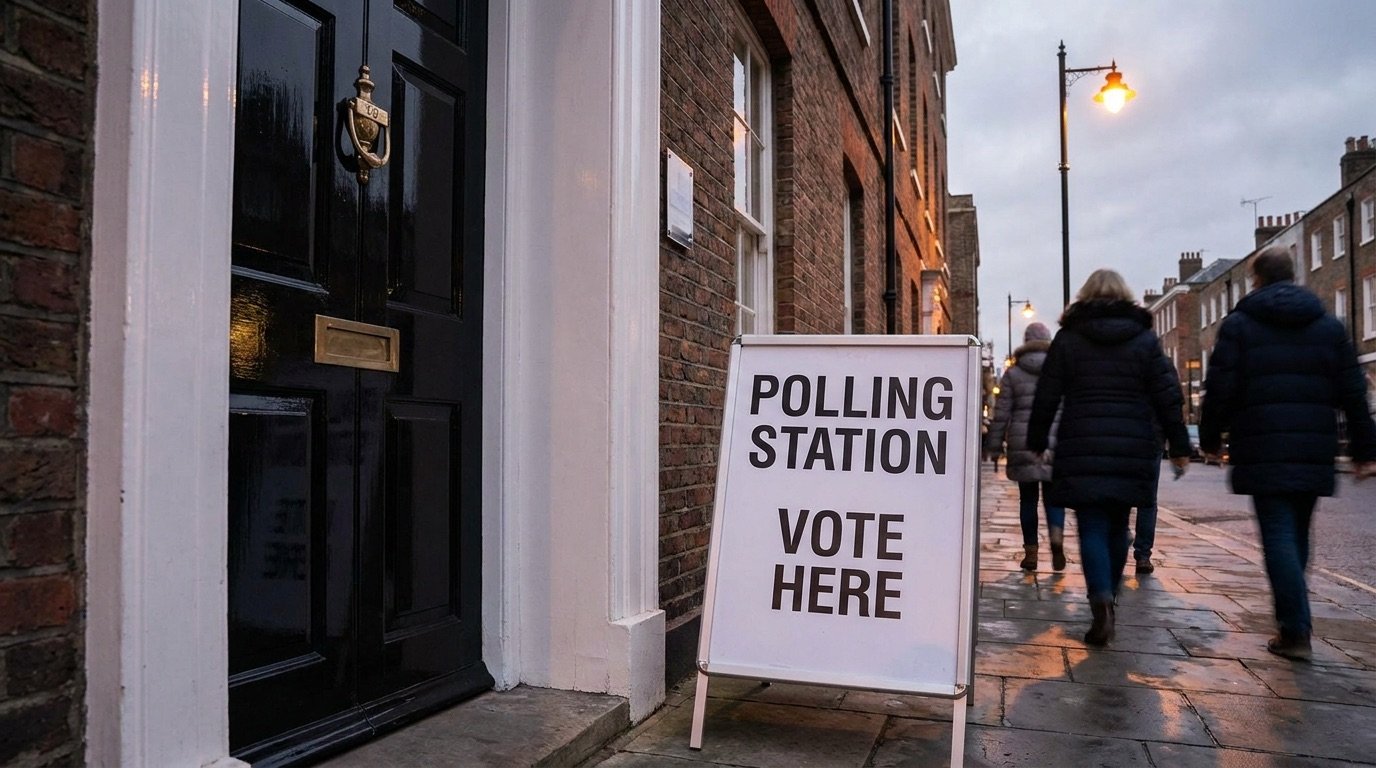
The arithmetic is unforgiving. Sir Keir Starmer's successor will walk into Downing Street commanding a large parliamentary majority won under another leader, against a backdrop of polling that suggests the public would turn Labour out tomorrow if given the chance. That tension — a strong Commons position and a weak public one — sits at the heart of the election-timing debate now consuming Westminster.
Legally, the next general election need not be held until 15 August 2029. Politically, the pressure for an earlier date is already building, and the answer the new leader gives may define their premiership before it has properly begun.
Burnham leaves the door open
Greater Manchester mayor Andy Burnham, sworn in as a Member of Parliament after winning the Makerfield by-election on 18 June with a vote share up some ten points on Labour's 2024 result, is the bookmakers' clear favourite. Crucially, he has already signalled he would not rule out seeking his own mandate from voters if he reaches Number 10.
Allies frame that openness as a strength — a leader confident enough to ask the country for permission. Sceptics note the obvious risk: calling an election while trailing Reform by nine points would be an extraordinary gamble.
“A prime minister installed by his party, not the country, governs on borrowed authority. The temptation to seek a personal mandate is real — but so is the polling that makes it terrifying.”
The case against going early
The arguments for sitting tight are powerful. With Reform leading comfortably and Labour's vote fragmented, an immediate contest could hand Nigel Farage the keys. A new leader would have years to attempt a turnaround, deliver tangible results and narrow the gap before any constitutional deadline forces a choice.
There is also the matter of the majority itself: Labour's Commons strength means the government can legislate without an early test at the ballot box, however uncomfortable the polls. A leader who waits has time to reshuffle the Cabinet, reset the policy agenda and attempt to rebuild a relationship with voters that Sir Keir was never able to repair.
The case for going early
Yet the pressure for a fresh contest will come from several directions at once. Opposition parties will hammer the legitimacy of a second unelected prime minister in a single parliament. Nationalist parties in Scotland, Wales and Northern Ireland are already invoking the spectre of Westminster instability as an argument for constitutional change.
A new leader may also calculate that the political weather will not improve — that the cost-of-living pressures and public-service strains dragging on Labour's standing are unlikely to lift before 2029, and that going to the country early, while bold, at least offers the chance of a personal mandate before the situation deteriorates further. It is a high-risk reading, but not an irrational one.
- No legal requirement for an election before 15 August 2029
- Frontrunner Andy Burnham has declined to rule out seeking a personal mandate
- Labour retains a working Commons majority won in July 2024
- Reform UK holds a sustained lead of roughly nine points in the polls
- Opposition parties will challenge the legitimacy of a second unelected PM
Background
The leadership crisis escalated through May and June 2026, with more than 90 Labour MPs publicly calling on Sir Keir to resign or set out a departure timetable, and a wave of ministerial resignations — including the health secretary and, later, figures at the Ministry of Defence over defence-spending plans — hollowing out his authority.
The Makerfield by-election was itself engineered to clear a path for Mr Burnham's return to the Commons, an unusually deliberate piece of choreography that underlined how far the succession had already been mapped out before the Prime Minister formally stepped aside.
What happens next: the new leader's first major decision will be whether to govern for the long haul or roll the dice at the ballot box — and every signal from the contest so far suggests that question will not be settled quickly.
Sources: reporting by Bloomberg.
The NE Times is an independent news and analysis publisher. Our articles combine factual reporting with clearly-written, impartial analysis. Content is for general information and does not constitute professional advice. Disclaimer.
You may also like to read

How Britain gets its next prime minister: the handover process explained
With Sir Keir staying on as caretaker, attention turns to the rules of the Labour leadership contest, the role of the King, and the timetable that will decide who enters No 10.

Farage seizes the moment: Reform UK demands a snap election and sets its sights on Burnham
With Reform UK leading the polls, Nigel Farage claimed to have 'deposed' Sir Keir Starmer and declared he is not frightened of Andy Burnham or any Labour successor.
UK-UAE Sudan Testimony Raises Questions For Ministers
A parliamentary committee is to hear claims that ministers prioritised ties with the UAE over stronger action on mass atrocities in Sudan.
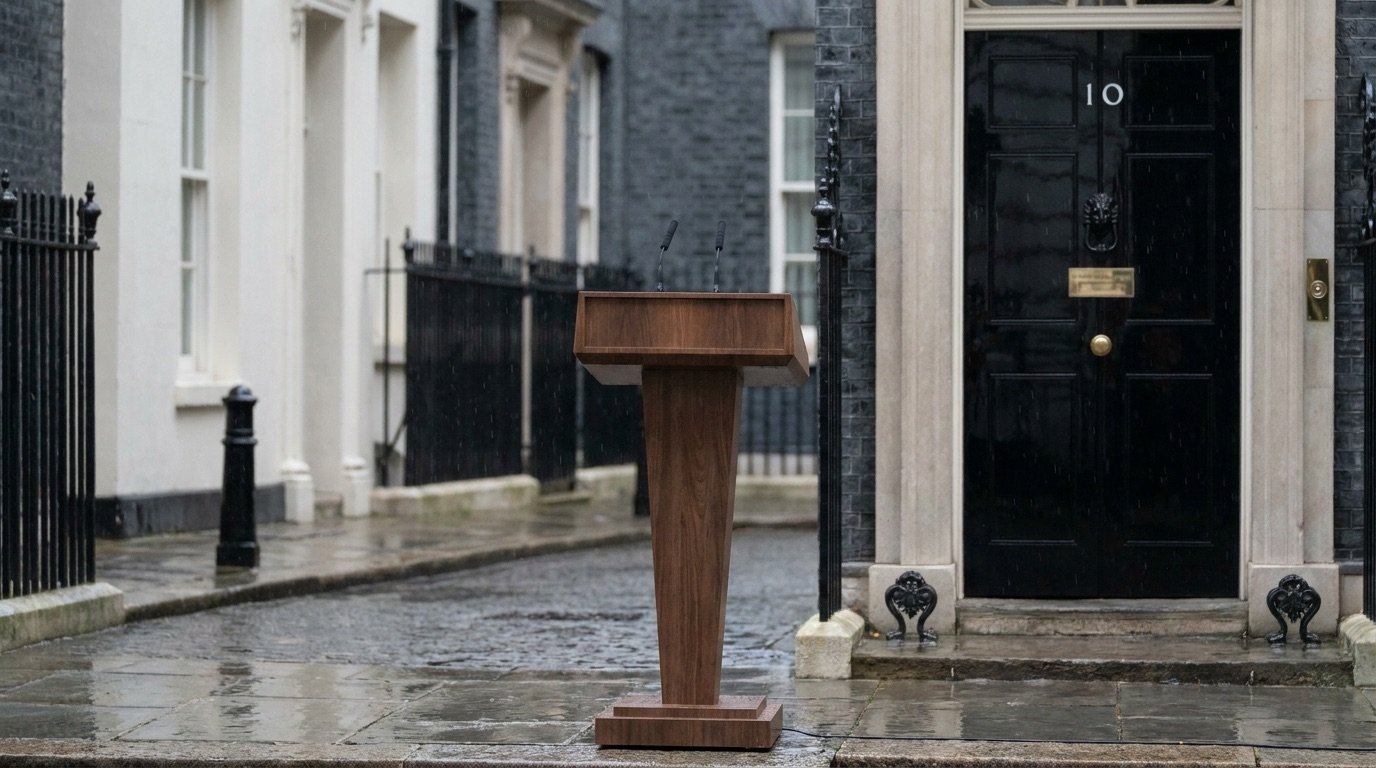
Sir Keir Starmer resigns as Prime Minister, triggering Labour leadership contest
The Prime Minister announced his departure outside Downing Street on Monday morning, ending a turbulent premiership and setting Britain on course for its seventh leader in a decade.