Hospitals Keep Improvising Through Heatwaves — the Plan Has to Come First
Europe's latest extreme heat shows health systems built for an older climate cannot keep writing heatwave plans after the wards are already hot.
Sophie Bennett
Writer ·

What happened
Guardian coverage of Europe's recent extreme heat lands on a deceptively administrative point: hospitals and health systems need heatwave preparation in place before the emergency arrives, not measures cobbled together once patients, staff and buildings are already under stress. The failure pattern it describes is familiar — heat is now a predictable seasonal risk, yet healthcare systems keep responding as though each event were exceptional, with rising admissions, staff working in punishing temperatures and cooling systems never designed for the current climate.
Why it matters
The distinction that matters is between emergency response and resilience. A hospital can hand out water, move patients and ask staff to endure — necessary, but not a solution. Real heat planning happens months and years ahead: building upgrades, cooling strategy, patient-risk mapping, staffing models and clear public communication. Health workers sit at the centre of this, because during extreme heat they are simultaneously responders and exposed workers. A nurse cannot avoid the hottest hours on a full ward, and heat-impaired concentration is not a comfort issue — it is a patient-safety issue. If the people delivering care are overheated and exhausted, the whole system is more fragile.
There is a fairness dimension too. Heat does not strike evenly: older people, infants, the chronically ill and those in poorly insulated housing carry the highest risk, and hospitals are where those vulnerabilities converge. When systems are unprepared, the burden lands hardest on patients with the fewest options — which makes heatwave readiness a matter of public trust as much as logistics. The complication is that healthcare is itself part of the climate equation; the Guardian's framing of low-carbon, climate-resilient facilities is right because adaptation and decarbonisation fail if treated as separate files.
What happens next
The trap the reporting warns against is the cycle in which a heatwave passes and institutions snap back to normal budgets and routine arguments — because the planning window is precisely the quiet period before the next event. Retrofitting buildings, training staff and securing reliable cooling cannot be done mid-crisis. Recent heatwaves striking multiple European countries at once also strengthen the case for coordination: the governance differs from England to Spain, but the core test is the same, and systems can learn from each other's failures before repeating them. The tools are known and the risk is visible; what remains open is whether governments and health leaders act before the next emergency teaches the same lesson again.
Sources: reporting by The Guardian.
The NE Times is an independent news and analysis publisher. Our articles combine factual reporting with clearly-written, impartial analysis. Content is for general information and does not constitute professional advice. Disclaimer.
You may also like to read

France's heatwave death surge turns climate adaptation into a public health test
Deaths rose 29.1% — 2,025 excess deaths — in France's record June heatwave week, exposing how homes, health systems and cities fail in extreme heat.
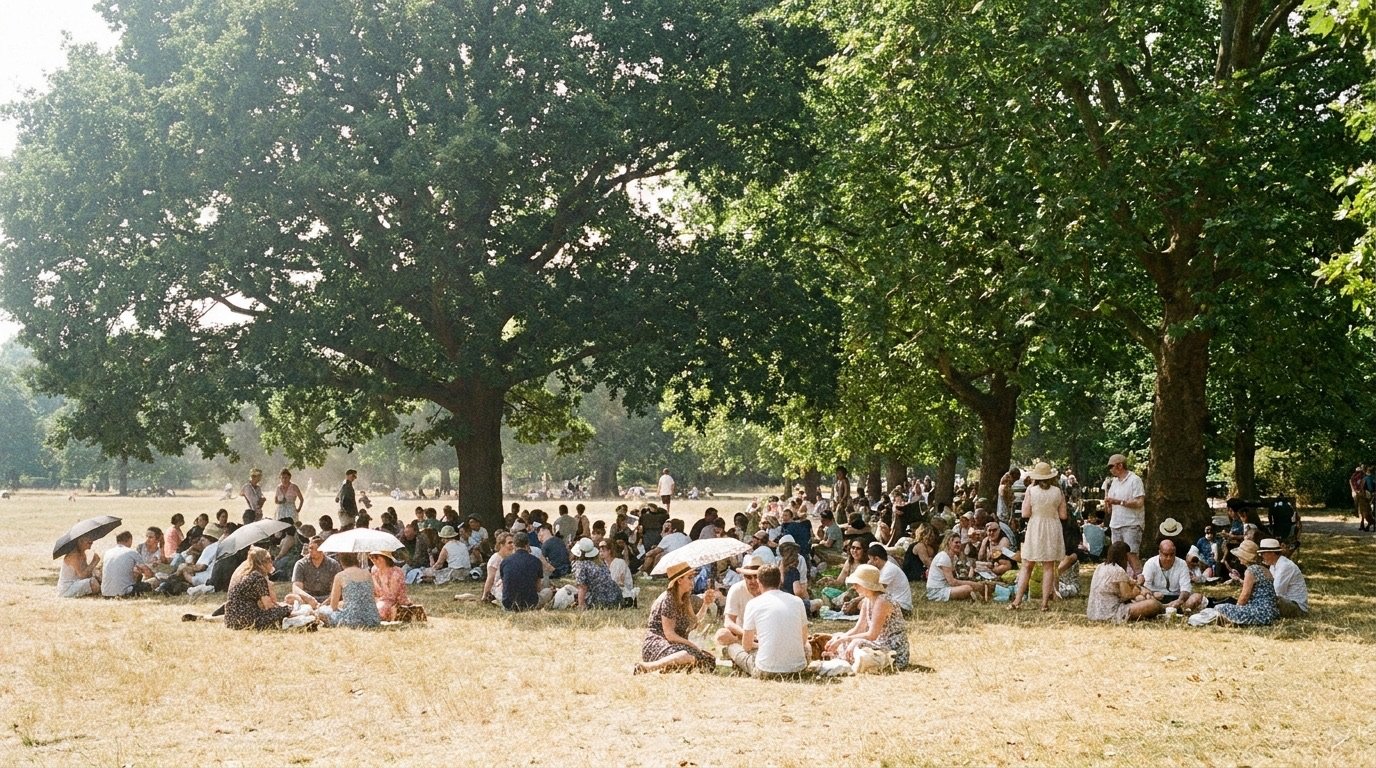
Heat-health alert issued as second heatwave grips southern England
The UK Health Security Agency has warned of health risks across London, the South East and parts of eastern and central England as temperatures climb, with older and unwell people most at risk.
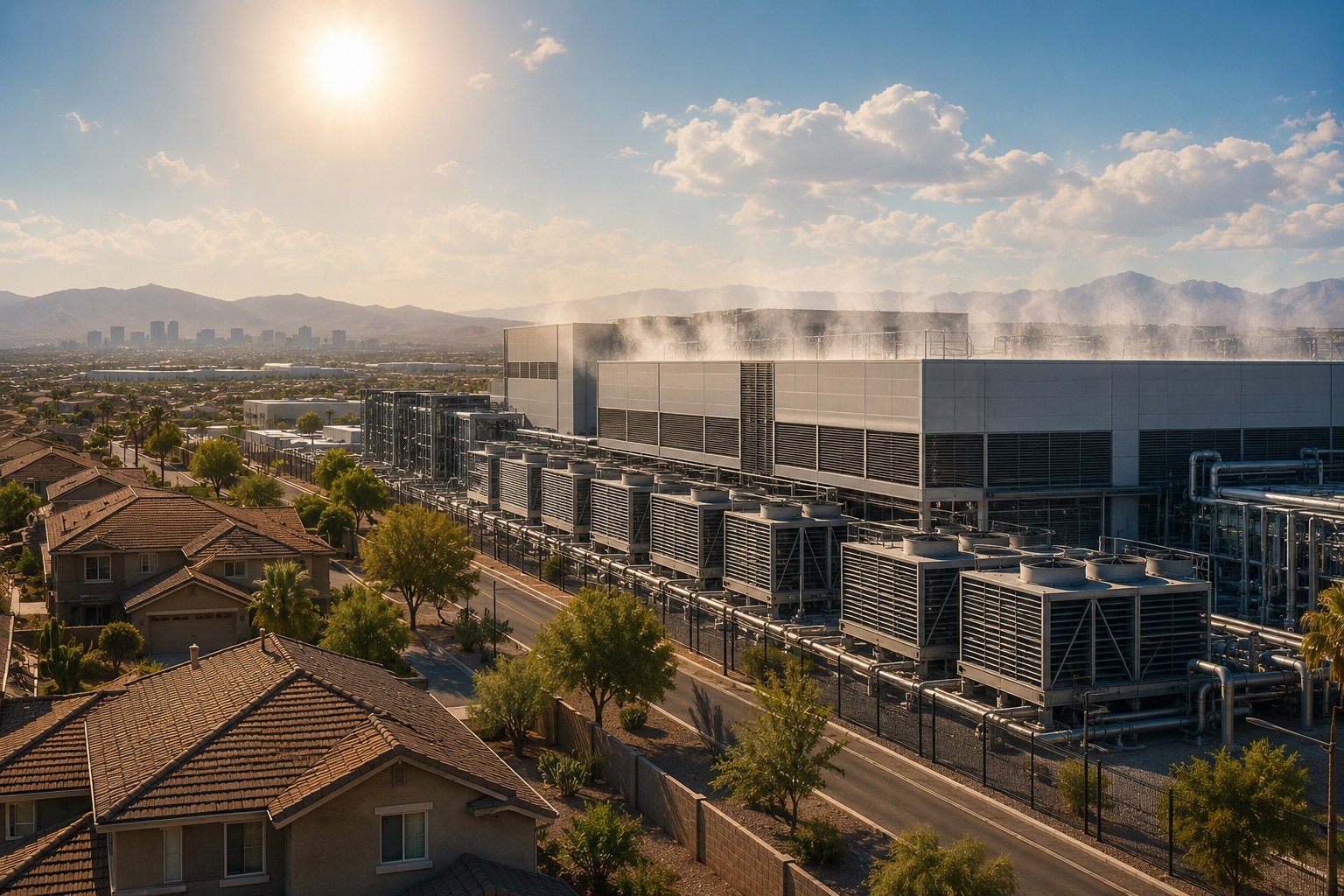
Extreme Heat Is Turning AI Data Centres Into a Street-Level Infrastructure Test
AP reporting from Lowell, Massachusetts shows how heatwaves, generators and neighbourhood pressure are making AI's physical footprint a local political issue.
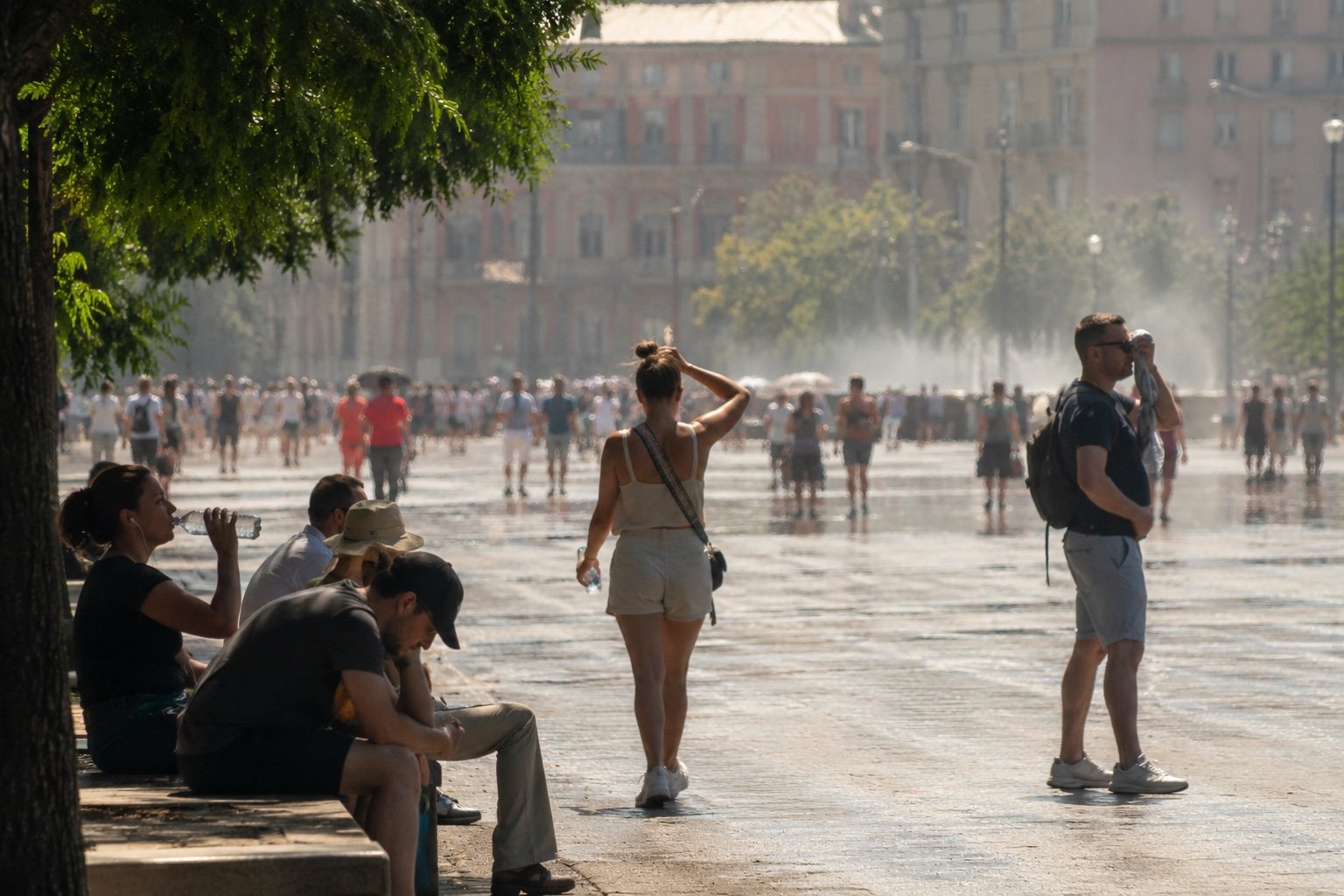
Europe's Heatwave Verdict: Science Says the Climate Has Changed — Now Adaptation Is the Test
A World Weather Attribution study finds Europe's record heat virtually impossible without climate change, shifting the debate from explanation to preparation.