France's heatwave death surge turns climate adaptation into a public health test
Deaths rose 29.1% — 2,025 excess deaths — in France's record June heatwave week, exposing how homes, health systems and cities fail in extreme heat.
Sophie Bennett
Writer ·

France's record June heatwave has left behind a warning harder to dismiss than any temperature chart. Public Health France said deaths rose by 29.1% in the week of 22 to 28 June compared with the week before — 2,025 additional deaths — and cautioned that the preliminary figure is likely to rise as registrations are processed. The Guardian and Le Monde reported the updated numbers, with AFP-backed coverage describing the near-30% surge.
What happened
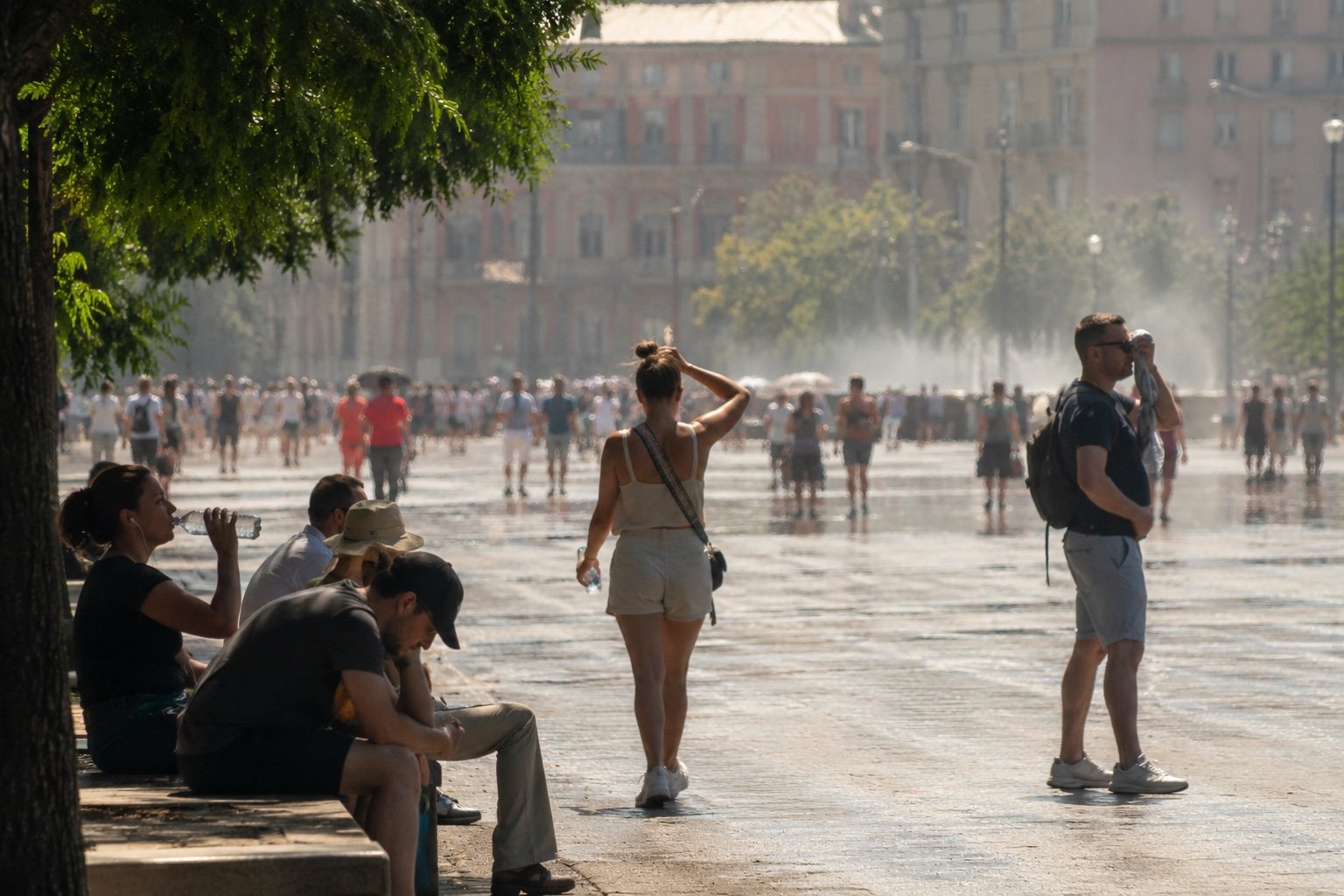
France recorded 8,973 deaths in the heatwave week against 6,948 the week before, with the increase concentrated among people aged 45 and over and especially the over-65s, according to the Guardian's report. Deaths at home rose sharply, and Paris was the worst-affected region in the preliminary data. The heat itself was exceptional: Météo-France logged temperatures above 44C in Pissos and unprecedented highs in cities including Bordeaux, while the Eiffel Tower and the Louvre shortened opening hours. Belgium and the Netherlands also reported excess mortality linked to the same event.
Why it matters
The figures expose the lag between extreme weather and its full social accounting. During a heatwave, attention fixes on records, alerts and closures; mortality data arrives later, quietly, after the hottest days have passed — creating the dangerous illusion that once the weather breaks, the crisis is over. The pattern of harm also points to where protection fails: not primarily in hospitals but in flats, care homes and workplaces. Heat kills through accumulation — a few degrees too many, over too many hours, in rooms never designed for it — which is why heat policy is simultaneously housing, labour, health and urban-planning policy.
The counter-view
Careful reading matters. Excess mortality is an epidemiological measure, not a case-by-case verdict; not every death in the weekly rise is individually proven to be heat-caused. And the cooling debate is genuinely two-sided: Europe's air-conditioning argument pits real concerns about energy demand and emissions against the reality that indoor cooling has become a safety need for vulnerable people. Both concerns are legitimate — the practical question is how fast societies can adapt without locking in new vulnerabilities. But when deaths rise by nearly a third during a record heatwave, the signal is too strong to file as background noise. Repetition across Europe should raise the standard of preparation, not lower the sense of alarm.
What happens next
The final mortality count will likely climb as registrations complete, and the policy test follows immediately: retrofitting homes built for cold winters with insulation, shutters and shade; building heat-risk registers, outreach calls and accessible cooling centres; and treating each heatwave as a recurring public-health emergency rather than a weather anomaly. The next dangerous week will not wait for perfect systems — the value of this data is that it turns an abstract climate warning into a concrete governance test of who is protected and who is missed.
Sources: reporting by The Guardian.
The NE Times is an independent news and analysis publisher. Our articles combine factual reporting with clearly-written, impartial analysis. Content is for general information and does not constitute professional advice. Disclaimer.
You may also like to read

Hospitals Keep Improvising Through Heatwaves — the Plan Has to Come First
Europe's latest extreme heat shows health systems built for an older climate cannot keep writing heatwave plans after the wards are already hot.

Extreme Heat Is Turning AI Data Centres Into a Street-Level Infrastructure Test
AP reporting from Lowell, Massachusetts shows how heatwaves, generators and neighbourhood pressure are making AI's physical footprint a local political issue.
Europe's Heatwave Verdict: Science Says the Climate Has Changed — Now Adaptation Is the Test
A World Weather Attribution study finds Europe's record heat virtually impossible without climate change, shifting the debate from explanation to preparation.

Rising child drownings turn summer water safety into a public health priority
Child drowning deaths have climbed since the pandemic, and doctors say the lesson travels: prevention depends on layers of protection, not one glance.