Ships return to the Strait of Hormuz, but its future remains far from settled
A temporary easing of the US-Iran crisis has tempted more vessels back through the vital chokepoint, yet unresolved questions over mines, tolls and legal rights continue to unsettle energy markets.
Marcus Reeve
Writer ·

More vessels are once again venturing through the Strait of Hormuz following a temporary easing in tensions between the United States and Iran, but the future of the world's most important oil chokepoint remains anything but settled, according to reporting by the Associated Press.
Even as traffic picks up, lingering concerns over mines, tolls, vessel registration and the legal rights of shipping continue to ripple through energy and commodity markets, where any hint of disruption can move prices sharply.
Why the strait matters
A substantial share of the world's seaborne oil passes through the narrow waterway, making it a barometer for global energy security. When passage looks risky, insurers raise premiums, shipowners weigh costly detours and traders price in the threat of supply shocks.
- More ships are transiting the strait after tensions eased.
- Risks around mines and vessel safety have not disappeared.
- Questions persist over tolls, registration and legal rights.
- Energy and commodity markets remain sensitive to any disruption.
Caution despite the calm
The return of traffic should not be mistaken for confidence. Many operators are proceeding cautiously, mindful that a fragile de-escalation could reverse with little warning. The cost of insuring voyages through the region remains a key indicator of how the market reads the risk.
“Ships are moving again, but nobody is treating this as a return to normal. The underlying uncertainty has not gone away.”
Background
The Strait of Hormuz, which links the Gulf to the Arabian Sea, has long been a geopolitical pressure point, with periodic threats to close or disrupt it sending tremors through global markets. Its strategic value means that even localised incidents carry outsized consequences for energy prices worldwide.
What happens next: shipowners, insurers and traders will be watching the durability of the US-Iran truce closely, with the pace of returning traffic and the level of war-risk premiums likely to signal whether confidence in the route is genuinely recovering.
Sources: reporting by AP News.
The NE Times is an independent news and analysis publisher. Our articles combine factual reporting with clearly-written, impartial analysis. Content is for general information and does not constitute professional advice. Disclaimer.
You may also like to read
Iran farmer claims deepen dispute over frozen assets in fragile US deal
A row over food, sanctions and unfrozen money has complicated America's tentative interim agreement with Tehran, with Washington and Iran clashing over how released assets should be spent.
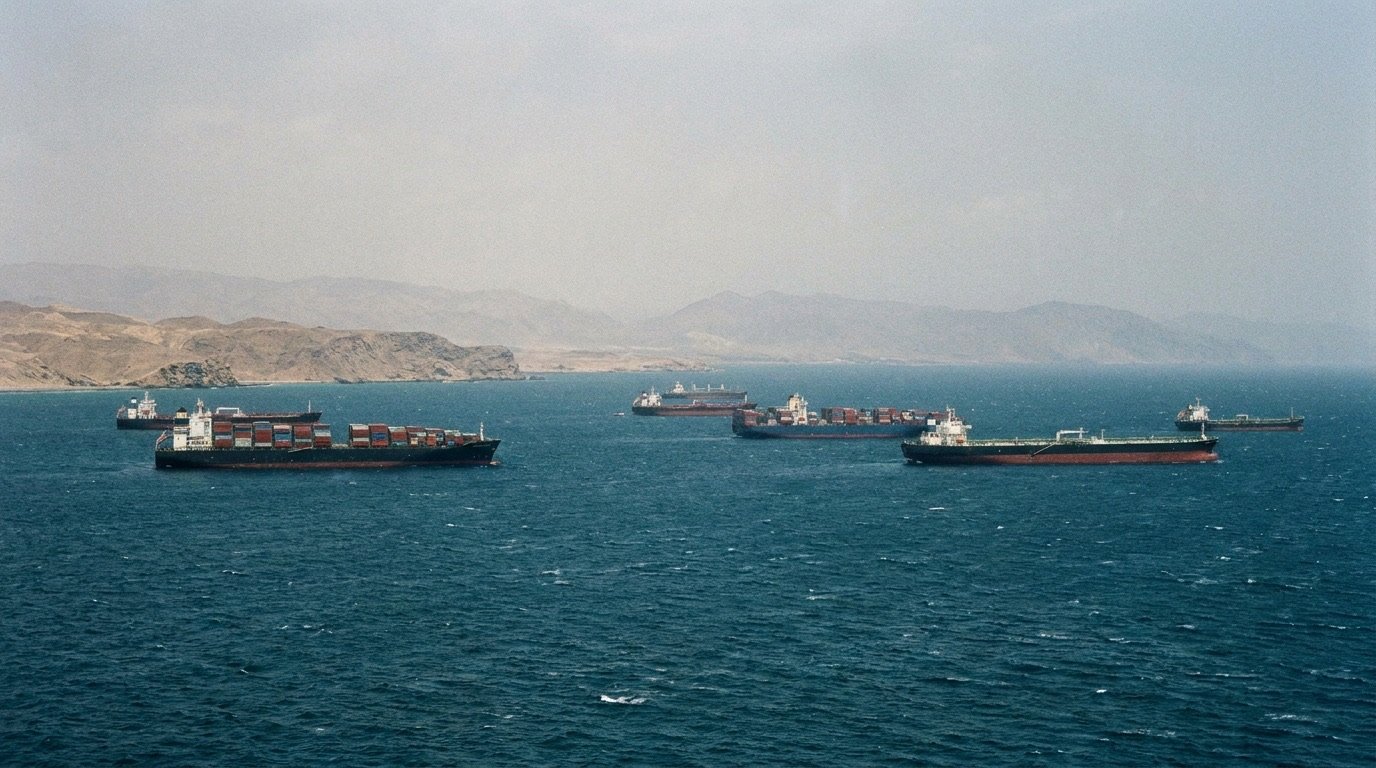
Iran and US agree memorandum to end war and reopen Strait of Hormuz
Mediators say a 14-point understanding, due to be signed in Switzerland, would end more than 100 days of fighting, lift the US naval blockade and extend a ceasefire that reaches into Lebanon.

Khamenei's Funeral Turns National Mourning Into a Test of Iran's Political Continuity
Iran's state funeral for Ayatollah Khamenei is more than ceremony: a managed display of continuity amid war, succession doubt and fragile diplomacy.
Senate Rebukes Trump Over Iran War Powers In Rare Bipartisan Vote
The US Senate passed a war powers resolution limiting military action against Iran by 50-48, with several Republicans crossing the aisle.