Healey quits as Defence Secretary in protest at military spending settlement
John Healey accused the Prime Minister and Treasury of failing to fund the armed forces adequately, in a resignation that deepened Labour's crisis.
Eleanor Whitfield
Writer ·
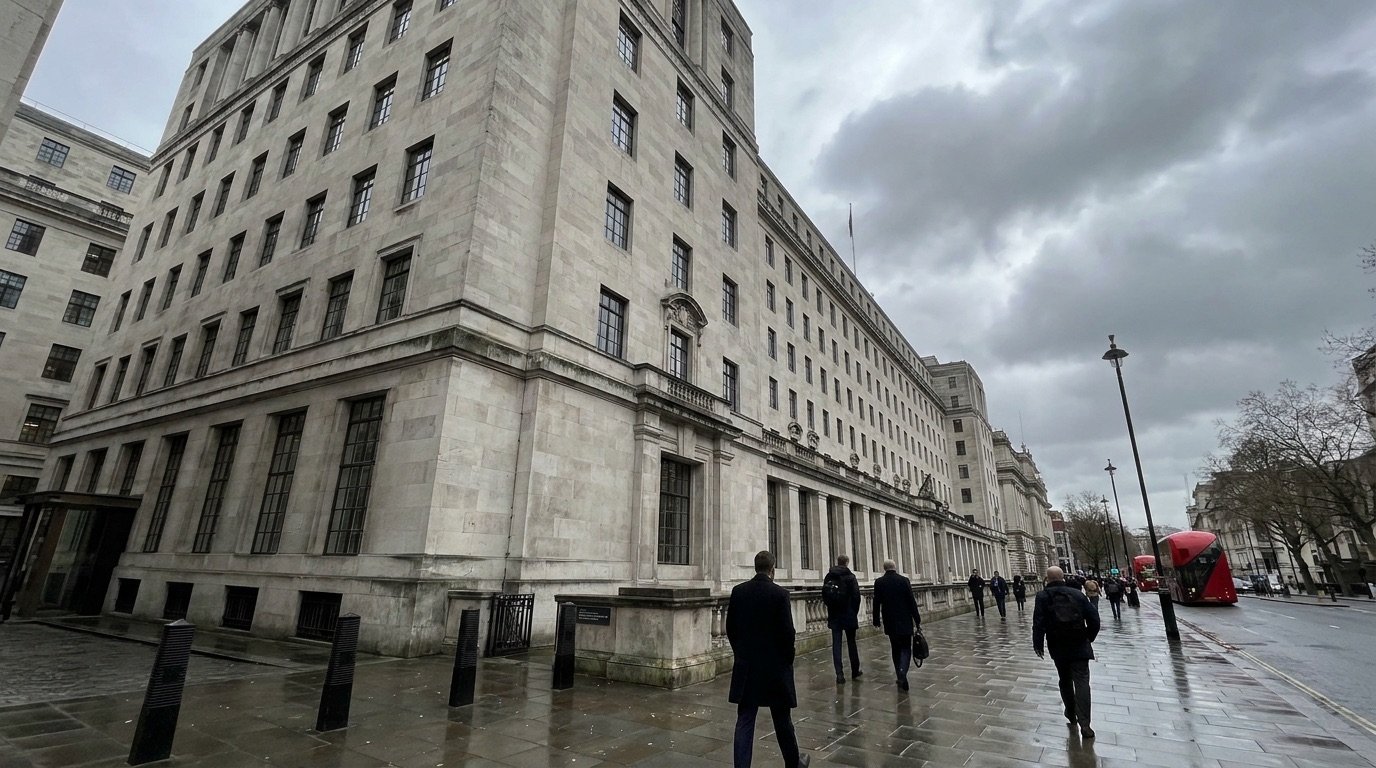
John Healey resigned as Defence Secretary on 11 June, delivering one of the most damaging blows yet to Sir Keir Starmer's premiership and exposing a deep rift at the heart of government over how much Britain should spend on its armed forces.
In his resignation letter, Healey said the financial settlement he had been offered fell well short of what the country needed at a time of rising threats, and argued that it would ultimately reduce the readiness of the armed forces. His departure was followed within hours by that of the Armed Forces Minister and a parliamentary aide, turning a single resignation into a coordinated protest over defence funding.
The row over the numbers
The dispute centred on the government's long-awaited Defence Investment Plan and how quickly spending should rise. Healey had pressed for a faster increase than the Treasury was willing to fund, with the settlement reportedly lifting outlays to around 2.68 per cent of national income but increasing only marginally before the end of the decade.
Defence chiefs and Healey himself argued that figure left Britain short of internal ambitions and of the trajectory expected by NATO allies, who have committed to a long-term target of 5 per cent of GDP on national security and defence by 2035, split between core military spending and wider resilience. The slow pace of the planned increase, Healey suggested, would leave the armed forces struggling to modernise equipment and maintain readiness against a more dangerous strategic backdrop.
The dispute touched on some of the hardest trade-offs in government. The Treasury has been determined to hold the line on the public finances, while the Ministry of Defence has pointed to the war in Ukraine, instability across several regions and the demands of allies as reasons to spend more, sooner. With limited headroom in the budget, those competing pressures collided directly over the investment plan.
“The Prime Minister has been unable, and the Treasury unwilling, to commit the resources that the nation needs to defend the country at this time of rising threats.”
— John Healey, in his resignation letter
A coordinated departure
What made the resignation especially potent was that it did not stand alone. The Armed Forces Minister, Al Carns, a former Royal Marine, also stepped down, as did a parliamentary private secretary. The cluster of departures signalled that the unease over funding ran deeper than one minister's personal judgement.
Snap polling in the aftermath suggested the public sympathised with Healey's stance. One survey found that, by a wide margin, voters believed he had been right to resign over the level of defence spending rather than remain in post.
- Healey resigned on 11 June, citing inadequate funding for the armed forces
- Armed Forces Minister Al Carns and a parliamentary private secretary resigned the same day
- The settlement reportedly raised defence spending only marginally before 2030
- NATO allies have agreed a long-term goal of 5 per cent of GDP on defence and security by 2035
- Snap polling suggested most Britons backed the decision to resign
Background
The defence funding standoff had been building for months, with the Ministry of Defence and the Treasury locked in talks over how to reconcile rising military demands with tight public finances. The resignation landed at a delicate moment, ahead of a NATO summit and a clutch of by-elections, and against the backdrop of a broader leadership crisis engulfing the Prime Minister.
Healey, a long-serving figure on Labour's front bench, had been regarded as a steady pair of hands at the Ministry of Defence. His willingness to walk away therefore carried particular weight with colleagues who had stayed loyal through earlier turbulence. Unlike resignations driven by personal scandal or ambition, his was rooted in a policy disagreement, which made it harder for the government to dismiss and lent it added credibility with the public.
The departure also handed political ammunition to the opposition and to Reform UK, both of which seized on it as evidence of a government unable to settle its own priorities. Defence has traditionally been an area where ministers seek to project unity and competence, making a public split over funding especially uncomfortable for Downing Street.
What it means
The resignation forced an immediate reshuffle and reopened questions about the government's spending priorities at a time when ministers are trying to project stability. For Starmer, the challenge is to reassure allies abroad that Britain remains a dependable defence partner while managing a restive parliamentary party at home. The new ministerial team inherits both an unresolved funding question and a politically charged debate that is unlikely to subside soon.
Sources: reporting by Bloomberg.
The NE Times is an independent news and analysis publisher. Our articles combine factual reporting with clearly-written, impartial analysis. Content is for general information and does not constitute professional advice. Disclaimer.
You may also like to read

A Cabinet hollowed out: Jarvis takes Defence as Starmer patches a depleted top team
After a wave of resignations stripped the government of senior figures, Dan Jarvis has been handed Defence as the caretaker prime minister tries to keep his Cabinet functioning.

Starmer names Dan Jarvis Defence Secretary in rapid reshuffle after revolt
The former Parachute Regiment officer takes over a department engulfed in a funding row as the Prime Minister moves to steady his government.

NATO diplomacy tested by Iran war fallout
Summit preparations and senior officials' remarks place defence spending, Middle East instability and transatlantic cohesion under the same spotlight.
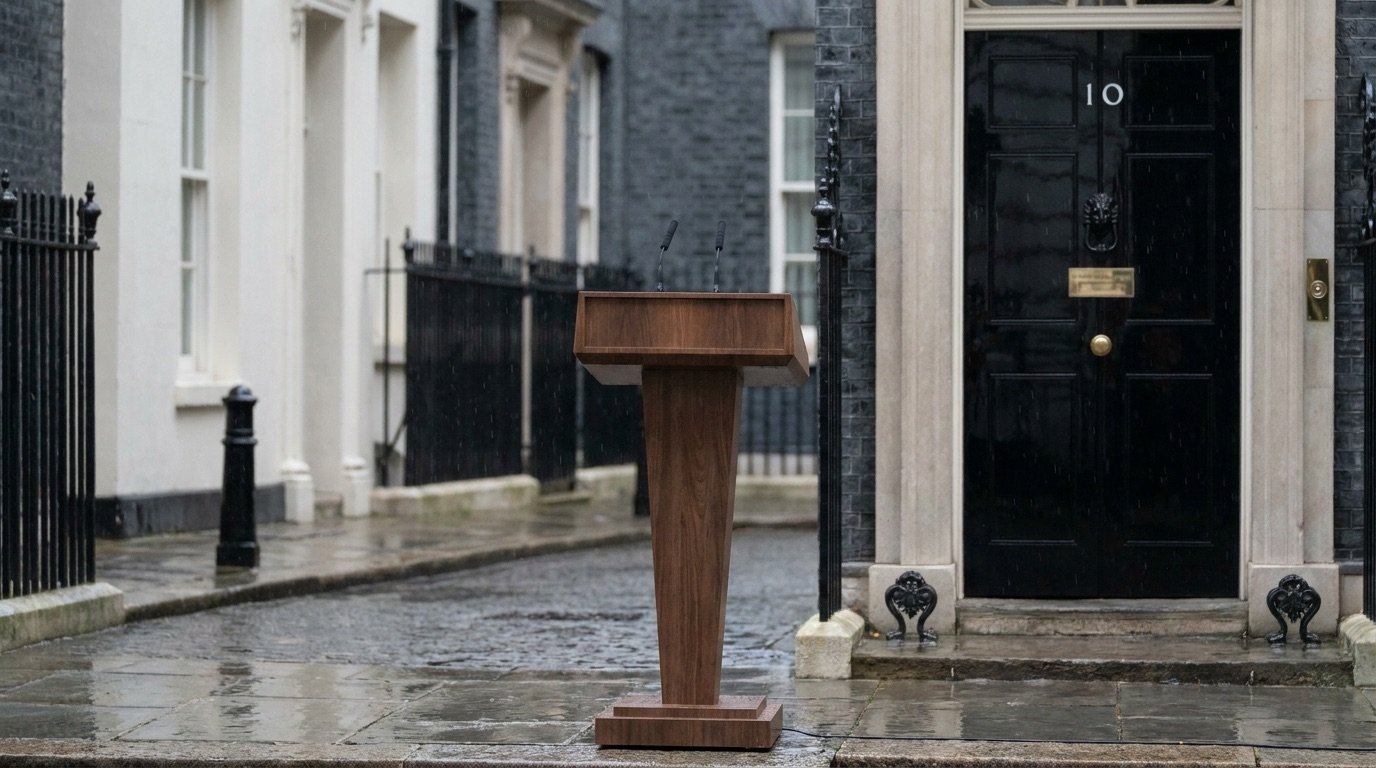
Sir Keir Starmer resigns as Prime Minister, triggering Labour leadership contest
The Prime Minister announced his departure outside Downing Street on Monday morning, ending a turbulent premiership and setting Britain on course for its seventh leader in a decade.