MenB jab to be offered to school leavers and new students after Kent outbreak
Health officials have announced a one-off MenB vaccination drive for Year 13 pupils and young people starting university this autumn, following a meningitis outbreak in Kent.
Sophie Bennett
Writer ·
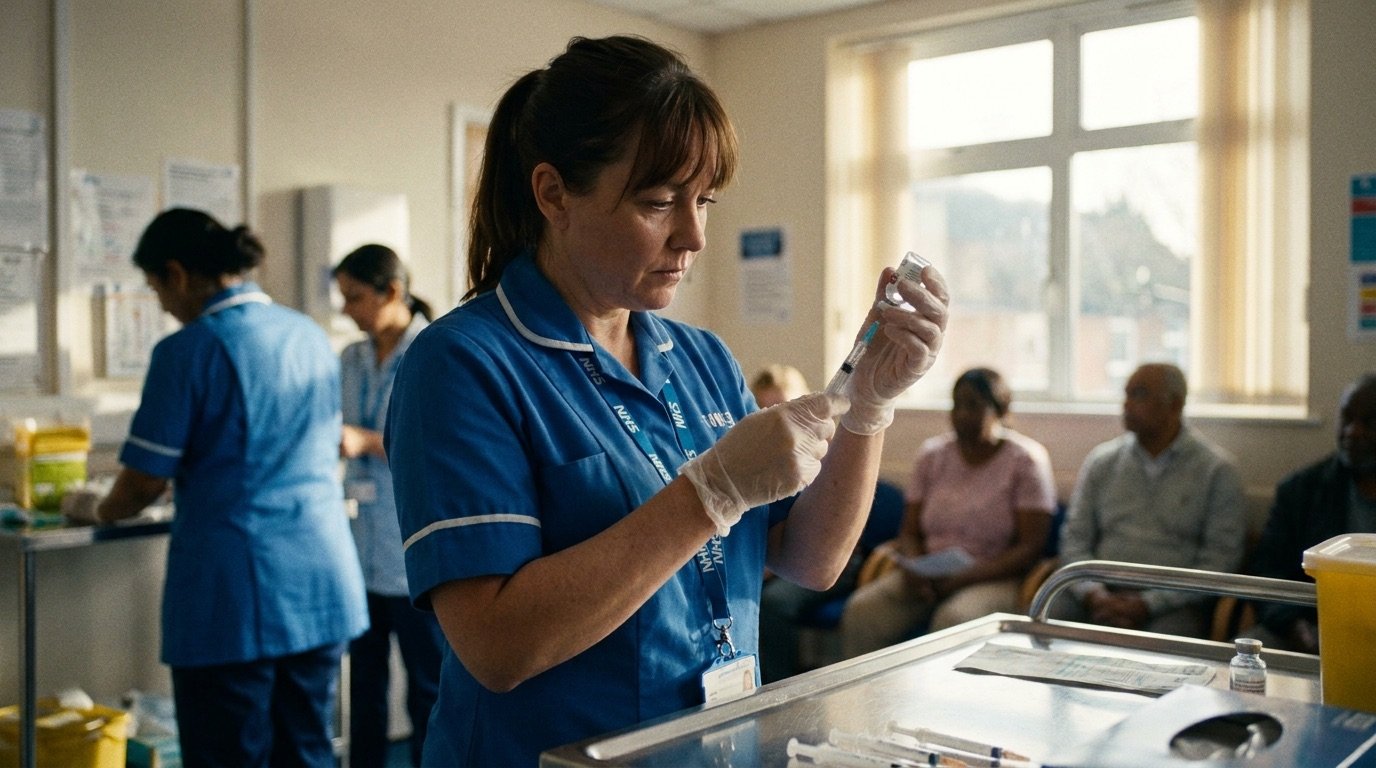
Thousands of young people in England are to be offered a meningitis B vaccine ahead of the new academic year, in a one-off programme announced by health officials in response to a rise in cases. The scheme will cover all Year 13 pupils, along with under-25s starting university or residential further education for the first time.
Eligible young people are those born between 1 September 2007 and 31 August 2008. The vaccine requires two doses given at least four weeks apart, with the first offered from late July and the second in August, in time for the start of term. The timing is designed to ensure that students are protected before they move into the close-contact settings of university halls and shared accommodation.
Young people moving into higher education and residential study are considered at heightened risk of meningococcal disease, in part because mixing with large numbers of new people in confined living spaces creates conditions in which the bacteria can spread more readily. The programme is intended to head off that risk at one of the most vulnerable points in a young person's life.
Response to the Kent outbreak
The decision follows a MenB outbreak in Kent earlier this year, which officials described as the fastest growing and largest of its kind seen in the UK. The cluster prompted close monitoring by public health teams and underlined concerns about a possible shift in the pattern of the disease among young people.
A wider review of the evidence by the Joint Committee on Vaccination and Immunisation is under way. The independent body advises UK health departments on immunisation policy, and its assessment will help determine whether a more permanent change to the vaccination schedule is warranted beyond this one-off drive.
Health Secretary James Murray said the Kent outbreak and recent clusters indicated a possible change in the way MenB was affecting people. Dr Thomas Waite, Deputy Chief Medical Officer, stressed that both doses were needed for maximum protection, urging eligible young people not to assume that a single jab would be sufficient.
Why meningitis is so serious
Meningococcal disease can develop rapidly and, in its most severe forms, can lead to meningitis and blood poisoning that prove fatal or leave survivors with lasting disability. Early symptoms can resemble more common, milder illnesses, which is part of what makes the disease so dangerous, as crucial time can be lost before treatment begins.
Public health officials have long emphasised the importance of awareness alongside vaccination, encouraging young people and those around them to seek urgent medical help if warning signs appear. Vaccination offers a powerful layer of protection, but recognising symptoms quickly remains vital.
“Both doses are needed for the fullest protection, and we are urging every eligible young person to come forward and complete the course before term begins.”
— A senior public health official on the rollout
Where to get vaccinated
NHS England's director of vaccination, Caroline Temmink, said the health service was ready to deliver the programme, with appointments available at community pharmacies from the end of July. The use of pharmacies is intended to make the jab as accessible as possible for a cohort that may be juggling exams, summer jobs and preparations for moving away from home.
International students under 25 are advised to seek a first dose in their home country where possible, allowing them to begin the course before arriving in the UK. Those who cannot do so will be able to access the programme once they take up their place, ensuring that newcomers from overseas are not left without protection.
- Who is eligible: all Year 13 pupils and under-25s starting university or residential further education for the first time, born between 1 September 2007 and 31 August 2008
- Schedule: two doses at least four weeks apart, with the first from late July and the second in August
- Where: appointments available at community pharmacies from the end of July
- Trigger: a fast-growing MenB outbreak in Kent earlier this year
- Advice for overseas students: seek a first dose in the home country where possible
What happens next
With the first doses due to begin from late July, health officials will be watching uptake closely and pressing eligible young people to complete both doses before the start of term. The wider review by the Joint Committee on Vaccination and Immunisation will be pivotal in deciding whether the temporary programme points the way towards a lasting change in national policy. For now, the message from public health teams is straightforward: those who qualify should come forward, complete the course and help limit the spread of a disease that can move with frightening speed.
Sources: reporting by GOV.UK.
The NE Times is an independent news and analysis publisher. Our articles combine factual reporting with clearly-written, impartial analysis. Content is for general information and does not constitute professional advice. Disclaimer.
You may also like to read

One million young people offered MenB jab after deadly meningitis outbreaks
Year 13 pupils and new students will be offered a two-dose meningitis B vaccine from late July, in an emergency programme launched after the UK's largest and fastest-growing MenB outbreak.

Covid vaccine study published after CDC journal block
A Covid-19 vaccine study blocked from a CDC journal has appeared elsewhere, reviving debate over scientific transparency and politically sensitive research.
Health officials urge MMR catch-up as measles cases climb
The UK Health Security Agency has warned that falling childhood vaccination rates are leaving communities exposed, after a rise in measles cases across several regions.
Lucknow building fire kills 14, most of them students, and reopens questions over safety enforcement
A blaze in a crowded commercial premises in northern India left at least 14 dead and forced firefighters to break through a rear wall amid heavy smoke, renewing scrutiny of exits and building rules.