Pope Leo XIV honours migrants who died at sea on first papal visit to the Canary Islands
Closing a week-long trip to Spain, Pope Leo XIV laid a floral tribute to those lost on the Atlantic crossing and urged Europe not to grow numb to deaths at sea.
Marcus Reeve
Writer ·
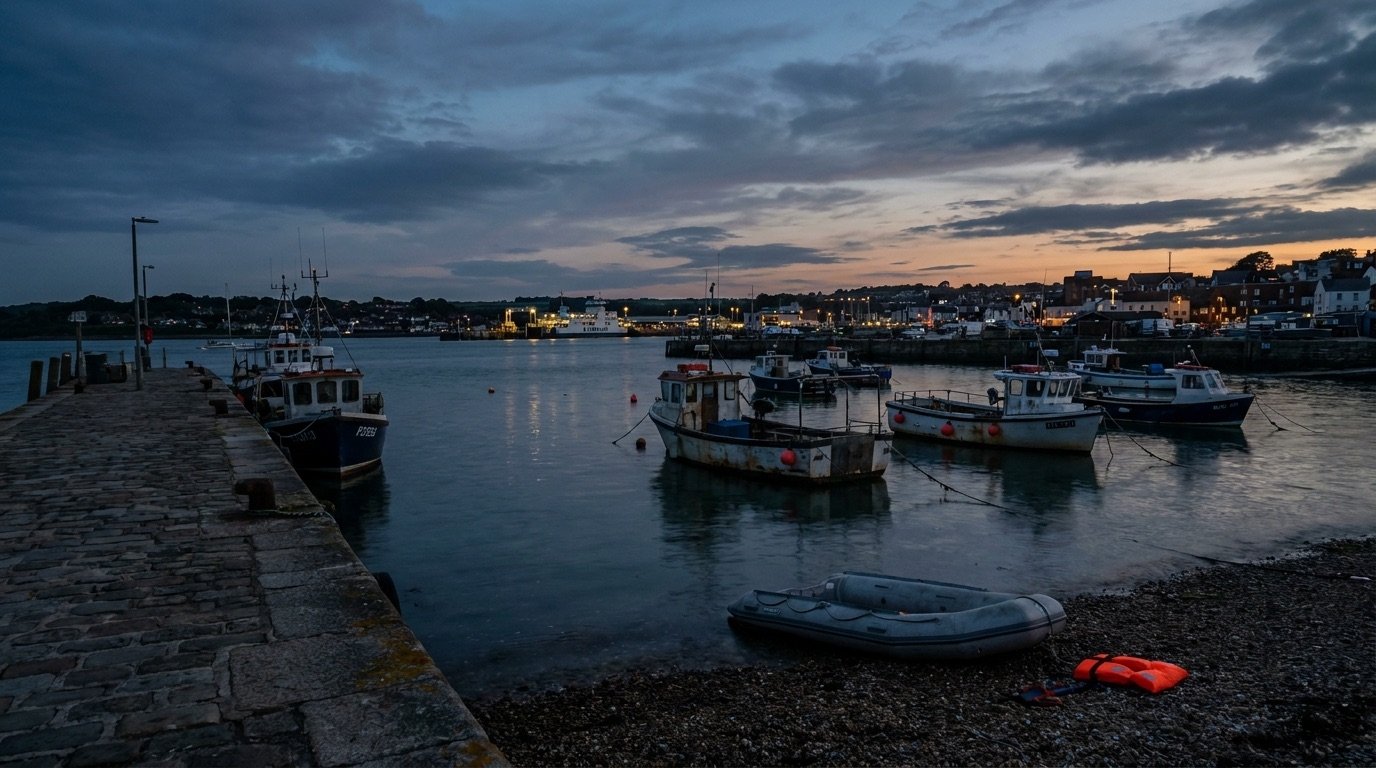
Pope Leo XIV has made the first papal visit to Spain's Canary Islands, using the occasion to honour migrants who have died attempting the perilous Atlantic crossing and to call for a more humane response to the migration crisis. The visit placed one of Europe's most dangerous migration routes at the centre of the global Church's attention.
Arriving on the island of Gran Canaria, the pontiff visited the port of Arguineguin, a site that became a symbol of Europe's struggle to manage irregular arrivals, where he laid a floral offering in memory of those who drowned at sea. The choice of location was deliberate, anchoring his message in a place that has witnessed both rescue and tragedy.
The Canary Islands sit off the coast of north-west Africa and have become a key destination for migrants making the long and treacherous journey by sea, often in overcrowded and unseaworthy boats. The route is among the deadliest in the world, and the islands have repeatedly found themselves at the sharp end of Europe's migration debate.
'Human dignity has no passport'
He later celebrated an open-air Mass at the Gran Canaria Stadium before a crowd of around 40,000 people. The service drew worshippers from across the islands and beyond, and gave the Pope a platform to develop his appeal for compassion towards those who undertake such dangerous journeys.
The visit fulfilled a wish of his predecessor, Pope Francis, who died in April 2025 before he was able to make the journey himself. Francis had made the plight of migrants a defining theme of his papacy, and Leo XIV's pilgrimage to the Canaries was widely seen as a continuation of that legacy.
“Human dignity has no passport.”
— Pope Leo XIV
Warning that the Mediterranean and the Atlantic risk becoming cemeteries without gravestones, the Pope called for greater international cooperation on migration and a renewed effort to dismantle the networks that profit from human trafficking. He framed the crisis as a moral test for Europe as much as a political or logistical one.
A route marked by tragedy
The Atlantic crossing to the Canary Islands has claimed the lives of large numbers of people in recent years. Many set off from points along the West African coast in small wooden vessels, facing strong currents, unpredictable weather and journeys that can last for days, often without adequate food, water or navigation.
Aid organisations have repeatedly warned that the true death toll is likely far higher than official figures suggest, because many boats vanish without trace and are never recorded. For the communities of the Canary Islands, the arrivals have brought both humanitarian challenges and a profound sense of the human cost of the crisis playing out on their shores.
- First papal visit to the Canary Islands
- Floral tribute laid at the port of Arguineguin
- Open-air Mass celebrated before around 40,000 people
- Visit fulfilled a wish of the late Pope Francis
- Atlantic route ranks among the deadliest migration crossings
Background: the Church and migration
Care for migrants and refugees has been a central concern of the Catholic Church in the modern era. Pope Francis made it a signature issue, repeatedly urging wealthy nations to welcome those fleeing poverty, conflict and persecution, and criticising what he called a globalisation of indifference towards human suffering.
By choosing the Canary Islands for one of his early high-profile journeys, Pope Leo XIV signalled his intention to keep migration at the heart of the Church's social teaching. His remarks echoed the language of his predecessor while seeking to galvanise renewed attention on a crisis that has, at times, slipped down the international agenda.
What it means
The visit is unlikely to change policy overnight, but it carries considerable symbolic weight. Papal interventions can shape public debate and put moral pressure on governments, particularly within predominantly Catholic countries that are on the front line of migration into Europe.
For the people of the Canary Islands, and for the families of those lost at sea, the Pope's tribute offered recognition of a tragedy that often unfolds far from the world's gaze. Whether it translates into a more coordinated and humane European response remains to be seen, but it has ensured that the deaths on the Atlantic route, at least for now, will not pass unremarked. The visit also set an early marker for the priorities of a still-young pontificate, suggesting that the new Pope intends to use the moral authority of his office to keep the suffering of migrants firmly in the public eye, even where the political appetite to address it is limited.
Sources: reporting by Euronews.
The NE Times is an independent news and analysis publisher. Our articles combine factual reporting with clearly-written, impartial analysis. Content is for general information and does not constitute professional advice. Disclaimer.
You may also like to read
Southern Europe's wildfires are stress-testing the continent, not just its firefighters
Simultaneous blazes in Portugal, Greece and Spain — 12,000 hectares burned near Vouzela, toxic smoke near Thessaloniki — test Europe's shared capacity.

Spain make statement with 4-0 win over Saudi Arabia as Yamal shines
Lamine Yamal inspires a fast start as the European champions answer an opening draw, strengthening their case as World Cup favourites.

When Confidentiality Feels Like a Gag: Australia's Parliamentary Watchdog Under Scrutiny
A staffer's account of jail-threat confidentiality warnings puts Australia's parliamentary complaints body — and workplace reform everywhere — to the test.
The Brooklyn Bridge Fire Shows What Civic Spectacle Really Depends On
A fireworks malfunction set the Brooklyn Bridge alight during America's 250th Independence Day show — a test of the invisible systems behind celebration.