More Than 500 Rohingya Feared Dead in Bay of Bengal: What Is Known About the Reported Boat Disaster
More than 500 Rohingya are feared dead after two boats reportedly sank in the Bay of Bengal. What is known, why verification is hard, and the sea-route toll.
World Affairs Editor ·
Why it's trending
A reported disaster with more than 500 people feared dead is a major humanitarian story that highlights the deadly sea routes taken by Rohingya refugees.
Reports of an immense loss of life
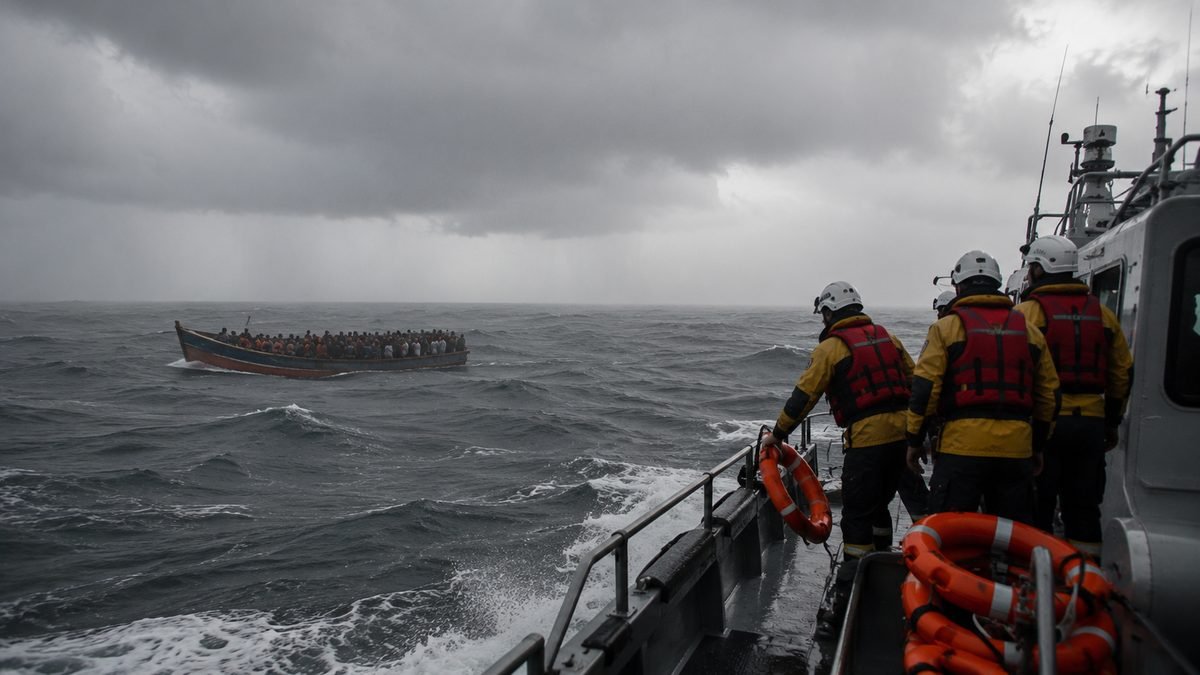
More than 500 people are feared dead after reports that two boats carrying mostly Rohingya passengers capsized or disappeared in the Bay of Bengal. The International Organization for Migration and the UN Refugee Agency said the available information was preliminary and that the incidents and casualty figures had not been officially confirmed. That uncertainty must remain central to coverage: this is a feared disaster supported by serious reports, not yet a fully verified passenger list and death toll.
According to the agencies' account, both boats left Myanmar's western Rakhine State in late June. One, believed to be carrying around 250 people, lost contact shortly after departure. A second, reportedly carrying about 280, is believed to have sunk off the Ayeyarwady coast on 8 July. Some passengers may have travelled from refugee camps in neighbouring Bangladesh before attempting the sea journey.
Why verification is so difficult
Maritime disasters involving irregular migration frequently occur without manifests, tracking systems or immediate official reports. Families may receive fragments of information from smugglers, survivors or community networks. Authorities in conflict-affected areas can be inaccessible or unwilling to cooperate. Weather and distance complicate search operations, while the passage of time reduces the chance of finding survivors and physical evidence.
Numbers can therefore change as agencies compare missing-person reports, departure information and witness accounts. Responsible reporting uses terms such as 'feared dead', 'reported' and 'believed' until confirmation improves. It should not convert estimates into certainty for the sake of a stronger headline. At the same time, uncertainty must not become an excuse to ignore a possible tragedy of enormous scale.
Who the Rohingya are
The Rohingya are a predominantly Muslim ethnic minority from Myanmar who have faced decades of discrimination, restrictions on movement and denial of citizenship. Military operations in 2017 drove hundreds of thousands into Bangladesh amid killings, sexual violence and burned villages. The United States has described that campaign as genocide. Around 1.2 million stateless Rohingya now live in overcrowded camps in Bangladesh, while those remaining in Myanmar continue to face severe restrictions and conflict.
Return has remained unsafe and politically unresolved. Camp residents have limited employment and education opportunities, and aid cuts have increased pressure on food and services. In Rakhine, fighting between Myanmar's military and the Arakan Army has created new dangers. These conditions help explain why people risk routes that are widely known to be deadly. The decision to board an unsafe boat is often made in a context where every available option feels dangerous.
The monsoon makes the journey even more dangerous
Rohingya departures by sea often rise during calmer months. The reported boats left during the monsoon, when torrential rain, high seas and flooding make the Bay of Bengal particularly hazardous. Overloaded wooden vessels may have inadequate engines, navigation equipment, lifejackets, food or water. Smuggling networks can abandon passengers or change routes to avoid interception.
The intended destination is frequently Malaysia or Indonesia, reached through long journeys across the Bay of Bengal and Andaman Sea. Regional search-and-rescue coverage is uneven, and boats in distress have sometimes been pushed away or left without assistance. International maritime obligations and basic humanitarian principles require rescue of people in danger at sea, regardless of nationality or migration status. In practice, delayed coordination can cost lives.
A route with a worsening death toll
UNHCR says more than 6,500 Rohingya fled by boat in 2025 and nearly 900 were reported dead or missing, making it the deadliest year for this movement and giving the route the highest mortality rate among major refugee and migrant sea journeys. The new reported disaster could make 2026 even more devastating. Each figure represents people whose families may never receive clear answers or recover remains.
Enforcement against traffickers is necessary but insufficient. When safe pathways are absent and camp conditions deteriorate, demand for dangerous journeys continues. Policies that focus only on stopping boats can push routes further offshore or into worse weather. A credible response requires protection in countries of first refuge, sustained humanitarian funding, legal resettlement options, regional rescue coordination and pressure for conditions that allow voluntary, safe return to Myanmar.
What the international community must do next
The immediate priorities are to verify the reports, identify any survivors, collect missing-person information and coordinate search efforts where there remains a reasonable possibility of rescue or recovery. Agencies also need access to affected communities so families can report relatives without fear. Governments in the region should share maritime and intelligence information and investigate the networks that arranged the voyages.
The longer-term response is more difficult. Bangladesh cannot be expected to carry responsibility for more than a million refugees without reliable international support. Aid reductions can translate directly into smaller food rations, fewer services and greater desperation. Myanmar's political and military crisis continues to block a safe solution. The feared deaths in the Bay of Bengal are therefore not an isolated accident. They are the possible consequence of prolonged persecution, statelessness, conflict and a failure to create lawful routes to safety. Until those root causes are addressed, desperate families are likely to remain exposed to smugglers, dangerous weather and inadequate rescue systems.
Sources & verification
- Associated Press - More than 500 Rohingya feared dead
- UNHCR - Rohingya emergency
- IOM - Rohingya response
Filed under World · Written by Marcus Reeve
You may also like to read