In Venezuela's earthquake zone, families digging by hand become the measure of the response
As the toll from Venezuela's twin earthquakes climbs, families searching rubble in La Guaira have become the starkest test of the official relief effort.
Marcus Reeve
Writer ·
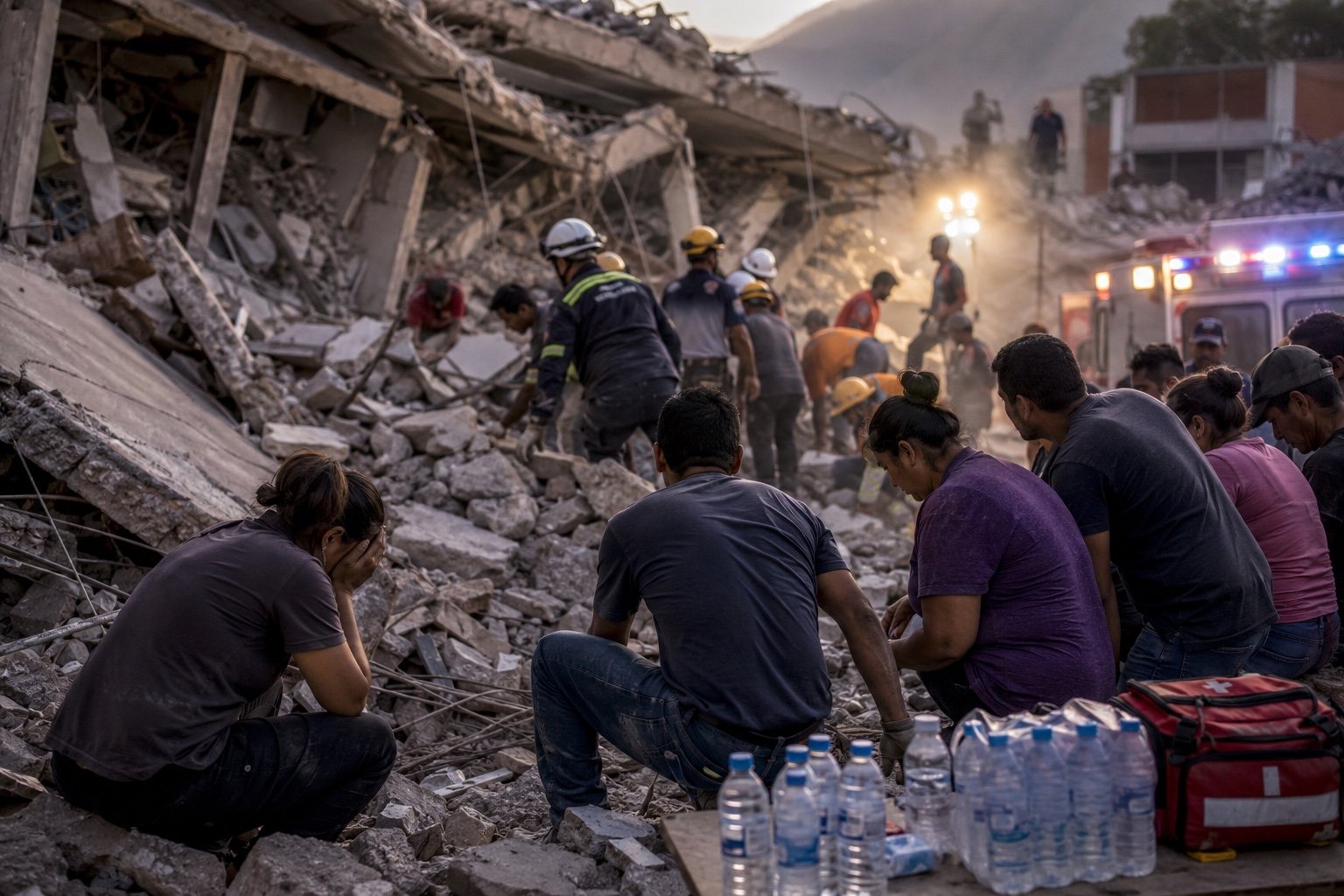
Days after back-to-back earthquakes struck northern Venezuela, the defining image of the disaster is no longer the tremor itself but the people it left behind: relatives clawing at collapsed concrete in La Guaira with hammers, bare hands and borrowed tools, searching for family members the official rescue effort has not yet reached. The Associated Press reports that the death toll has risen sharply, thousands are injured, and many remain unaccounted for, while residents in some of the worst-hit coastal communities say organised rescue teams were too thin on the ground during the first, most critical days.
What happened
The twin quakes hit a densely populated stretch of coast close to Caracas, flattening homes in communities where a single collapsed building can bury an extended family. AP reporting describes anxious relatives contending with blocked roads, checkpoints and patchy information as they tried to reach devastated neighbourhoods, and international rescue and humanitarian support beginning to arrive as the authorities sought to control access to the disaster zone. In the window when buried survivors might still be reachable — usually put at 48 to 72 hours — many families concluded that waiting for help was not an option, and started digging themselves.
Why it matters
When ordinary people become first responders, it is tempting to read the scenes as resilience. In truth they are evidence of a gap between need and capacity, and that gap is now the central political fact of this disaster. Survivors judge a state's response not by press conferences but by what they can see: rescue crews, machinery, medical posts, water and credible information. In a country where economic crisis had already corroded public confidence, every hour in which families dig alone hardens the sense that the system has failed them — whatever the logistical explanations.
Some of those explanations are real. Major earthquakes wreck roads, sever communications, overwhelm hospitals and force officials to restrict access to prevent dangerous congestion around rescue sites. But restrictions only hold legitimacy when they are explained and visibly paired with action. Checkpoints that appear to slow desperate relatives while trapped people may still be alive read less like coordination and more like distance — and that perception, once set, is very hard to reverse.
The bigger picture
The scale of loss in La Guaira is not only a story about seismology. Earthquakes are natural; mass casualties are substantially man-made, shaped by construction quality, code enforcement, density and emergency planning. Foreign teams arriving with search dogs, listening equipment and structural engineers can narrow the immediate gap, but aid still has to land, clear permissions and reach the right streets. The harder question comes later: whether reconstruction addresses the vulnerabilities the quakes exposed, or simply rebuilds the same risks in the same places. The casualty figures, meanwhile, deserve careful reading — missing-person counts mix the trapped with the displaced and the unreachable, and no toll is final until recovery and identification work is complete.
What happens next
The search for the missing is the first emergency; it will not be the last. As accessible areas expand and figures are revised, attention will shift to shelter, clean water, trauma care and the slow, contested business of rebuilding — precisely the phase in which international headlines tend to fade. For Venezuela's government, the test that began in the rubble will continue in the reconstruction ledger: whether the families who dug alone in the first days are given reasons, over the coming months, to believe the state can be relied upon at all.
Sources: reporting by Associated Press.
The NE Times is an independent news and analysis publisher. Our articles combine factual reporting with clearly-written, impartial analysis. Content is for general information and does not constitute professional advice. Disclaimer.
You may also like to read
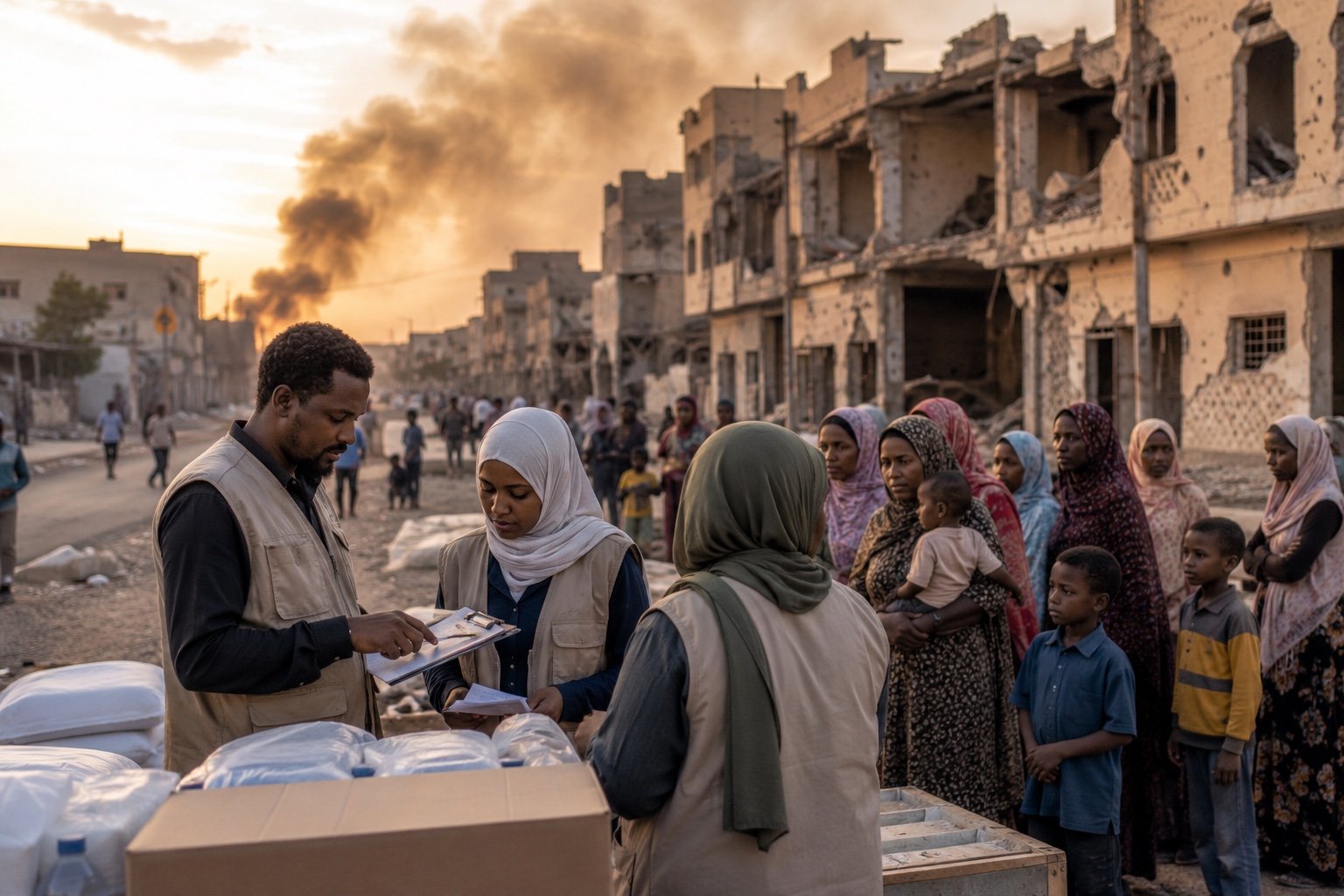
In El Obeid, Sudan's drone war is measured in cancelled deliveries and closed roads
Reporting from the besieged Sudanese city shows how drone strikes are compounding displacement and shortages — and testing the limits of humanitarian work.
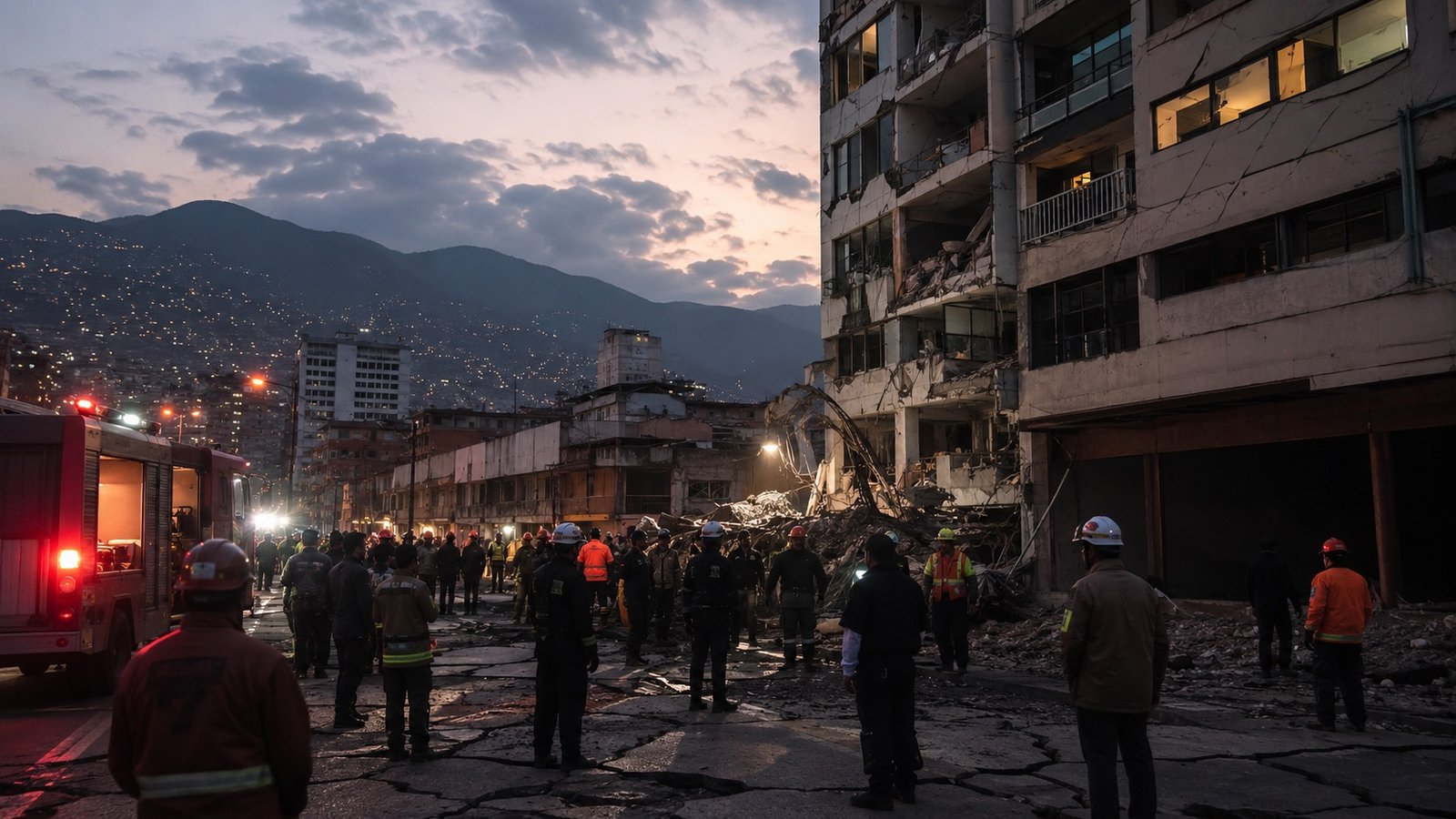
Venezuelans search the rubble after powerful twin earthquakes kill scores
Rescue teams race through collapsed buildings in Caracas and along the coast as the death toll climbs, hospitals overflow with the injured and the government scrambles to coordinate relief.
When Confidentiality Feels Like a Gag: Australia's Parliamentary Watchdog Under Scrutiny
A staffer's account of jail-threat confidentiality warnings puts Australia's parliamentary complaints body — and workplace reform everywhere — to the test.
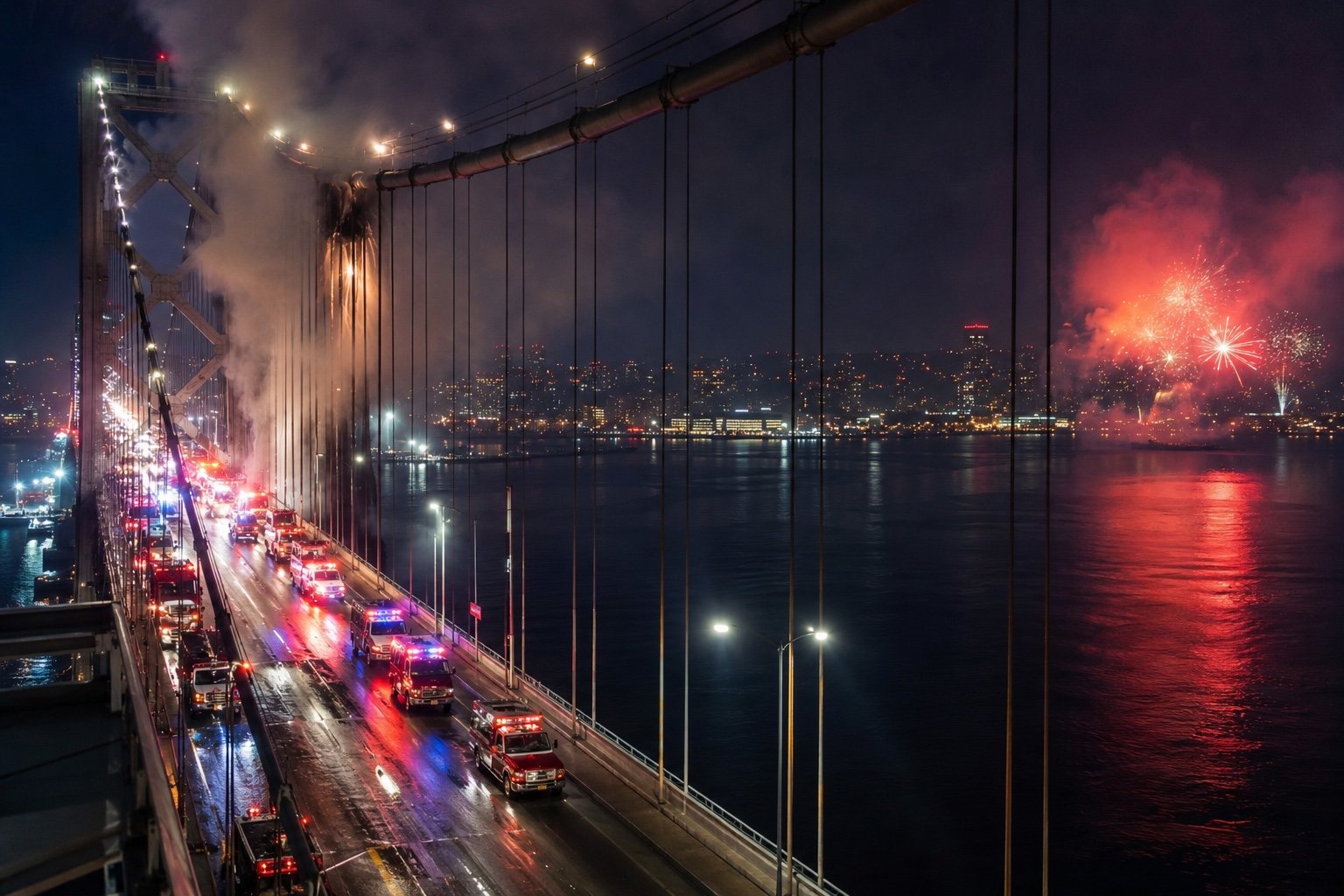
The Brooklyn Bridge Fire Shows What Civic Spectacle Really Depends On
A fireworks malfunction set the Brooklyn Bridge alight during America's 250th Independence Day show — a test of the invisible systems behind celebration.