Federal judge blocks bid to bar SNAP benefits from buying sweets and sugary drinks
A ruling has paused restrictions pursued by several US states, raising thorny legal questions about how food is defined, the limits of public-health policy and access to benefits.
Marcus Reeve
Writer ·
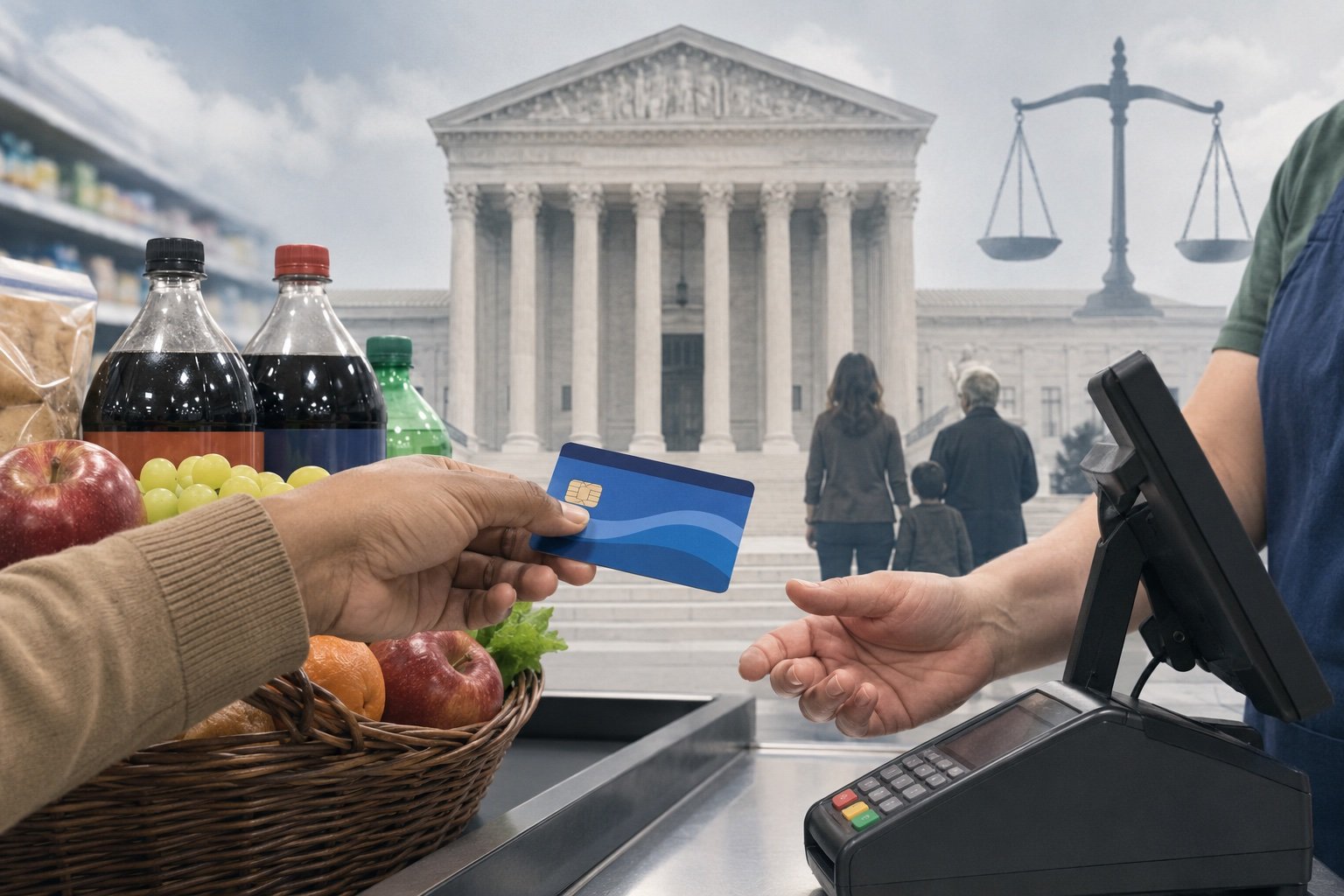
A federal judge has ruled that the government cannot prevent SNAP benefits from being used to buy sweets and sugary drinks, halting restrictions that several states had been pursuing. The decision pauses a contentious policy push and reopens difficult questions about how the programme defines food and balances nutrition against personal choice.
The Supplemental Nutrition Assistance Programme supports millions of lower-income households, and any change to what its dollars can buy carries significant practical and political consequences.
What the judge decided
The ruling blocks efforts to carve out categories of food and drink, such as confectionery and soda, from items eligible for purchase with benefits. In doing so, it preserves the existing scope of the programme while the underlying legal arguments are tested further.
Supporters of the restrictions had cast them as a public-health measure; opponents argued they were paternalistic and legally shaky.
The competing arguments
The case sits at the intersection of health policy, individual autonomy and the technicalities of how benefit rules are written and enforced.
- Public health: advocates say limiting sugary purchases could improve diet-related outcomes.
- Personal choice: critics argue recipients should decide how to use their benefits.
- Legal definitions: courts must grapple with what counts as eligible food.
- Access: restrictions risk adding stigma and complexity for benefit users.
“Deciding what families can and cannot put in their basket is as much a legal question as a nutritional one.”
Background
Several states had moved to tighten the rules around SNAP-eligible purchases, part of a broader debate in the United States over diet, obesity and the role of public assistance. Those efforts have repeatedly run into questions about federal authority and the practicalities of policing grocery aisles.
What happens next
The ruling is unlikely to be the final word, with appeals and further legal manoeuvring expected as states weigh their options. For now, the status quo holds, but the broader fight over the boundaries of nutrition policy and benefit access looks set to continue.
Sources: reporting by AP News.
The NE Times is an independent news and analysis publisher. Our articles combine factual reporting with clearly-written, impartial analysis. Content is for general information and does not constitute professional advice. Disclaimer.
You may also like to read

Kenya halts US-run Ebola facility after court pressure and protests
The country's health minister ordered work stopped on a quarantine site amid a contempt finding and public opposition, exposing tensions over sovereignty and health security.

Europe's Heatwave Verdict: Science Says the Climate Has Changed — Now Adaptation Is the Test
A World Weather Attribution study finds Europe's record heat virtually impossible without climate change, shifting the debate from explanation to preparation.
US Supreme Court limits damages over Rastafari inmate's cut dreadlocks
Justices condemned the shaving of Damon Landor's hair but ruled that federal religious-rights law did not allow him to claim money damages from prison officials.
Supreme Court Immigration Rulings Hand Trump a Run of Wins
A series of decisions touching temporary protected status and asylum has strengthened the White House's hand and reignited the row over executive power.