US and Jamaica in talks over accepting third-country deportees, minister confirms
A proposed arrangement could see Jamaica take up to 25 people every fortnight from other nations, with details on housing and compensation still being worked out as opposition figures raise concerns.
Marcus Reeve
Writer ·
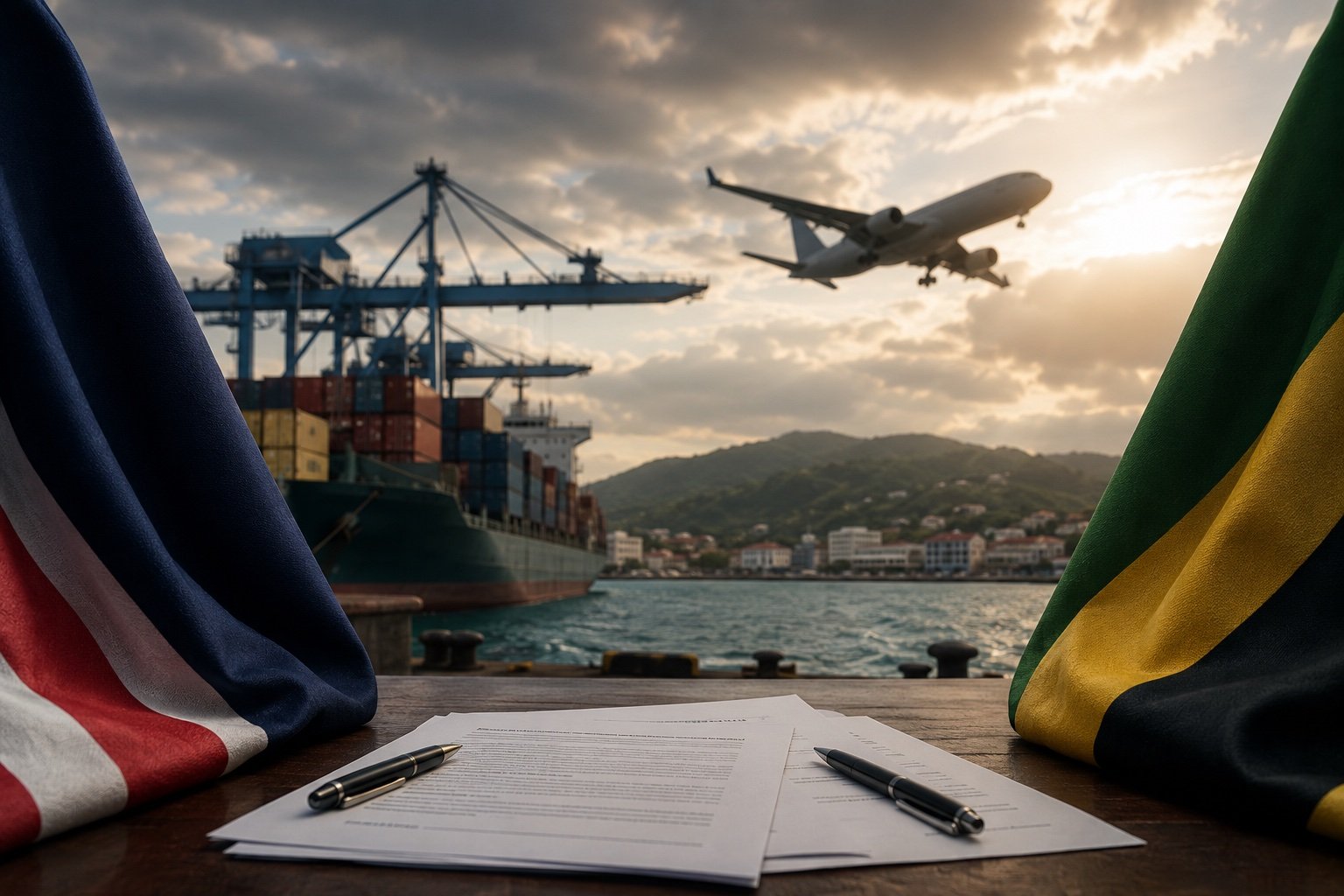
Jamaica is in discussions with the United States about accepting third-country deportees, with National Security Minister Horace Chang confirming the talks. The proposed arrangement would allow up to 25 people every two weeks from countries other than Jamaica, even as officials acknowledged that details on housing and compensation remain unresolved.
The negotiations illustrate how US immigration policy is reaching further across the Caribbean, placing partner governments in the position of defending sensitive agreements to sceptical audiences at home.
What is being proposed
Under the arrangement as described, Jamaica would receive a capped number of individuals on a rolling basis, drawn not from its own nationals but from other countries. Officials have indicated that practical questions, including where those people would be housed and how the scheme would be funded, are still being negotiated.
That uncertainty has become a focal point for critics who want clearer answers before any deal is finalised.
The domestic pushback
Opposition figures have warned about transparency and the potential strain on public services, framing the talks as a test of how openly the government is willing to operate.
- Capacity: a proposed limit of up to 25 people every two weeks.
- Logistics: unresolved questions over housing and compensation.
- Transparency: opposition calls for clearer public information.
- Public services: concerns about added pressure on local resources.
“Agreements like this cannot be settled quietly; the public deserves to know the terms before any deal is done.”
Background
The discussions form part of a broader expansion of US efforts to arrange the transfer of deportees through partner nations, a strategy that has drawn scrutiny across several regions. For Caribbean governments, such proposals carry both diplomatic weight and domestic political risk.
What happens next
Negotiators are expected to continue working through the unresolved details, with the housing and funding arrangements likely to prove decisive. How the Jamaican government manages the domestic debate may shape whether the proposal advances or stalls under public pressure.
Sources: reporting by AP News.
The NE Times is an independent news and analysis publisher. Our articles combine factual reporting with clearly-written, impartial analysis. Content is for general information and does not constitute professional advice. Disclaimer.
You may also like to read
Supreme Court Immigration Rulings Hand Trump a Run of Wins
A series of decisions touching temporary protected status and asylum has strengthened the White House's hand and reignited the row over executive power.
ICE to offload warehouse detention sites after lawsuits
US officials plan to shed some warehouse properties bought for immigrant detention after legal challenges and cost questions complicated the programme.
Eight sentenced over shooting outside Texas immigration detention centre
Lengthy prison terms in a case prosecutors linked to a protest reignite debate over political extremism, public safety and the policing of demonstrations.
US judge bars immigration arrests at courthouses
A federal judge has blocked a Trump administration policy that allowed immigration officers to detain people attending court hearings.