US Justice Department withdraws subpoenas seeking reporters' testimony
The reversal, which had demanded journalists' grand jury evidence, has been welcomed by press-freedom advocates and reignited debate over leak investigations and the protection of sources.
Marcus Reeve
Writer ·
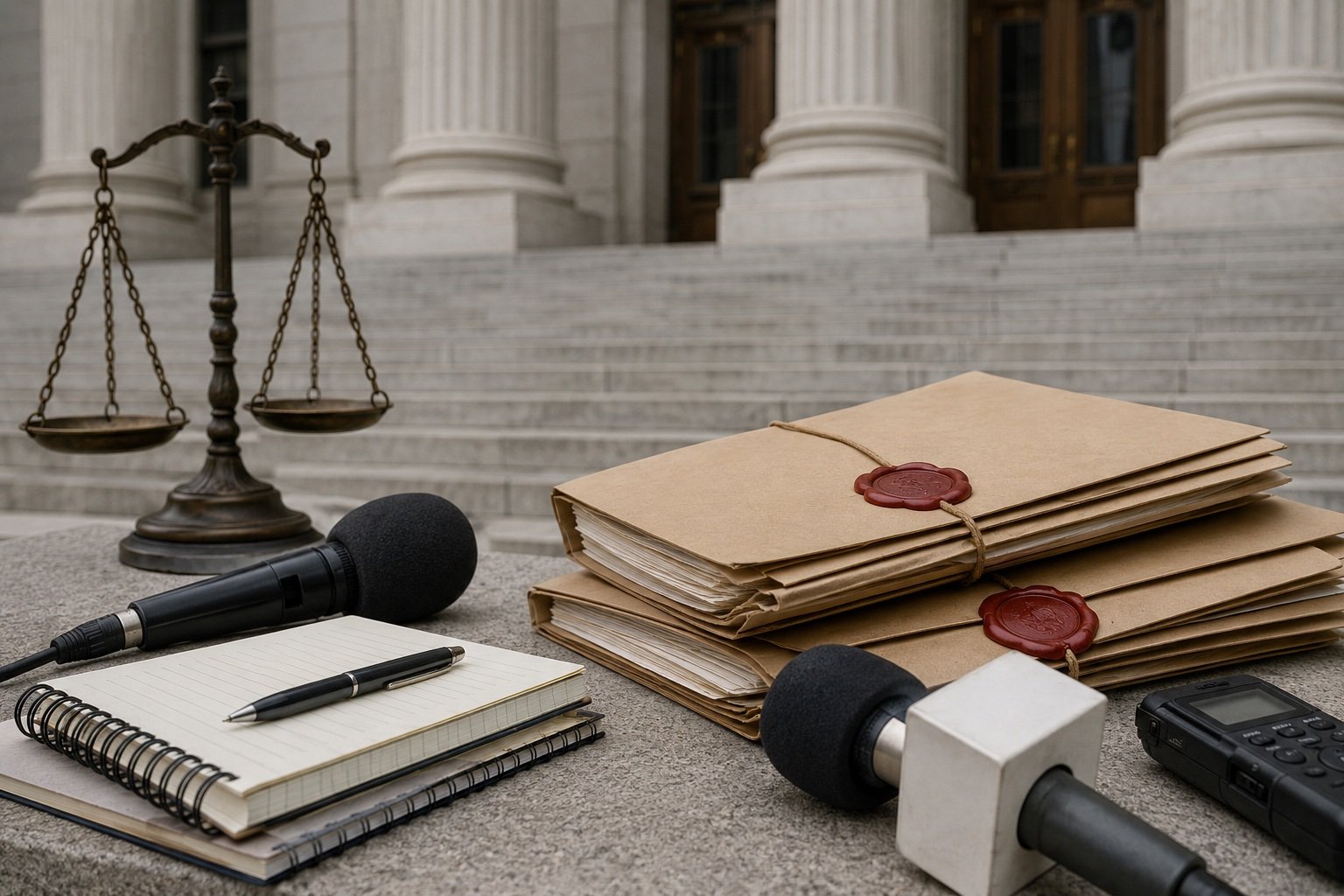
The US Justice Department has withdrawn subpoenas that sought to compel reporters to give grand jury testimony, according to reporting by the Associated Press. The climbdown is a notable victory for advocates of press freedom and casts fresh light on the long-running tension between leak investigations and journalists' duty to protect their sources.
Subpoenas demanding testimony from reporters are among the most contentious tools available to prosecutors, precisely because they can force journalists to choose between complying with a court order and shielding confidential informants.
Why the reversal matters
The decision to drop the subpoenas signals, at least for now, a step back from a confrontation that civil-liberties groups had warned could chill investigative reporting. When reporters fear that their notes or testimony could be commandeered, sources grow reluctant to come forward, and accountability journalism suffers.
- The subpoenas had sought reporters' grand jury testimony.
- The Justice Department has now withdrawn them.
- Press-freedom advocates welcomed the reversal.
- The case revives debate over leak inquiries and source protection.
A recurring flashpoint
Successive administrations have grappled with how aggressively to pursue leaks of sensitive information, and reporters have repeatedly found themselves caught in the crossfire. Each new attempt to extract testimony tends to prompt renewed calls for stronger statutory protections for the press.
“A free press cannot function if reporters can be hauled before a grand jury and made to betray their sources.”
Background
In the United States, there is no comprehensive federal shield law guaranteeing journalists the right to refuse to identify sources, leaving the matter to a patchwork of department guidelines and court rulings. That uncertainty has long made internal policy decisions, such as whether to issue or withdraw subpoenas, especially consequential for the news industry.
What happens next: press-freedom organisations are likely to use the episode to press once again for durable legal safeguards, while observers will watch whether the withdrawal reflects a broader shift in how leak investigations are pursued.
Sources: reporting by AP News.
The NE Times is an independent news and analysis publisher. Our articles combine factual reporting with clearly-written, impartial analysis. Content is for general information and does not constitute professional advice. Disclaimer.
You may also like to read
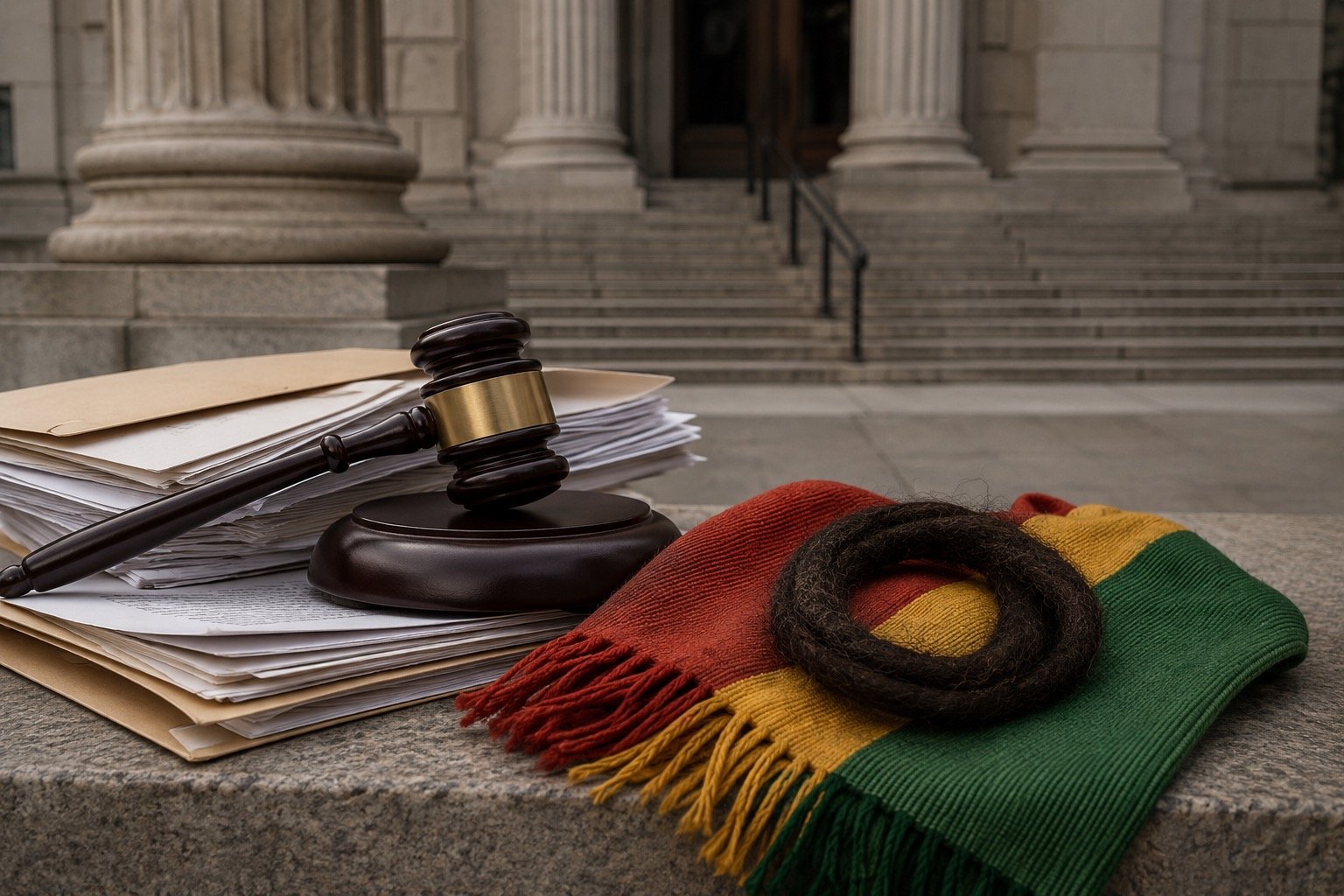
US Supreme Court limits damages over Rastafari inmate's cut dreadlocks
Justices condemned the shaving of Damon Landor's hair but ruled that federal religious-rights law did not allow him to claim money damages from prison officials.
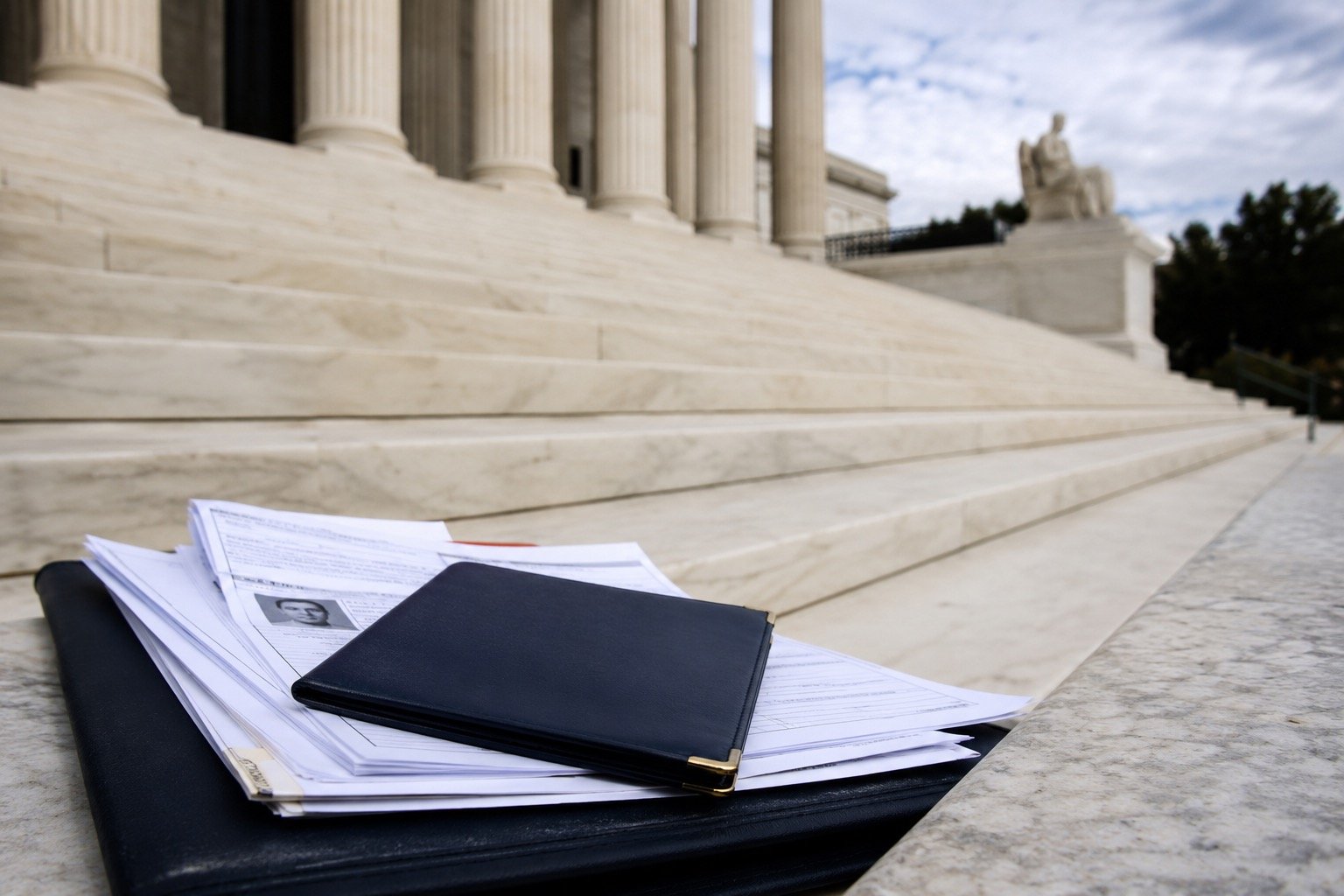
Supreme Court Immigration Rulings Hand Trump a Run of Wins
A series of decisions touching temporary protected status and asylum has strengthened the White House's hand and reignited the row over executive power.
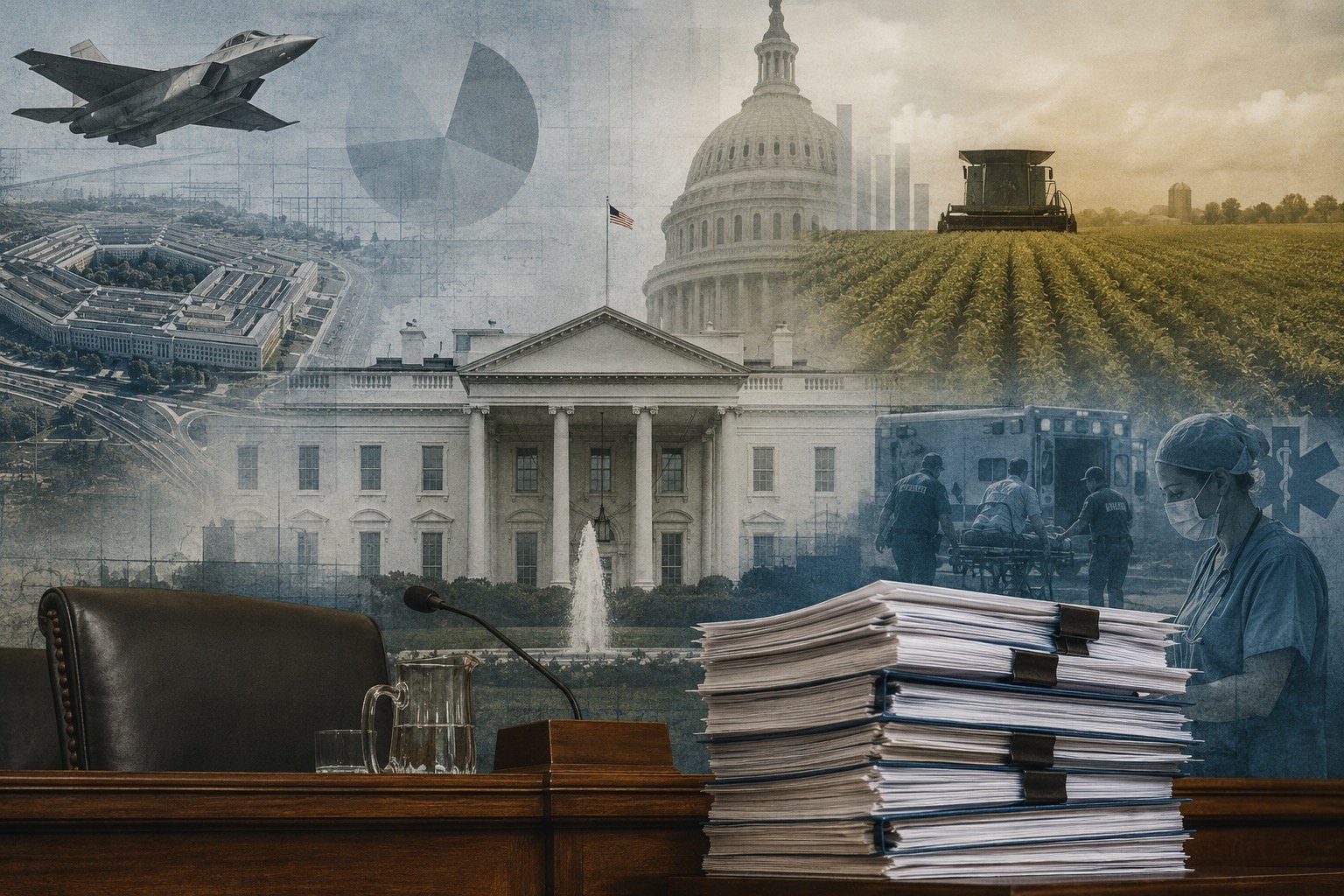
White House Asks Congress for Tens of Billions in Iran War Spending
A funding request reported at $87.6bn bundles money tied to the Iran conflict with military readiness and domestic priorities.
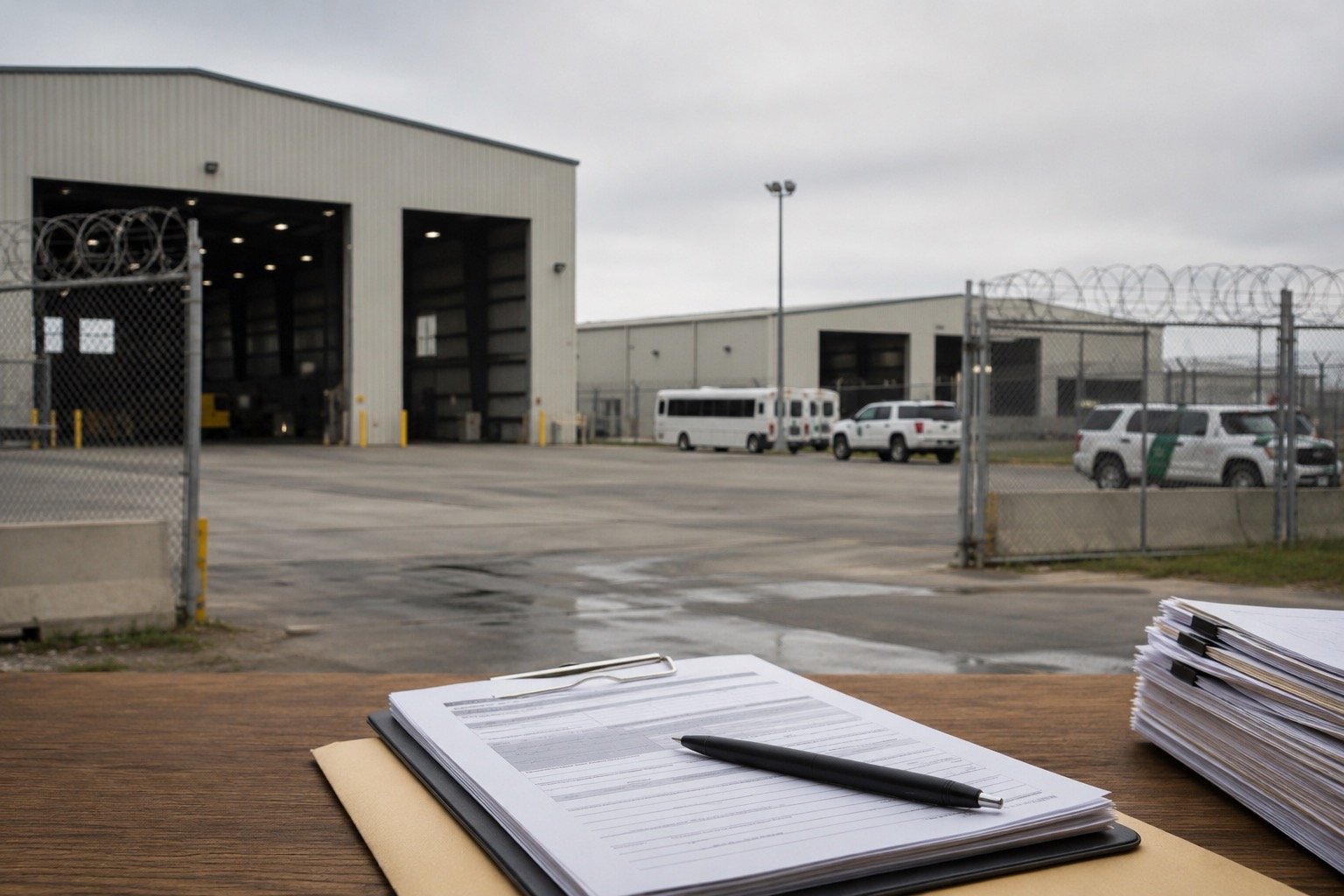
ICE to offload warehouse detention sites after lawsuits
US officials plan to shed some warehouse properties bought for immigrant detention after legal challenges and cost questions complicated the programme.