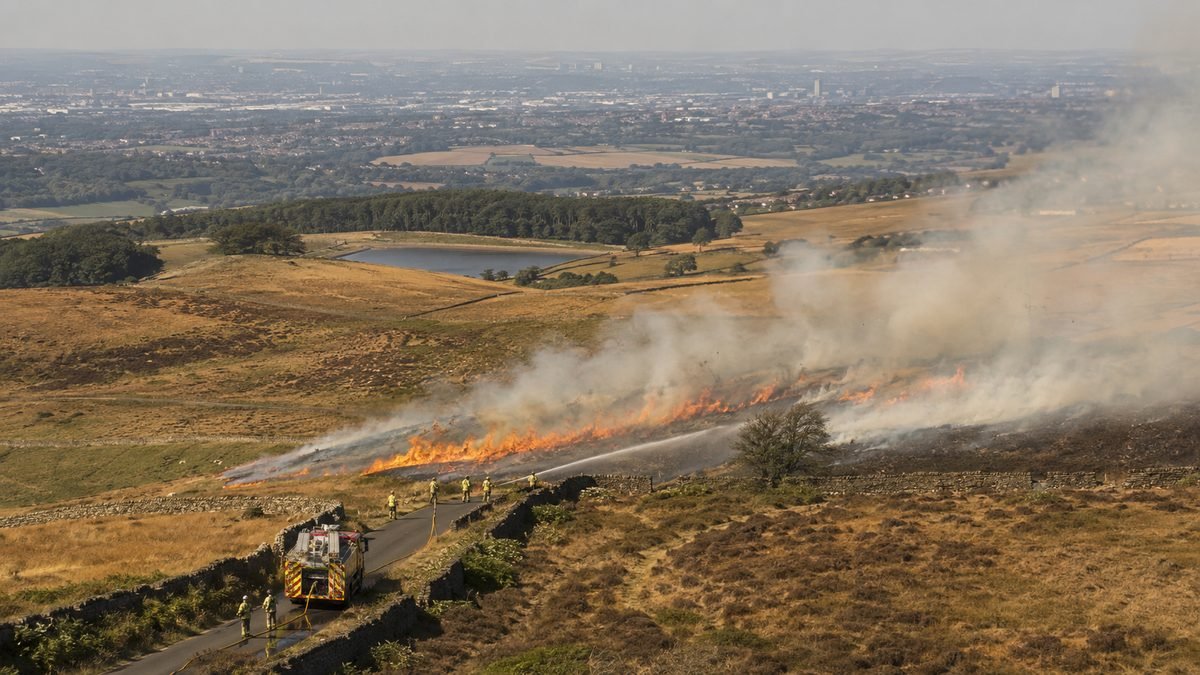
Study Estimates 2,700 Heat-Related Deaths in England and Wales
Scientists estimate that heatwaves in May and June 2026 caused around 2,700 premature deaths in England and Wales, highlighting the growing public-health danger of extreme heat.
Culture & Features Editor ·
A stark estimate of the human cost
Scientists have estimated that heatwaves in May and June 2026 caused around 2,700 premature deaths in England and Wales. The analysis suggested that the three-day peak of the June heatwave was associated with approximately 440 deaths a day. These figures made the health consequences of extreme heat one of the leading UK stories on 13 July. They are estimates produced through climate and mortality analysis, not final death-certificate totals, but they offer an early indication of the scale of harm.
How heat-related deaths are estimated
Most people who die during heatwaves do not have 'heatwave' written as the sole cause on a death certificate. Extreme temperatures can worsen heart disease, respiratory illness, kidney problems and other conditions. Researchers therefore compare observed or modelled mortality during hot periods with the number expected under more typical temperatures. They also use climate models to estimate how much human-caused warming increased temperatures. The resulting figure is an estimate with uncertainty, but the method is widely used to understand risks that routine statistics may not capture quickly.
May and June both broke records
The analysis estimated about 550 heat-related deaths during the May heatwave and around 2,200 during the June event. Researchers described 2026 as exceptional for early-season heat. West London reached 35.1C during May, while June included three consecutive days of record-breaking temperatures and a reading above 37C in East Anglia. The timing matters because people, buildings and public services may be less prepared for severe heat early in the summer. Acclimatisation is limited, schools remain in session and many homes have not been adapted for sustained high temperatures.
Who is most vulnerable
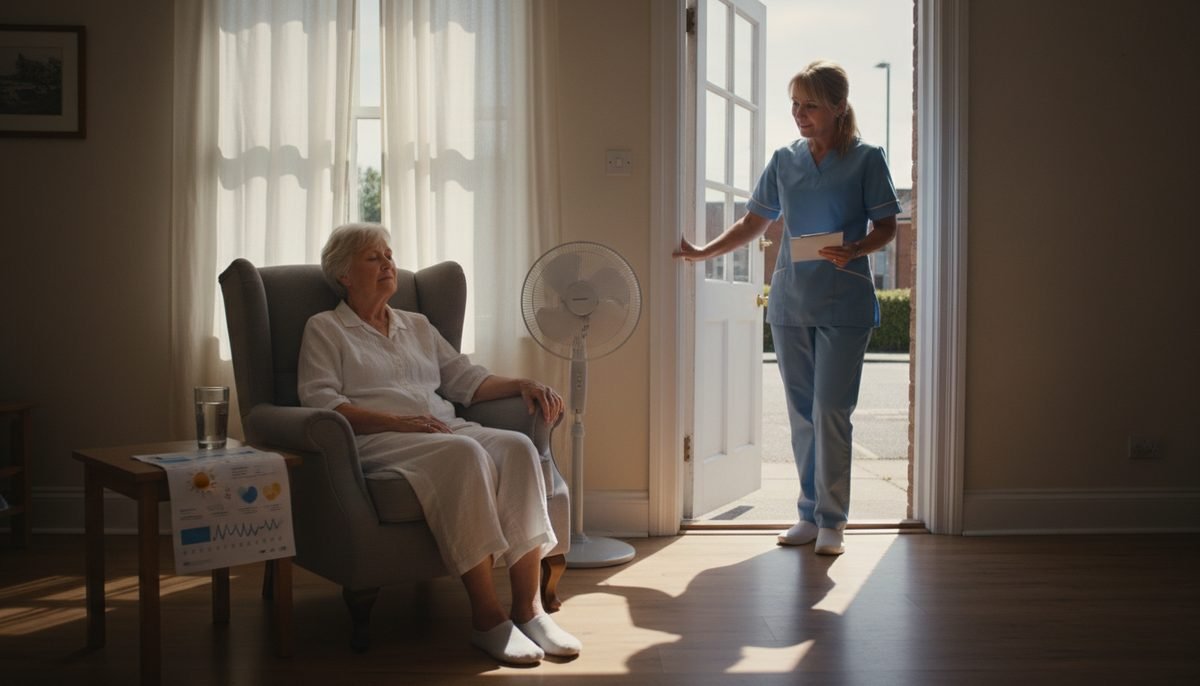
Older people face the greatest statistical risk, especially those living alone or with heart, lung or kidney conditions. Babies, pregnant women, people taking certain medicines and those with disabilities may also be vulnerable. Outdoor workers and people in hot indoor workplaces face prolonged exposure. Homeless people may have little access to shade or water. Risk is also shaped by housing: top-floor flats, poorly ventilated rooms and homes in densely built urban areas can remain dangerously hot overnight.
Why warm nights are dangerous
The body needs cooler periods to recover. When night-time temperatures remain high, heart rate and thermal stress may stay elevated, while sleep is disrupted. Homes that absorb heat during the day can continue warming after outdoor temperatures fall. This is particularly dangerous for people who cannot open windows because of noise, pollution or security concerns. Heat-health planning must therefore focus not only on daytime maximum temperatures but also on indoor conditions and minimum overnight temperatures.
The role of climate change
Researchers estimated that more than 40% of the deaths across the two heatwaves would not have occurred without approximately 1.4C of human-caused global warming. They also estimated that climate change added several degrees to peak UK temperatures. Attribution science does not claim that warming is the only factor behind each death. It compares the probability and intensity of an event in the current climate with a modelled world without human greenhouse-gas emissions. The conclusion is that heatwaves of this intensity are more likely and more dangerous because the planet has warmed.
Warnings and public response
The June event brought three successive days of red warnings from the UK Health Security Agency and the Met Office. A red alert signals a risk to life across the population, not only to people traditionally considered vulnerable. Warnings are useful only when they trigger action. Care providers need to check residents, hospitals must protect wards from overheating, employers should modify hours and councils should identify cool public spaces. Families can help by contacting older relatives, encouraging hydration and reducing unnecessary physical activity during the hottest periods.
The challenge of Britain's housing stock
Many UK homes were designed to retain heat during cool weather. Insulation can help in summer when combined with shading and ventilation, but unshaded windows and limited airflow can turn rooms into heat traps. Air conditioning is uncommon in homes and many schools. Retrofitting should include external shutters, reflective materials, trees, ventilation strategies and building designs that prevent overheating. Simply encouraging individuals to 'stay cool' is inadequate when their housing offers no cool room.
Health inequality and heat
Extreme heat does not affect everyone equally. Wealthier households may have gardens, fans, cooling systems and flexibility to work from home. Lower-income residents may live in small flats near busy roads, making it difficult to open windows. Workers in construction, delivery, hospitality and care may not be able to avoid exposure. Urban areas with little tree cover experience stronger heat-island effects. Public-health policy must therefore treat heat as an inequality issue as well as a weather issue.
Adaptation can save lives
Countries and cities can reduce heat mortality through early-warning systems, cool rooms, shaded streets, workplace protections and targeted outreach. Hospitals and care homes need temperature-monitoring plans and backup power. Councils can map vulnerable neighbourhoods and plant trees where shade is most needed. Schools may require revised timetables and building upgrades. National standards for overheating in existing homes could support consistent action. Many interventions also improve everyday quality of life and reduce energy use.
Why the figures should change policy
The estimate of 2,700 UK heatwave deaths 2026 should be treated as a warning, not a final accounting exercise. The numbers cover only part of the summer and are already comparable with the toll associated with previous record years. The Climate Change Committee has repeatedly said the country is underprepared for worsening extreme weather. Reducing greenhouse-gas emissions limits future warming, while adaptation protects people from heat that is already unavoidable. Both are necessary. The central public-health lesson is that heat is not merely uncomfortable weather: it is a predictable cause of preventable illness and death.
Source notes
- The Guardian, 13 July 2026
Filed under Health · Written by Sophie Bennett
You may also like to read