Oil Prices Jump as Gulf Tensions Begin to Push Up UK Pump Costs
Brent crude rose more than 3% amid renewed US-Iran exchanges in the Gulf, while UK petrol and diesel prices began increasing after recent falls.
Business & Technology Editor ·

A geopolitical shock reaches household budgets
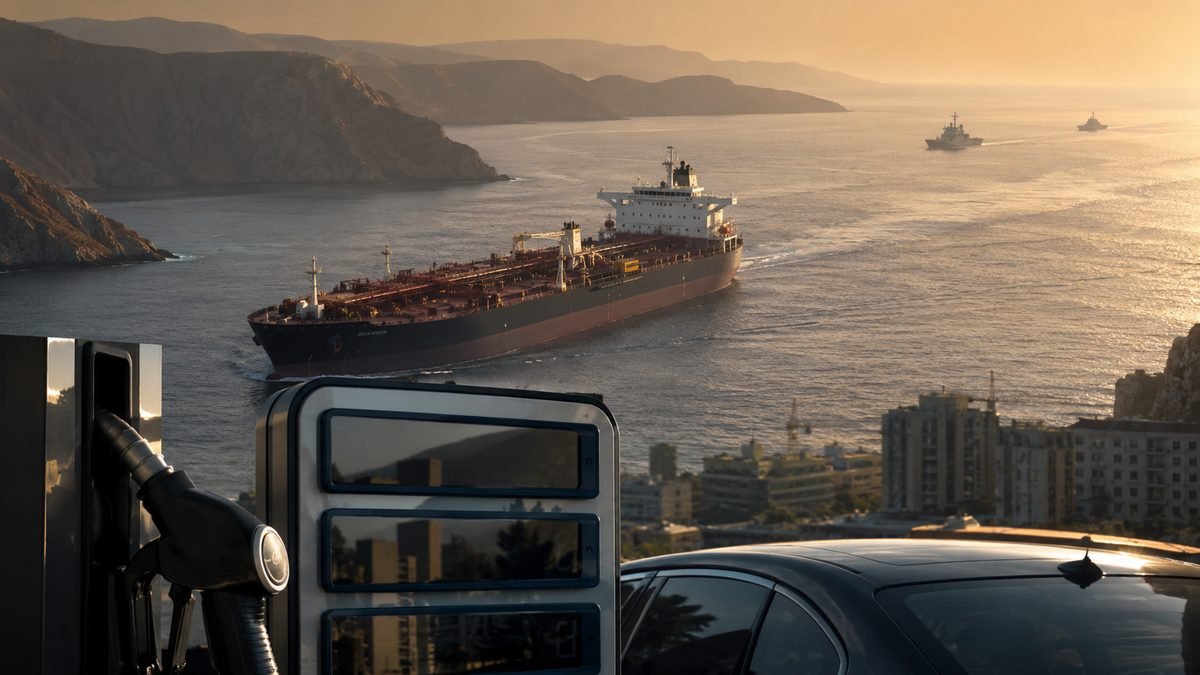
Oil prices rose sharply on Monday, 13 July 2026, as renewed exchanges between the United States and Iran increased concern about supplies from the Gulf. Brent crude gained more than 3% to trade around $78.66 a barrel during the day. In Britain, petrol and diesel prices began rising after a period of decline. The movements illustrate how quickly conflict thousands of miles away can affect transport costs, inflation expectations and business confidence in the UK.
Why the Gulf matters to oil markets
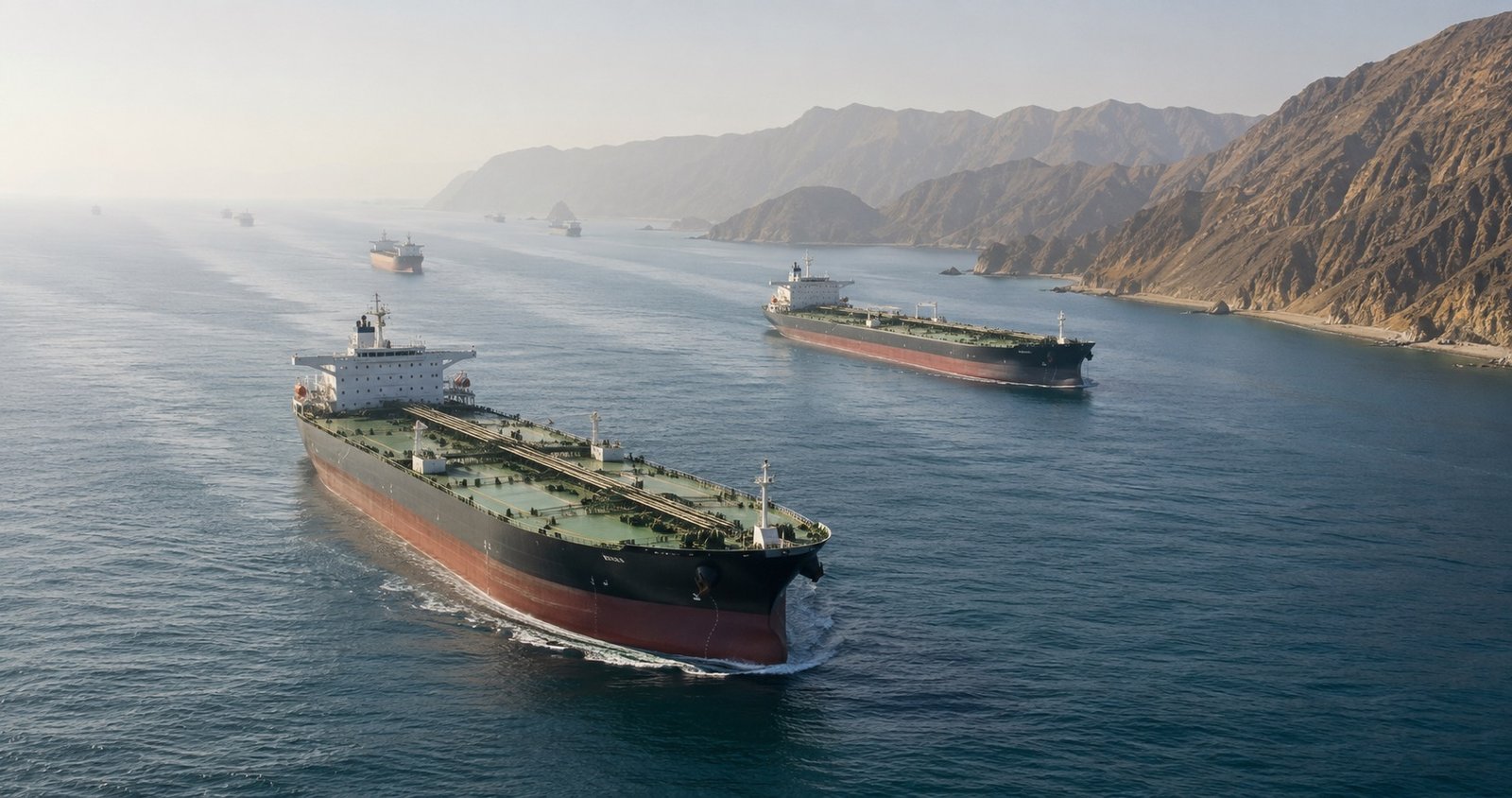
The Persian Gulf is central to global energy supply, with major producers and shipping routes concentrated in the region. Traders react not only to actual disruption but also to the probability of future disruption. Military exchanges raise questions about production facilities, shipping insurance, tanker routes and the security of the Strait of Hormuz. Even when oil is still flowing, buyers may pay a risk premium because a wider conflict could reduce supply. That premium can rise or fall quickly as new information emerges.
From Brent crude to the forecourt
UK fuel prices do not move in perfect synchronisation with the daily Brent crude price. The pump price includes the cost of crude oil, refining, transport, retail margins, fuel duty and VAT. Petrol and diesel are also influenced by wholesale product markets and the pound-dollar exchange rate, because oil is commonly priced in dollars. A weaker pound can make imported fuel more expensive even if the dollar oil price is stable. Retailers purchase at different times, so changes typically reach forecourts with a delay.
The latest direction for drivers
Average UK prices had already been elevated in early July, with published market trackers placing petrol above 150 pence a litre and diesel significantly higher. The latest increase may be modest at first, but repeated daily rises in wholesale costs can add several pounds to the price of a full tank. Drivers in rural areas and at motorway services often pay more than customers near competing supermarkets. Price-comparison tools can reduce costs, although consumers should avoid travelling long distances merely to save a small amount.
Diesel and the wider economy
Diesel prices matter beyond private motoring. Haulage companies, delivery fleets, construction firms, farms and public transport operators depend on fuel. When diesel becomes more expensive, businesses may add surcharges or raise prices. Food distribution is particularly sensitive because products move through multiple stages from farms and ports to warehouses and shops. A sustained fuel increase can therefore contribute to inflation even for households that do not own a car.
Markets send mixed signals
The broader market response was cautious rather than panicked. US technology shares weakened, European markets showed modest gains and the FTSE 100 was slightly higher, supported in part by energy companies. Gold fell despite its traditional role as a safe-haven asset, showing that market reactions are shaped by positioning and expectations as well as simple fear. The pound slipped against the dollar during a politically important week. These cross-market moves suggest investors were reassessing risk without assuming an immediate full-scale supply crisis.
OPEC's demand outlook
At the same time, OPEC reduced its forecast for growth in global oil demand. That creates a countervailing force: geopolitical tension supports prices, while weaker demand expectations can limit them. The world oil market is constantly balancing economic growth, producer decisions, inventories and disruption risk. If conflict eases and demand remains soft, prices may fall again. If shipping or production is materially interrupted, the risk premium could become a genuine shortage premium.
The UK jobs-market signal
Business news on the same day included PageGroup's description of the UK recruitment market as tough but stable. That phrase captures the difficult environment facing households and employers. Higher energy and transport costs can discourage hiring, while a weak labour market can reduce demand for fuel. Economic indicators therefore interact. The next government will watch whether oil-driven inflation complicates interest-rate decisions or reduces consumer spending.
What government can and cannot control
Ministers have limited power over the global crude price. They can release strategic stocks in exceptional circumstances, coordinate with allies and monitor competition in the retail fuel market. They can also change fuel duty, although tax cuts cost public money and may not be fully passed on. Longer-term resilience comes from reducing dependence on imported fossil fuels through efficient vehicles, public transport, electrification and domestic low-carbon energy. Those strategies do not eliminate short-term exposure but gradually reduce it.
Practical advice for consumers and businesses
Households can combine journeys, maintain correct tyre pressure and compare local prices. Businesses with large fleets may use hedging contracts or fuel-management systems, though these tools carry costs and risks. Budget planning should consider the possibility of continued volatility rather than assuming the latest increase will persist indefinitely. Consumers should also be cautious about viral claims predicting extreme pump prices; reliable forecasts depend on conflict developments, exchange rates, refining margins and tax policy. Practical running-cost and insurance explainers for drivers are the bread and butter of our sister site True Motion Auto.
The inflation question
A brief rise in oil prices may have little lasting effect on headline inflation. A sustained increase affects fuel directly and then feeds through transport and production costs. Central banks often look beyond temporary energy shocks, but they become concerned if businesses and workers begin to expect permanently higher inflation. The Bank of England will therefore consider the duration of the shock and evidence from wages and services prices. Political uncertainty during the expected change of prime minister adds another variable for markets.
What to watch next
The immediate indicators are Brent crude, shipping conditions in the Gulf, the pound-dollar exchange rate and UK wholesale petrol and diesel prices. Drivers will see the result at the forecourt over the following days and weeks. The current oil market inflation Britain story is a reminder that energy security, foreign policy and household finances are connected. A 3% daily move does not guarantee a long-term crisis, but it is a warning that escalation can translate rapidly into real costs for families and businesses.
Source notes
- The Guardian Business Live, 13 July 2026
- House of Commons Library, Middle East conflict and UK economy
Filed under Business · Written by Rajan Mehta