The Hunt: 'Hunger Games Meets The Traitors' Explained
Format deep-dive · "Hunger Games meets The Traitors" — how the hide-and-seek game works
Culture & Features Editor ·
Every so often a reality format arrives with a pitch so vivid it does half the marketing for you. The Hunt — variously discussed under the "Predator vs Prey" banner — has been described as "Hunger Games meets The Traitors," and for once the hyperbole is earned. Drop contestants into deep wilderness. Split them into hunters and hunted. Let them switch sides when a capture is made. Dangle up to £100,000 at the end. It is a premise built for adrenaline, and it represents one of the most ambitious swings in the current wave of British reality.
The core mechanic. Contestants are dropped into vast, remote wilderness to play a high-stakes game of hide-and-seek. Players are assigned one of two roles: Predator or Prey. The Prey must evade capture, using the terrain, their wits and their nerve to stay hidden. The Predators must track them down. The prize — reportedly up to £100,000 — goes to whoever navigates the game most successfully.
The twist that changes everything. What elevates this above a straightforward chase is the role-switching. When hunters catch their targets, the roles flip. A Predator who succeeds may find themselves reclassified; a captured Prey may become a hunter. That single mechanic transforms the game's psychology entirely. No one's position is permanent, which means no one's strategy can be static. A player must think not only about surviving their current role but about what happens when the board turns over — and about how the people they hunt today might be hunting them tomorrow.
Why the comparison to The Traitors holds. On the surface, The Hunt is a physical survival game. But the role-switching introduces exactly the kind of shifting-loyalty dynamic that makes psychological formats so gripping. Alliances become provisional. Trust becomes a calculated risk. The person helping you evade capture may soon have every incentive to betray your hiding place. The result is a hybrid: the physical jeopardy of a wilderness survival show, layered with the social scheming and paranoia of a trust-and-betrayal game. That fusion is the show's real innovation.
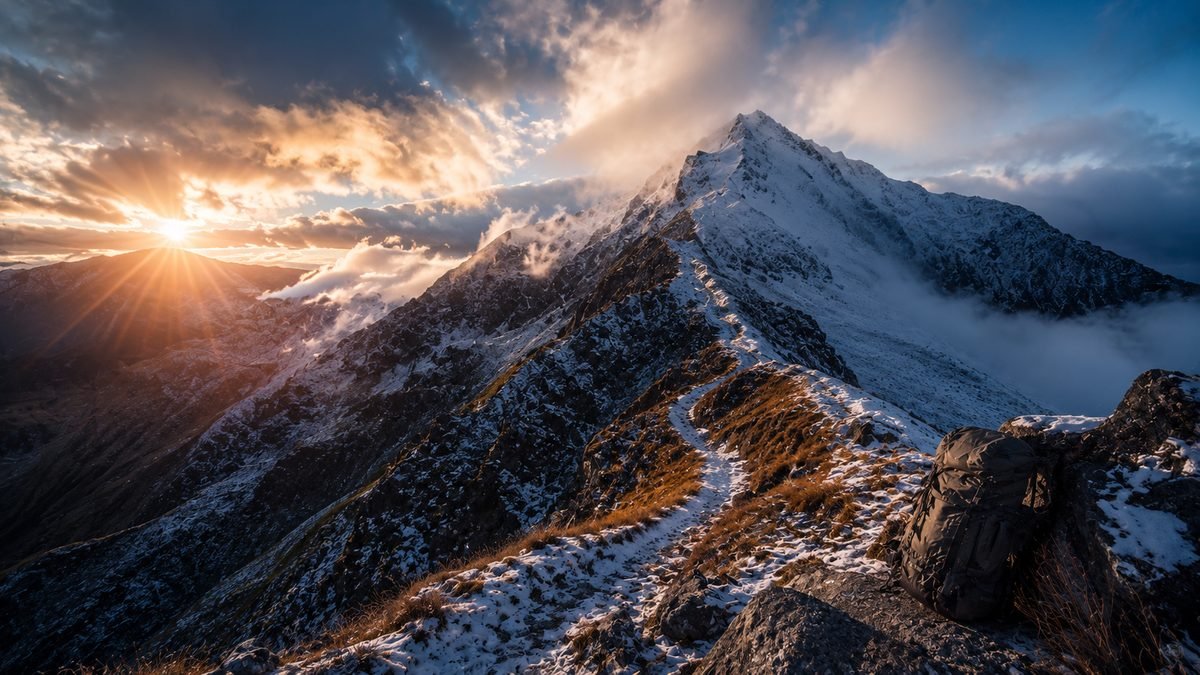
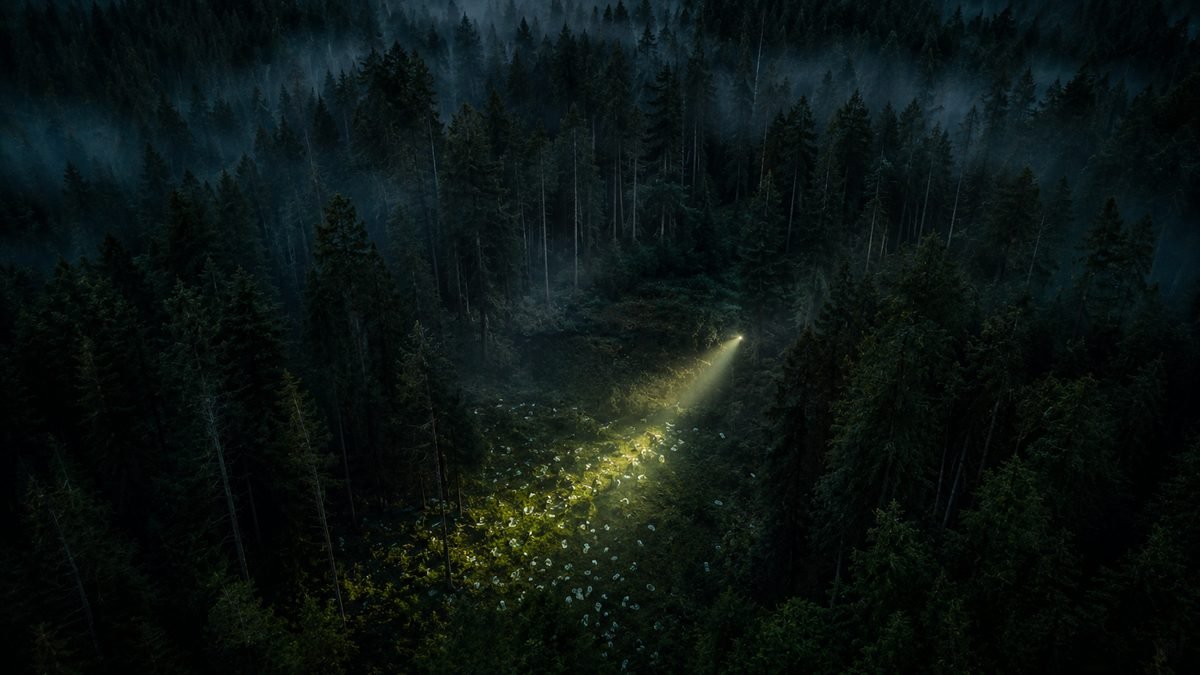
The setting as antagonist. Deep wilderness is not a neutral backdrop; it is an active adversary. Contestants face the elements, the terrain and the genuine physical demands of surviving outdoors while simultaneously playing a high-stakes game. Hiding in dense forest sounds simple until you have to do it cold, tired and hungry, with the constant knowledge that someone is looking for you. The environment supplies authentic jeopardy that no studio set could replicate, and it strips the contestants down to instinct.
The psychology of being hunted. This is where the format promises its most compelling television. Being pursued — even in a game, even with a production team nearby — triggers something primal. The tension of hiding, the terror of a nearby sound, the split-second decision to run or stay still: these are visceral, unfakeable reactions. Conversely, the hunters experience the focus and thrill of the chase. The show is, in essence, a controlled experiment in two of the oldest human states, and it is betting that watching real people inhabit them will be irresistible.
The stakes. Up to £100,000 gives the game genuine weight. It is enough money to justify the discomfort, the risk and the betrayals — enough to make contestants push themselves further than they otherwise would, and to make every capture and every escape genuinely consequential.
Where it fits in the landscape. The Hunt arrives amid a clear appetite for high-concept formats blending physical challenge with psychological gameplay. Audiences have shown they will turn out for shows where the stakes are real, the environment is punishing, and human behaviour under pressure is the true spectacle. The success of survival-adventure formats on one hand and trust-and-betrayal games on the other has created a natural space for something that does both — and The Hunt aims squarely at it.
The questions it must answer. Execution will decide everything. Can the production capture the chase compellingly across vast terrain? Will the role-switching feel elegant or arbitrary? Is the casting varied enough to deliver both the physically formidable and the strategically cunning? Get those right and this could be a breakout. Get them wrong and the premise's promise curdles into a muddle.
But the concept itself is undeniably strong: a primal game of hide-and-seek, played for real money, in real wilderness, with the roles constantly inverting beneath the players' feet. Predator becomes Prey; Prey becomes Predator. Nobody is safe, and nobody stays safe. As pitches go, "Hunger Games meets The Traitors" is a hell of an opening line — and The Hunt looks like it might just have the format to back it up.
Filed under Reality TV · Written by Sophie Bennett