Worst Neighbour Ever: Netflix's Neighbour Dispute Series
Netflix preview · The universal fear, turned into a series
Culture & Features Editor ·
Netflix has found a subject with genuinely universal reach, and it is not love, money or survival. It is the person living next door. Worst Neighbour Ever, the latest entry in the platform's "Worst Ever" franchise, digs into real-life stories of extreme and outrageous neighbour disputes — and in doing so taps into a fear so widespread and so primal that the show barely needs a hook beyond its title.
The premise requires almost no explanation, which is precisely its strength. Everyone has a neighbour. Everyone has, at minimum, a story: the one who plays music at 3am, the one who parked across the drive, the one who let the hedge grow into a wall. And everyone harbours a quiet dread of the escalation — the moment a minor irritation curdles into something genuinely unpleasant, with no escape, because you cannot simply walk away from the person who lives six feet from your bedroom window. Worst Neighbour Ever takes that dread and follows it all the way down.
The show explores real-life stories of neighbour disputes that have spiralled far beyond the ordinary. These are not passive-aggressive notes about bins. The series is built around cases of genuine extremity and outrage — conflicts that have consumed lives, drained bank accounts, and turned homes into battlegrounds. What makes them so compelling is their trajectory: almost invariably, these disputes begin with something small. A boundary line. A tree. A noise. And then, through pride, grievance and proximity, they metastasise.
That escalation pattern is the show's real subject, and it is where the fascination lies. There is a horrible logic to how neighbour disputes grow. Because the parties cannot avoid each other, every slight is compounded daily. Because homes are deeply personal — the seat of our security, our privacy and often our savings — any perceived threat to them feels existential. And because neither side can leave, the conflict has nowhere to go but up. Watching that dynamic unfold in real cases is genuinely gripping, in the way a slow-motion accident is gripping.
The "Worst Ever" franchise framing tells you what to expect tonally. These shows trade in the extreme end of relatable experiences, taking something ordinary and finding the cases where it went spectacularly, unforgettably wrong. It is a formula built for streaming: instantly comprehensible, endlessly discussable, and perfectly suited to the "you have to see this" recommendation that drives word of mouth. The premise sells itself in three words.
What lifts it above simple rubbernecking, when done well, is the human dimension. Behind every extreme dispute are real people whose lives have been genuinely damaged — their peace destroyed, their finances drained, their sense of home turned into a source of dread. The best version of this show takes those consequences seriously, examining not just the outrageous behaviour but its cost, and the psychology that lets a reasonable person become consumed by a war over a fence. There is real insight available here into pride, territory and the peculiar madness that proximity can breed.
There is also, undeniably, the comfort factor. A significant part of the appeal is reassurance: however irritating your own neighbour may be, they are almost certainly not this bad. The show offers viewers the guilty pleasure of watching disputes far worse than anything they have endured, and the accompanying relief. It is schadenfreude with a side of gratitude, and it is a potent combination.
Strategically, the series is a smart addition to Netflix's unscripted slate. The platform has had considerable success with documentary-adjacent reality built around extreme real-life cases, and the neighbour dispute is fertile, largely untapped territory. The subject is universal, endlessly renewable, and requires no elaborate format machinery — just extraordinary cases and the people who lived them.
The show's arrival also reflects a wider appetite for reality content grounded in genuine human conflict rather than manufactured drama. Where a villa or a game show must engineer its tension, Worst Neighbour Ever simply finds situations where the tension was tragically, absurdly real, and documents it. That authenticity gives it a weight and an edge that produced drama struggles to match.
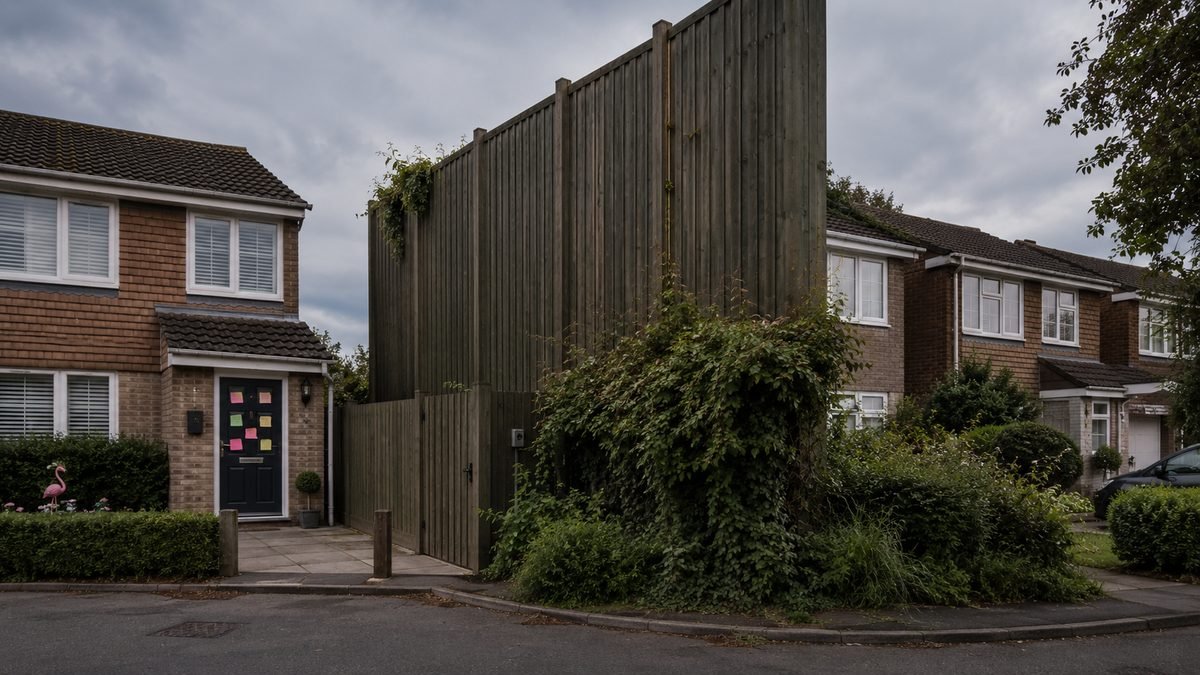
So the fences are going up, the notes are being taped to doors, and the boundary lines are being disputed with a fervour that will make viewers grateful for their own quiet street. Worst Neighbour Ever takes one of life's most universal anxieties and stares straight at its worst-case scenario. It is compelling, faintly horrifying, and — for anyone who has ever heard a thump through the wall and wondered what fresh nonsense is coming — completely, uncomfortably relatable. Lock the door, close the curtains, and press play. Just try not to think too hard about whatever it is your own neighbours are doing on the other side of that wall.
Filed under Reality TV · Written by Sophie Bennett