The Summit: ITV's New £200,000 Mountain Reality Show
First look · Fourteen strangers, one mountain, and £200,000 waiting at the top
Culture & Features Editor ·
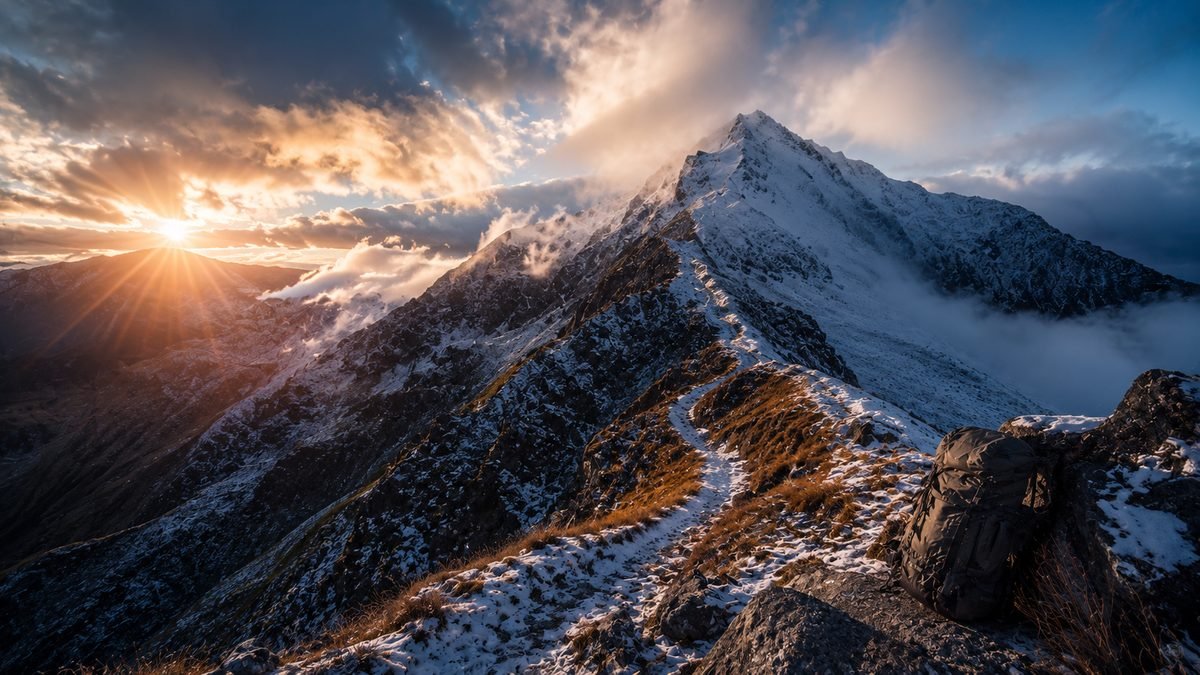
Somewhere in the rugged Alps of New Zealand's South Island, a group of fourteen strangers is about to discover exactly what they are made of. That is the premise of The Summit, ITV's new adventure-reality series, and it is a premise stripped almost to the bone: reach the peak, and an equal share of up to £200,000 is yours. The catch — because there is always a catch — is that the mountain does not care about your prize fund, and neither, before long, will everyone climbing beside you.
The set-up is elegantly brutal. Fourteen contestants from wildly different walks of life are given fourteen days to summit one of New Zealand's most spectacular mountains. Each of them starts with an equal share of the prize money physically loaded into their backpack. Reach the top with your share intact and you keep it. Fail — quit, fall behind, or fall foul of the game's twists — and that money is redistributed or lost. The clock, the terrain and the weather are all against them, and the higher they climb, the thinner the margin for error becomes.
What lifts The Summit above a straightforward endurance challenge is the way it fuses physical jeopardy with the social scheming that has made shows like The Traitors so addictive. This is not simply a race up a hill. Alliances form on the lower slopes and fracture higher up. Trust becomes a currency as valuable as stamina. Along the route, contestants face decisions that pit self-interest against the group — moments where helping a struggling teammate might cost you your own shot at the summit, and where cutting someone loose might be the coldly rational play. The mountain externalises the drama; the humans supply it.
The physical toll is real, and the show does not pretend otherwise. The New Zealand backcountry is genuinely unforgiving — treacherous terrain, wild and shifting conditions, altitude, exhaustion. Contestants carry their own supplies and their own share of the prize, and the weight of both, literal and metaphorical, mounts with every day. There is a purity to it that a lot of modern reality lacks. You cannot fake your way up a mountain. Either your legs and your resolve carry you, or they do not.
Fronting the expedition is a familiar and reassuring presence in the adventure-TV space, guiding viewers through the ascent and framing the human stories as they unfold. The host's role here is less ringmaster than mountain narrator — contextualising the danger, marking the milestones, and drawing out the emotional stakes of a journey that is as much internal as it is physical. Because that is ultimately what The Summit is about: not who is fittest, but who is smartest, most resilient, and most able to hold their nerve when the summit is in sight and the temptation to cut a corner — or a companion — grows strongest.
The casting spread is deliberately eclectic. Part of the appeal is watching people who would never otherwise meet — different ages, backgrounds, jobs, fitness levels — thrown together and forced to cooperate, compete, and decide how much of themselves they are willing to spend. The office worker with something to prove, the seasoned outdoors type, the quiet one who turns out to be unbreakable: these archetypes will emerge, and the pleasure is in watching the mountain sort them out in ways no one, least of all the contestants, can predict at base camp.
Format-wise, The Summit sits at the crossroads of two proven reality traditions. From the survival-adventure genre it borrows the landscape, the physical spectacle and the genuine risk. From the psychological-game genre it borrows the twists, the shifting loyalties and the constant, gnawing question of who to trust. That combination is very much the flavour of the moment — audiences have shown a clear appetite for shows where the prize is real, the danger is real, and the human behaviour under pressure is the real draw. ITV is betting that a mountain provides the perfect stage for all three.
There is also something quietly aspirational about it. Amid a summer schedule heavy on villas and dating pods, The Summit offers a different register entirely — sweeping landscapes, physical grandeur, and stakes that feel weightier than a text message read out at a recoupling. It is reality television as expedition, and it trades the claustrophobia of a house for the vastness of the Southern Alps. For viewers weary of confected drama, the honesty of a mountain — you climb it or you do not — may prove a tonic.
By the finale, the fourteen will have been whittled down by the terrain, the twists and their own choices, and whoever remains standing at the peak will split whatever prize money survived the journey. It is a simple, satisfying shape for a series: everyone starts equal, the mountain and the game take their toll, and the summit reveals who had the legs, the head and the heart for it. Whether The Summit becomes a returning fixture or a one-off curiosity will depend on execution — but as a premise, it has exactly the clarity and jeopardy that the best reality formats are built on. Fourteen strangers. One mountain. £200,000 at the top. The rest is up to them.
Filed under Reality TV · Written by Sophie Bennett