Amber heat-health alerts in force as temperatures push towards 30C across England
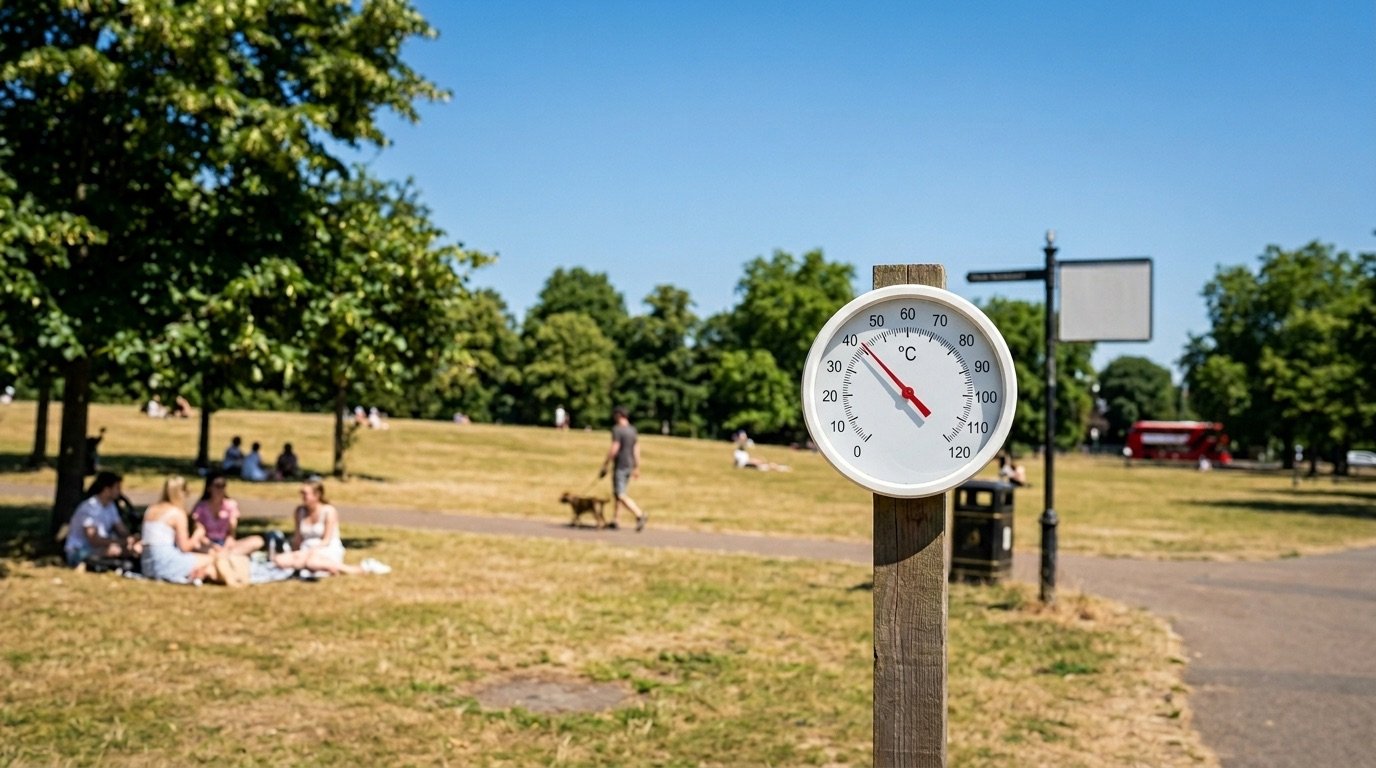
Health officials have issued amber alerts for much of England as a fresh heatwave brings temperatures of up to 30C, with fire services warning of wildfire risk and the chance of sudden thunderstorms.
Eleanor Whitfield
Writer ·
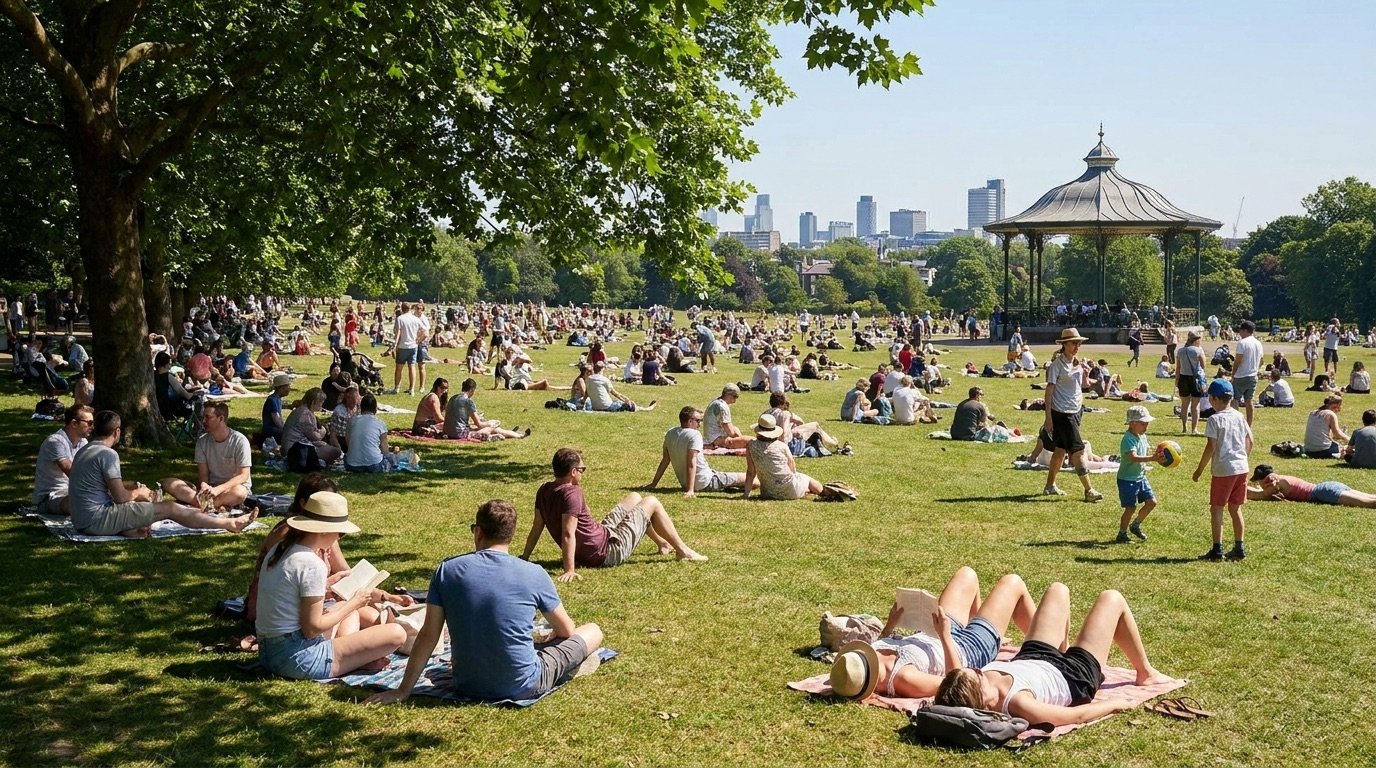
Large parts of England are under amber heat-health alerts as a fresh burst of hot weather sends temperatures climbing towards 30C, prompting warnings to the elderly and vulnerable to take extra care. The UK Health Security Agency and the Met Office have placed eastern and southern England and the Midlands under the amber tier, with a less severe yellow alert covering northern England and London.
Forecasters say the south-east, north-east and Midlands could reach between 28C and 30C, figures that sit five to ten degrees above what is typical for June. The Met Office regards 28C as the threshold for a heatwave in many southern and central regions, meaning the spell comfortably qualifies. Conditions are expected to be hottest over the weekend before turning fresher and more changeable.
While many will welcome the sunshine, officials have been at pains to stress that prolonged heat carries real risks, particularly for older people and those with respiratory or cardiovascular conditions. The amber alert is a signal that the weather could have significant effects on health and social care services, not merely on comfort.
Where the alerts apply
The amber heat-health alert covers eastern and southern England together with the Midlands, the regions expected to bear the brunt of the heat. London and the north of England fall under the lower yellow tier, indicating a smaller but still notable risk. The amber alert is due to remain in force until early on Monday morning, after which a weakening of the hot airmass should bring relief.
Regions and groups being urged to take particular care include:
- Eastern and southern England and the Midlands under the amber alert
- London and northern England under the lower yellow alert
- Elderly residents and people with heart or lung conditions
- Young children and those who work or exercise outdoors
- Pet owners and anyone responsible for vulnerable neighbours
Wildfire and storm warnings
Beyond the direct health risks, fire services have urged the public to be vigilant about the danger of wildfires as grass and vegetation dry out. Discarded cigarettes, disposable barbecues and glass bottles can all ignite tinder-dry ground, and crews have appealed to people to take rubbish home and avoid open flames in parks and countryside.
Adding to the unsettled picture, forecasters have warned of the possibility of sporadic but torrential thunderstorms breaking out as the heat peaks. Such storms can bring intense downpours, lightning and localised flash flooding in a short space of time, a reminder that hot spells in the UK often end abruptly rather than fading gently away.
“Older people and those with pre-existing health conditions should take extra care, staying out of the sun during the hottest part of the day and keeping hydrated.”
— A health official, on the amber alert
Background: a warming pattern
This is not the first hot spell of the year. The UK saw an earlier heatwave in May, and forecasters have repeatedly noted that high-pressure systems drawing warm air up from continental Europe have become a recurring feature of recent British summers. Each episode renews debate about how well the country's homes, transport and health systems are adapted to heat that was once considered exceptional.
Met Office meteorologists have flagged the signs of this latest heatwave for several days, pointing to warm air arriving from the near continent. The pattern is consistent with a broader trend in which spells of intense summer heat are arriving earlier and more frequently, placing fresh strain on infrastructure designed for a cooler climate.
“There are signs of another heatwave building by the end of the week and into the weekend across southern and central regions.”
— A Met Office forecaster
What it means
For most people the immediate advice is straightforward: stay hydrated, avoid the midday sun, check on elderly relatives and neighbours, and never leave children or animals in parked vehicles. Hospitals and care homes will be watching admissions closely, as previous heatwaves have been associated with a measurable rise in deaths among the most vulnerable.
The heat is expected to break from around Monday as fresher Atlantic air pushes in, bringing more typical, changeable June conditions. But the episode is likely to feed once again into the longer conversation about climate adaptation, from cooling in hospitals and schools to the resilience of railways and water supplies when the mercury climbs. For now, the message from officials is simple: enjoy the sunshine sensibly, and look out for those least able to cope.
Sources: reporting by BBC News.
The NE Times is an independent news and analysis publisher. Our articles combine factual reporting with clearly-written, impartial analysis. Content is for general information and does not constitute professional advice. Disclaimer.
You may also like to read
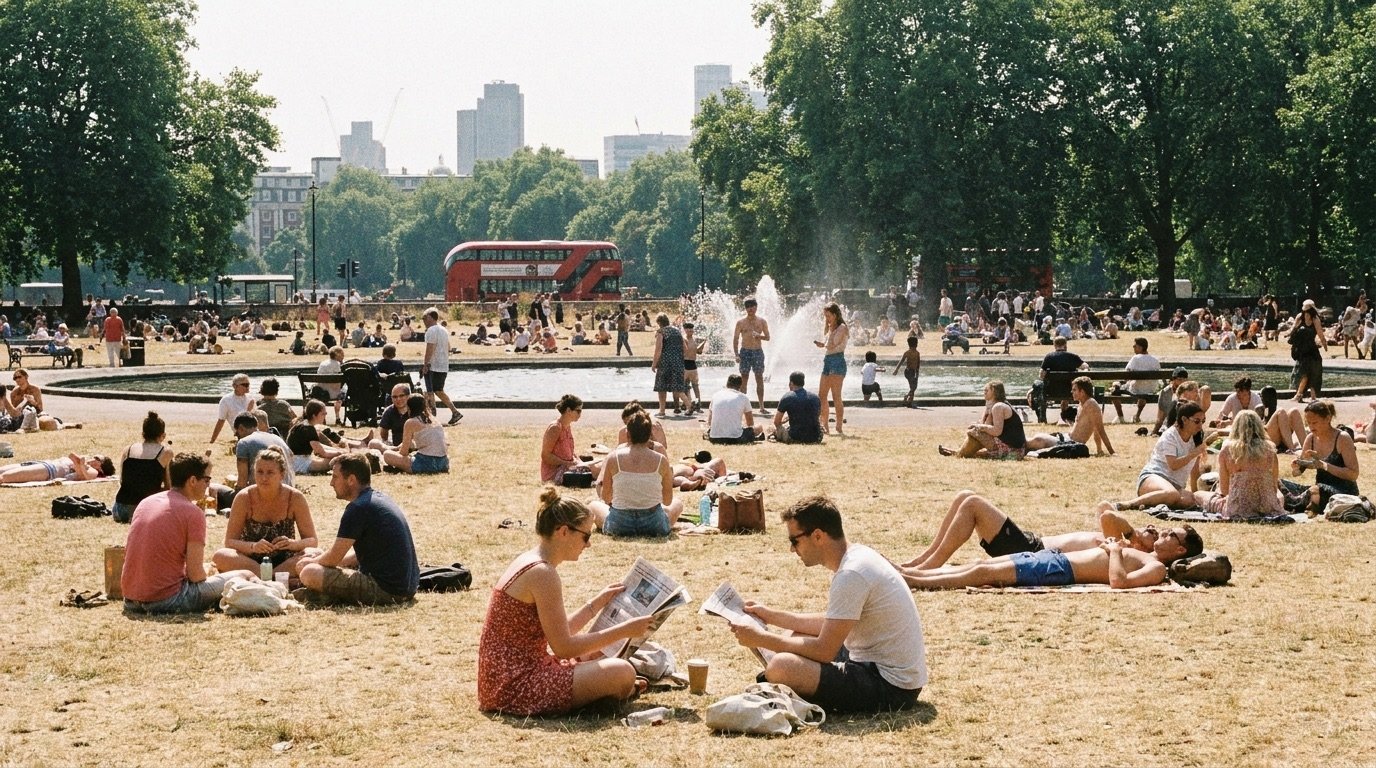
Heat health alert issued as second heatwave builds across England
After a record-breaking May, forecasters warn of another surge of warm air pushing into southern Britain, with temperatures expected to climb into the low thirties before a sharp drop later in the week.
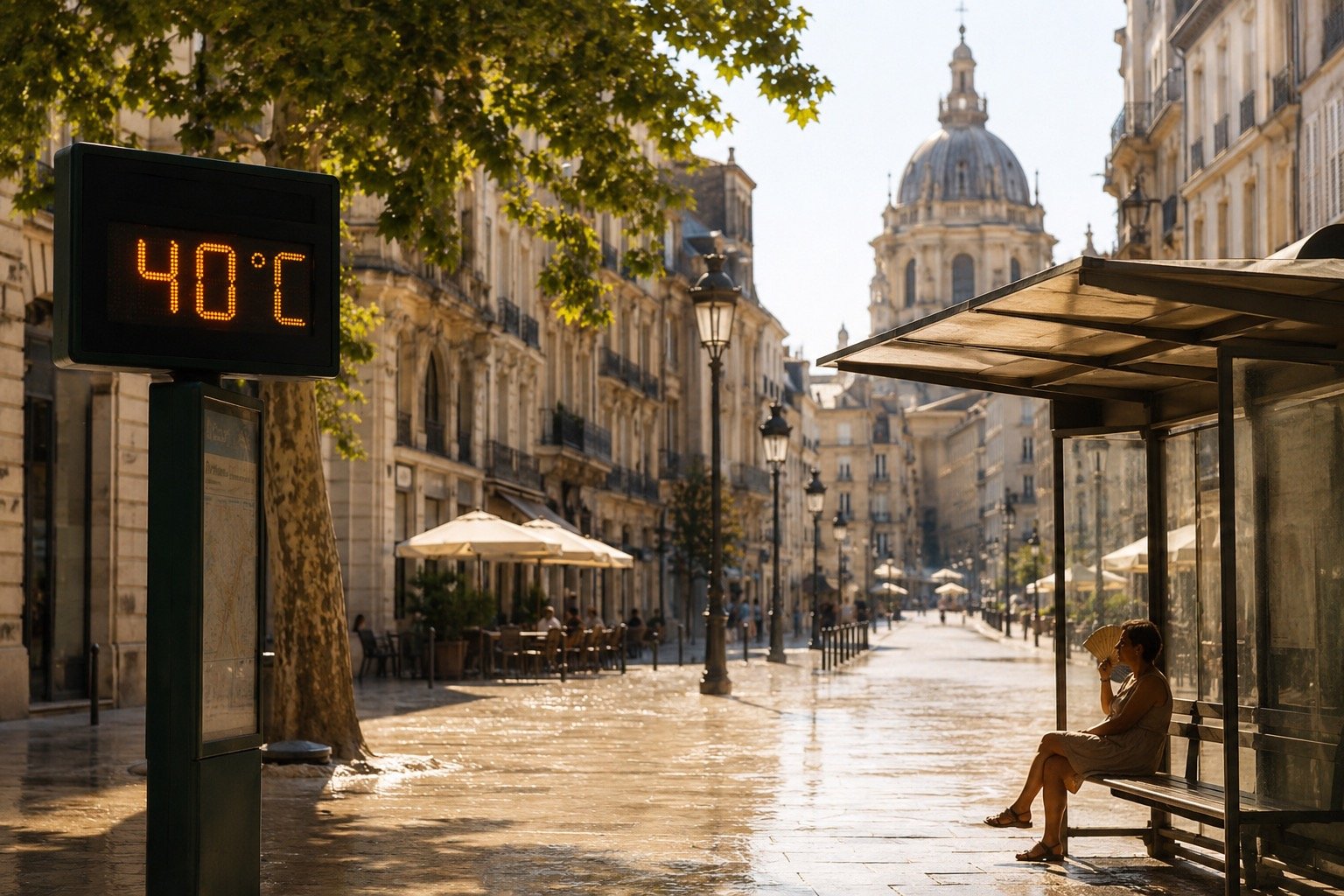
Europe heatwave smashes records as health and infrastructure buckle
Britain logs its hottest June day and France its hottest day on record, with temperatures near or above 40C triggering red alerts across western Europe.
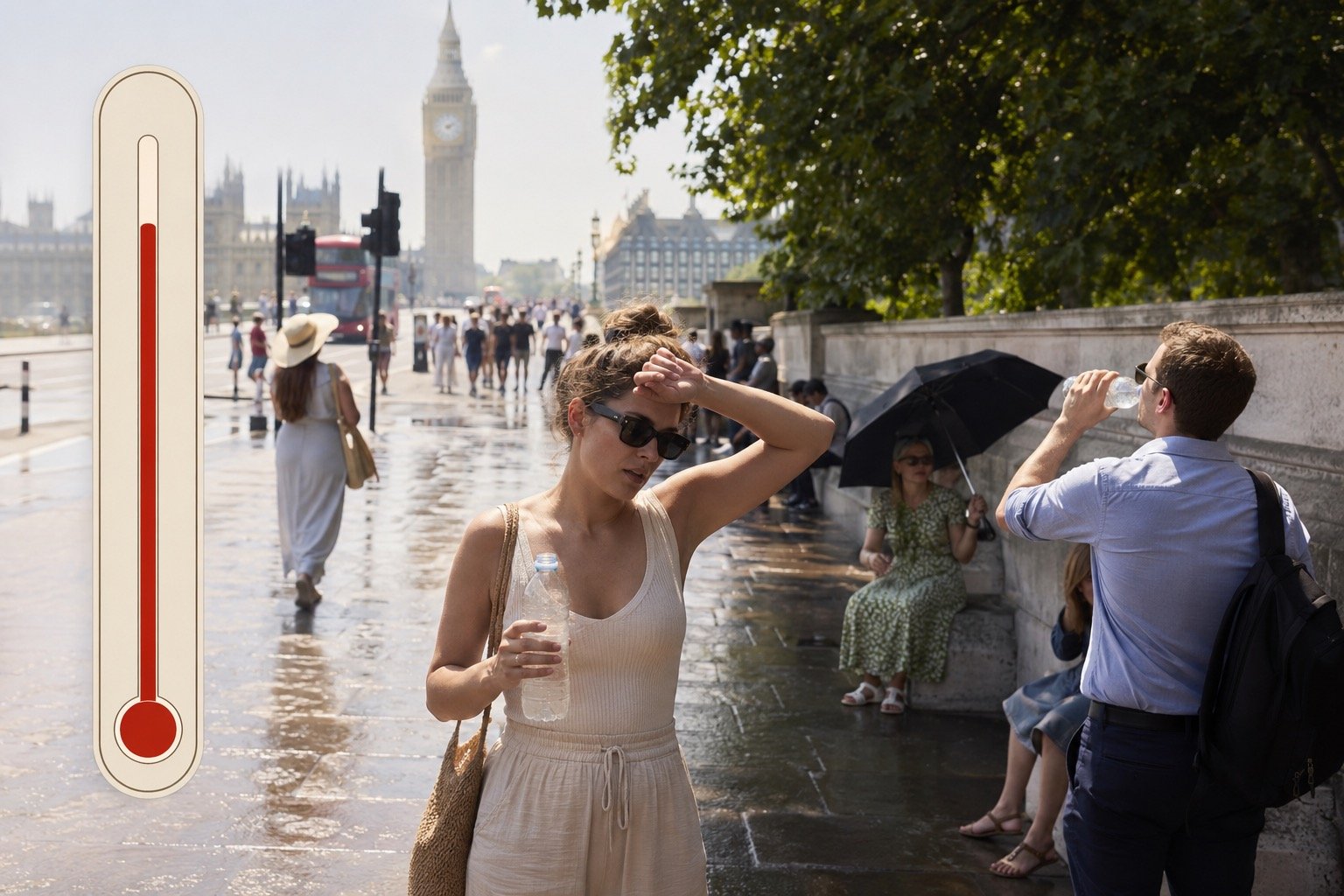
UK records hottest June day as heatwave intensifies
Britain has logged its hottest June day on record as a heatwave drives temperatures sharply higher and warnings are extended.
Amber heat warning grips England as temperatures forecast to hit 38C in record-breaking June heatwave
The Met Office has extended an amber extreme heat warning across southern England and south-east Wales, with the existing June record almost certain to fall as a humid heat dome settles over the country.