Heat health alert issued as second heatwave builds across England
After a record-breaking May, forecasters warn of another surge of warm air pushing into southern Britain, with temperatures expected to climb into the low thirties before a sharp drop later in the week.
Eleanor Whitfield
Writer ·
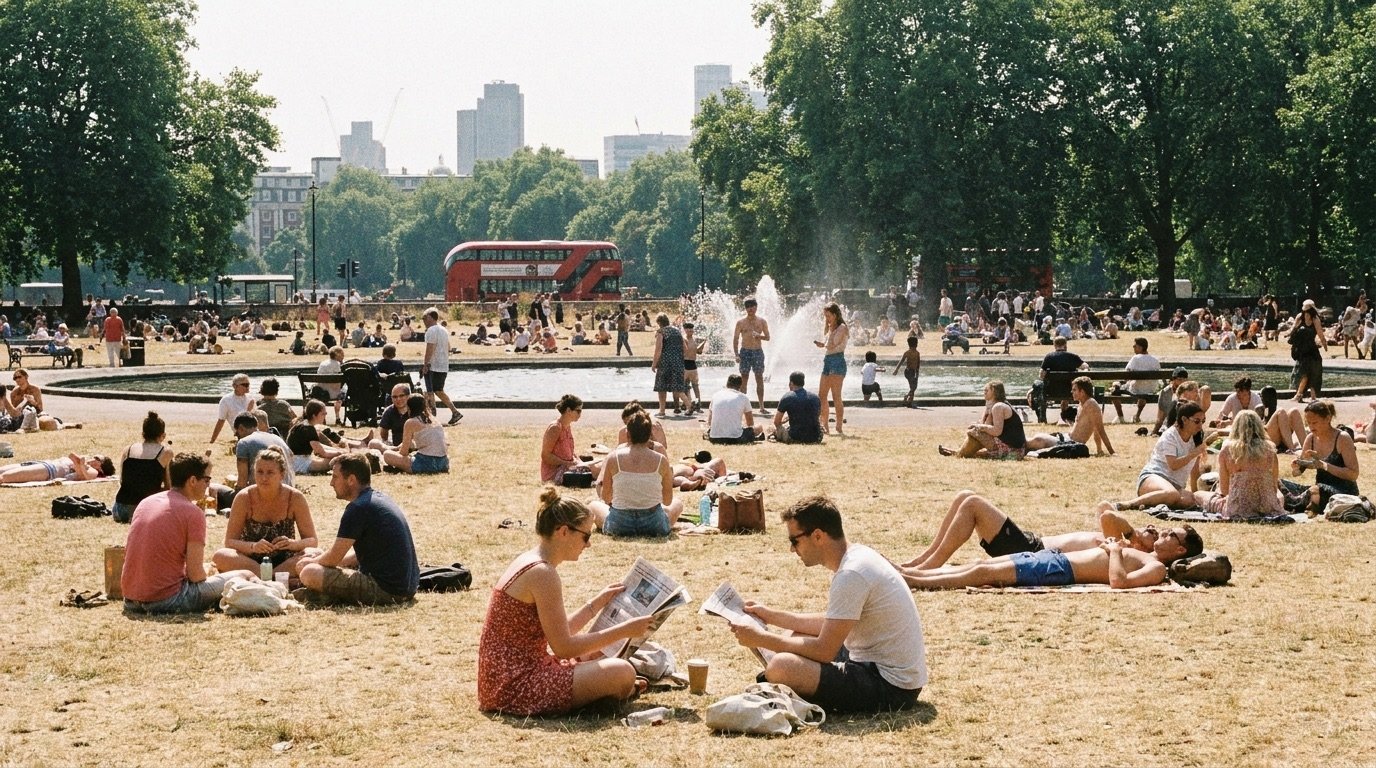
England is bracing for its second significant burst of hot weather in a matter of weeks, with a heat health alert issued across several regions as a plume of warm air pushes up from the Continent. Forecasters expect temperatures to climb into the low thirties in the hottest spots, prompting warnings for the elderly, the very young and people with underlying health conditions.
The UK Health Security Agency, working with the Met Office, has put in place a heat health alert covering the East Midlands, the East of England, London and the South East, running from the afternoon of Wednesday 17 June through to the evening of Monday 22 June. The alert is designed to give the NHS and social-care services time to prepare for the strain that hot weather places on the most vulnerable.
The warm spell follows an extraordinary May, when a record-breaking heatwave saw temperatures peak at 35.1C at Kew Gardens on 26 May, breaking records for the hottest May day in several parts of the country and the highest minimum May temperature on record in the UK. The latest surge is less extreme but still notable for so early in the summer.
When and where the heat will peak
The warm air is forecast to begin pushing into southern Britain on 17 June before reaching its peak the following day, with temperatures potentially hitting around 31C across parts of England. The most intense heat is expected across East Anglia, the South East and parts of the East Midlands, the same broad swathe of the country covered by the health alert.
Forecasters have cautioned that the hot spell may prove short-lived. Temperatures could plummet by almost 10C within days of reaching their peak, as cooler, fresher air sweeps in and the brief taste of high summer gives way to something more typically changeable. That volatility is itself a hallmark of the unsettled patterns that have characterised recent British summers.
Health officials have urged people to take sensible precautions: staying out of the sun during the hottest part of the day, keeping homes cool by closing curtains and windows, drinking plenty of water and checking on elderly or isolated neighbours. They have also reminded the public of the dangers of swimming in open water, which can be deceptively cold even on the hottest days.
“Hot weather can be dangerous, particularly for older people and those with heart or respiratory conditions. We are urging everyone to look out for friends, family and neighbours.”
— Public health official on the heat health alert
A pattern of earlier, hotter summers
Two pronounced heat events before the summer is properly under way has reinforced concern among scientists that extreme heat is arriving earlier and more frequently in the UK. The May heatwave was striking not only for its peak temperatures but for the warmth of its nights, which can be especially taxing on health because the body struggles to recover without a cooler period to rest.
Researchers have long warned that climate change is loading the dice towards hotter, more persistent heatwaves in Britain, a country whose homes, hospitals and transport networks were largely built for a cooler climate. Each new record renews the debate about how the UK should adapt, from overheating in poorly ventilated buildings to the resilience of rail lines and power supplies.
- Heat health alert covers the East Midlands, East of England, London and the South East
- Alert runs from 3pm on 17 June to 8pm on 22 June
- Temperatures could reach around 31C, peaking on 18 June
- Hottest conditions expected across East Anglia, the South East and East Midlands
- May 2026 saw a record 35.1C at Kew Gardens on 26 May
Background
The UK's heat-health alerting system was overhauled in recent years to give clearer, region-by-region warnings and to better link weather forecasts with the response of health and social-care services. Alerts range from yellow through amber to red, reflecting the expected severity and the likely impact on health, and are intended to trigger practical action rather than simply describe the weather.
Summer heat now routinely tests the country's infrastructure, with rail operators imposing speed restrictions to prevent tracks buckling, hospitals managing surges in heat-related admissions and water companies watching demand spike. The repeated arrival of significant heat before midsummer has added urgency to questions about long-term resilience.
What happens next is, for once, relatively clear: a brief but intense burst of heat, followed by a sharp cooldown later in the week. The longer-term message is harder to shake off. With records tumbling earlier each year, the UK looks set to spend many more summers learning to live with the kind of heat it was never designed for.
Sources: reporting by UKHSA / Met Office.
The NE Times is an independent news and analysis publisher. Our articles combine factual reporting with clearly-written, impartial analysis. Content is for general information and does not constitute professional advice. Disclaimer.
You may also like to read
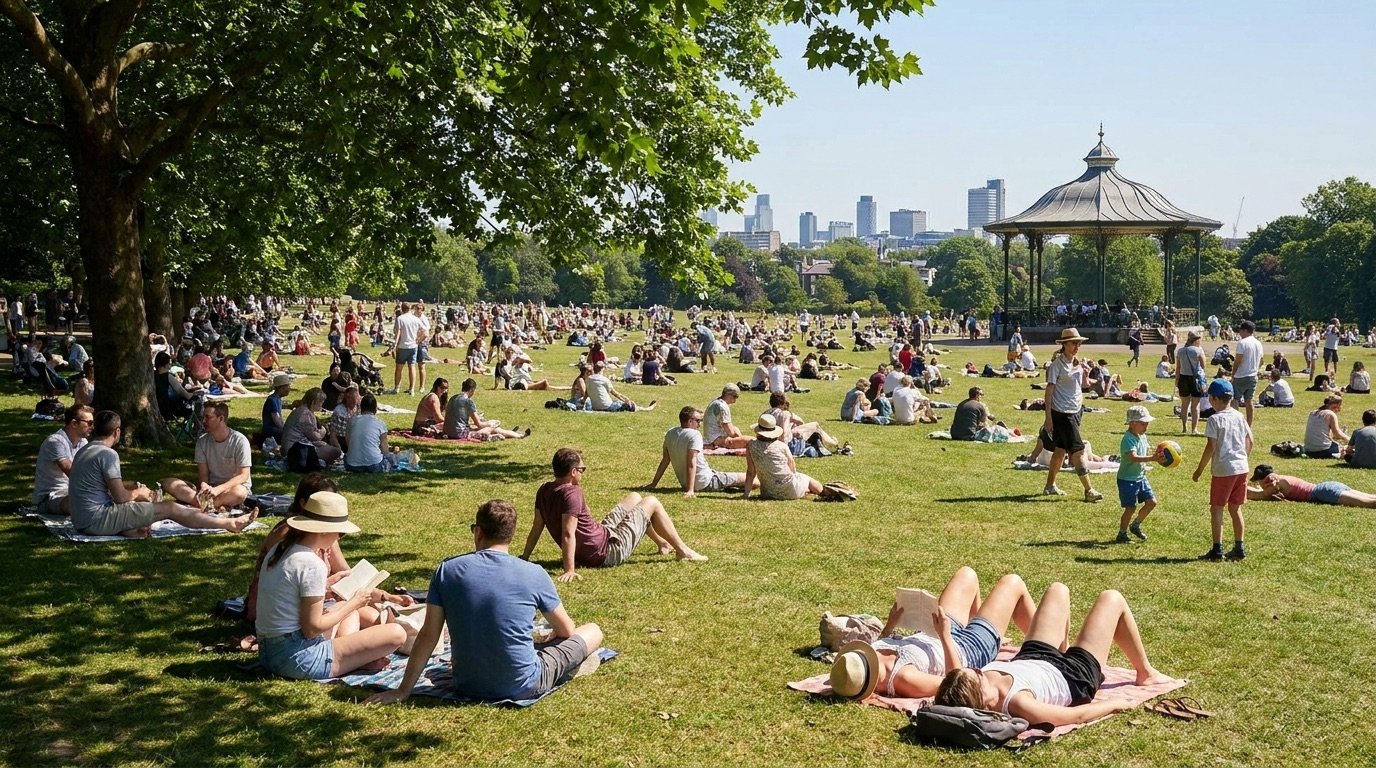
Amber heat-health alerts in force as temperatures push towards 30C across England
Health officials have issued amber alerts for much of England as a fresh heatwave brings temperatures of up to 30C, with fire services warning of wildfire risk and the chance of sudden thunderstorms.

Europe heatwave smashes records as health and infrastructure buckle
Britain logs its hottest June day and France its hottest day on record, with temperatures near or above 40C triggering red alerts across western Europe.
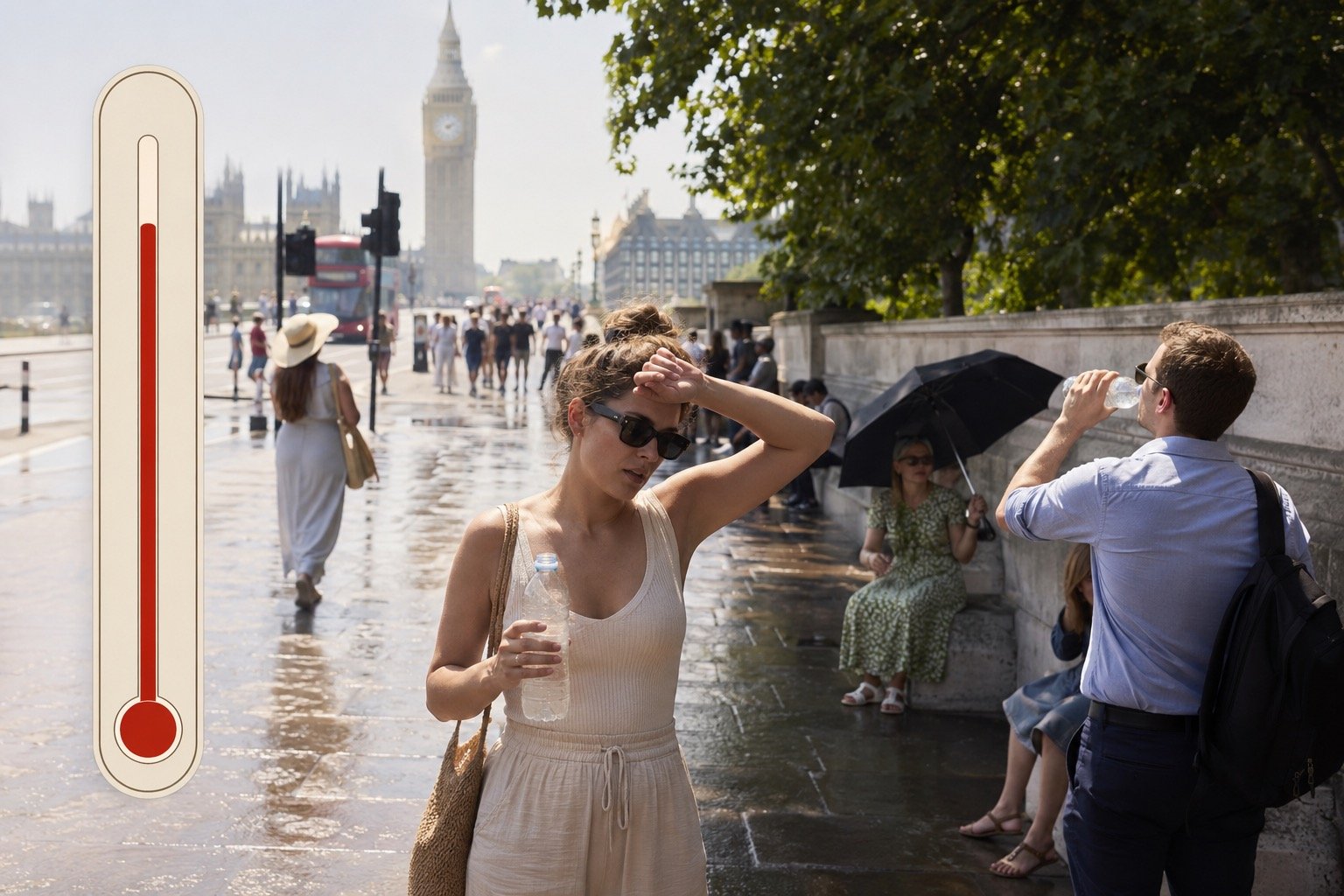
UK records hottest June day as heatwave intensifies
Britain has logged its hottest June day on record as a heatwave drives temperatures sharply higher and warnings are extended.
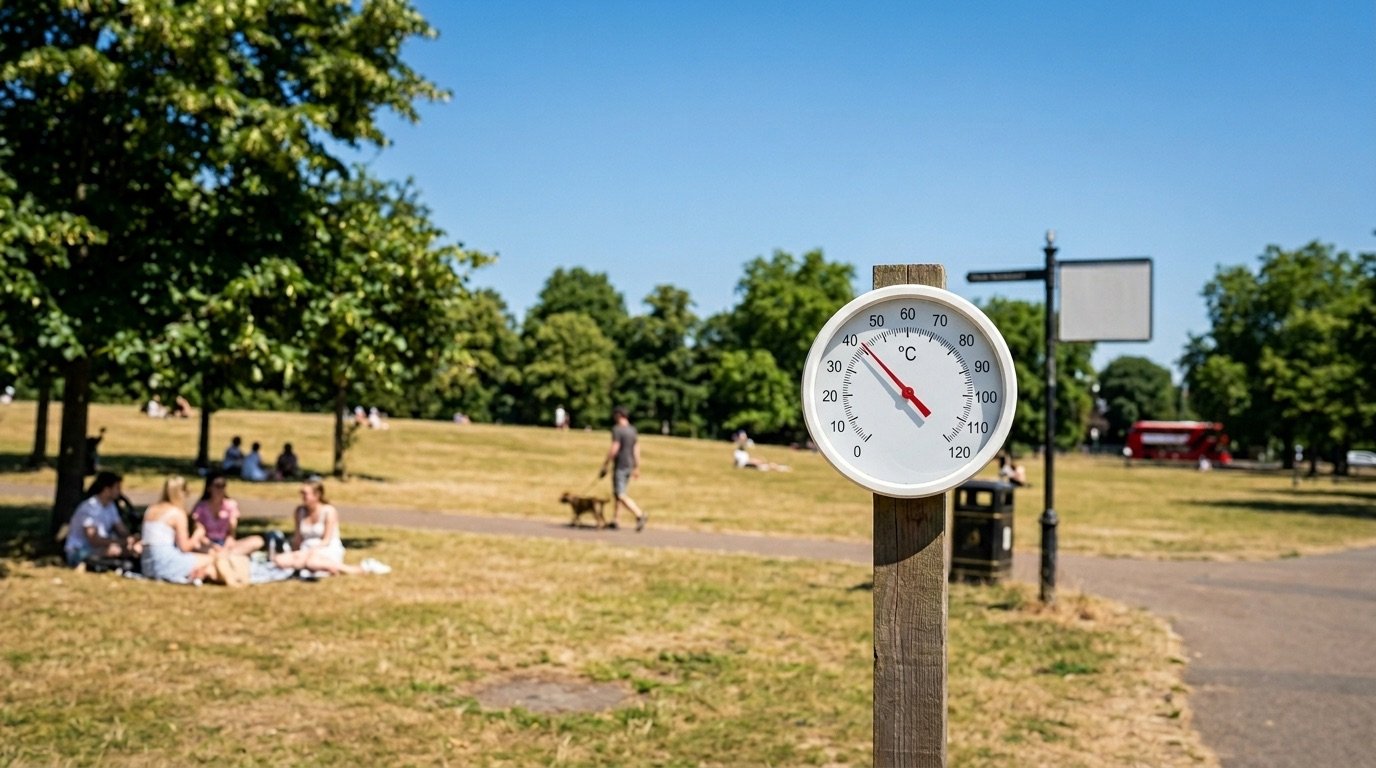
Amber heat warning grips England as temperatures forecast to hit 38C in record-breaking June heatwave
The Met Office has extended an amber extreme heat warning across southern England and south-east Wales, with the existing June record almost certain to fall as a humid heat dome settles over the country.