Counter-Terror Police Take Over the Ann Widdecombe Killing Investigation
Counter-terrorism police are leading the investigation into Ann Widdecombe's death after new evidence emerged, while officers continue to establish motive and pursue multiple lines of inquiry.
UK News & Politics Editor ·
A major change in the investigation
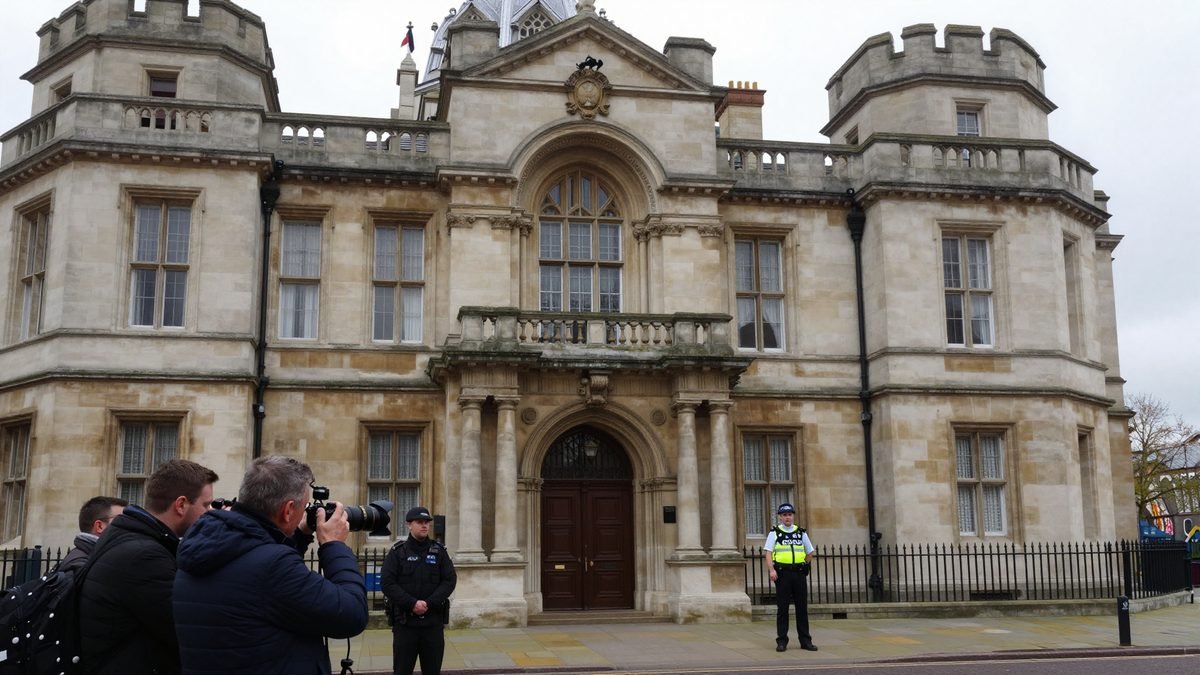
The investigation into the killing of former British politician Ann Widdecombe entered a new and more serious phase on Monday, 13 July 2026, when Counter Terrorism Policing South East assumed the lead. Police said that new information and evidence had changed the direction of the inquiry. A 28-year-old man who had already been arrested on suspicion of murder was rearrested under terrorism legislation on suspicion of the commission, preparation or instigation of acts of terrorism. The announcement immediately became one of the leading UK news stories of the day because it altered the public understanding of a case that police had initially said was not believed to be terror-related or politically motivated.
What is known so far
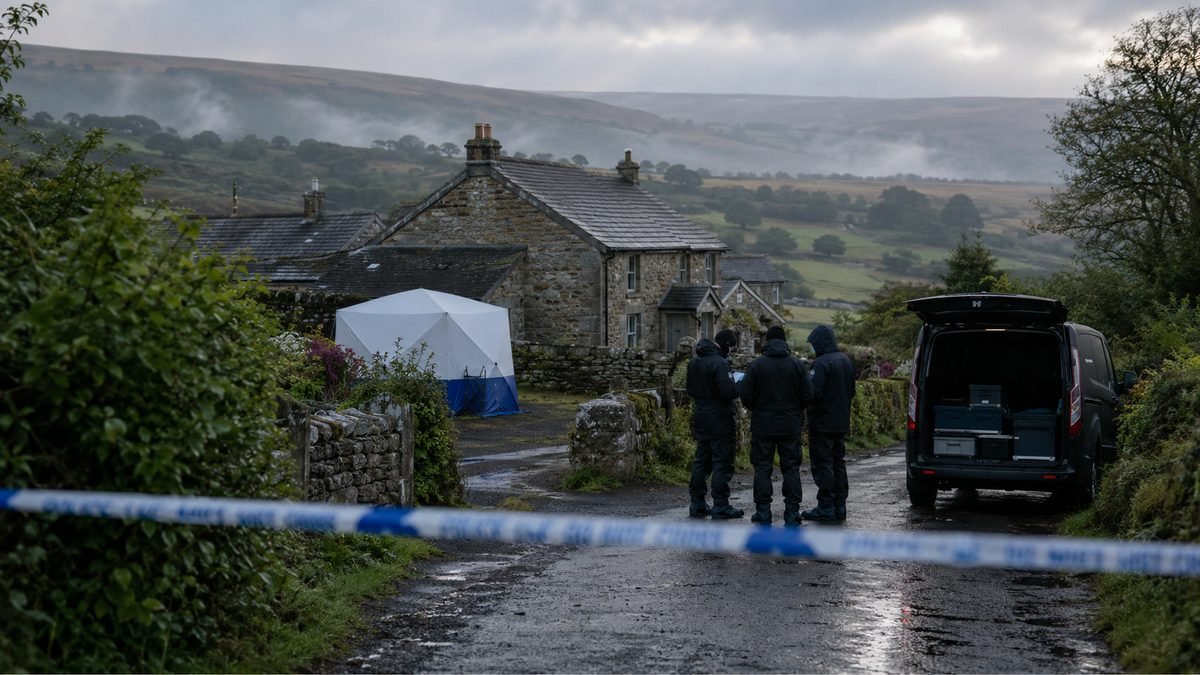
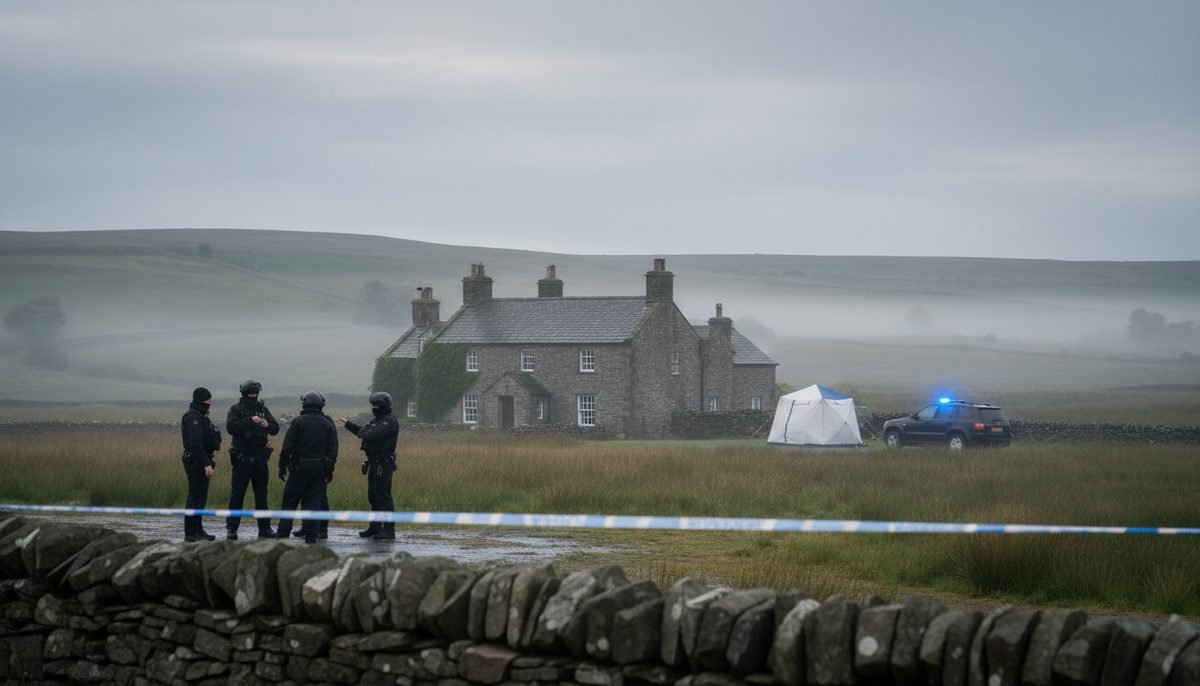
Widdecombe, aged 78, was found dead at her rural home in Haytor, on the edge of Dartmoor in Devon, after sustaining serious injuries. Investigators believe she was attacked at around 12.30pm on Wednesday, 8 July. Concern was raised when she did not appear for a scheduled television interview later that day. The suspect was arrested in South Yorkshire, more than 200 miles from the scene. At the time of writing, he has not been charged, and his identity has not been released. That distinction matters: an arrest permits investigators to question a person and secure evidence, but it is not a finding of guilt. Any responsible account of the Ann Widdecombe investigation must therefore avoid presenting untested allegations as established fact.
Why counter-terrorism leadership matters
A transfer to counter-terrorism command does not, by itself, reveal a proven motive. It does mean that investigators believe specialist powers, intelligence expertise and national coordination are now required. Counter-terror teams can draw on analysts, digital investigators, intelligence partners and officers experienced in examining ideological motivation, networks, online communications and possible links across police force boundaries. Laurence Taylor, the head of National Counter Terrorism Policing, said officers were pursuing multiple lines of inquiry to establish the motivation for the attack. The language is important: police are investigating whether terrorism is involved, not announcing that every relevant question has already been answered.
A public figure with a long and polarising career
Widdecombe served in the House of Commons from 1987 until 2010 and held ministerial roles, including prisons minister, during John Major's Conservative government. She was one of the most recognisable politicians of her generation, known for direct language, strongly held socially conservative views and a willingness to argue unpopular positions. After leaving Parliament, she built a second public career through television appearances, including Strictly Come Dancing and Celebrity Big Brother. She later represented the Brexit Party in the European Parliament and became associated with Reform UK as a media spokesperson. Her visibility ensured that the news of her death travelled far beyond Westminster and prompted tributes from political allies and opponents.
Political security is back in focus
The case has renewed discussion about the safety of people in public life. Britain has painful experience of violence against politicians, including the murders of MPs Jo Cox in 2016 and Sir David Amess in 2021. Those cases were different in circumstances and motive, and it would be wrong to draw premature parallels. Even so, the Widdecombe killing has intensified questions about threats, constituency security, online hostility and the personal exposure faced by politicians, campaigners and media figures. Security must be proportionate and evidence-led, but institutions are likely to review whether current arrangements reflect the changing risks faced by prominent public figures both in office and after leaving it.
The challenge of reporting a developing terrorism inquiry
Fast-moving investigations create a difficult balance for news organisations and online publishers. The public has a legitimate interest in knowing why counter-terror police have taken charge, but excessive speculation can harm an investigation, distress relatives and potentially prejudice future legal proceedings. The safest editorial approach is to distinguish clearly between confirmed facts, police suspicions and unanswered questions. Confirmed facts include the transfer of command, the rearrest under terrorism legislation and the continuing effort to establish motive. Unanswered questions include whether the suspect acted alone, whether an ideology was involved, what evidence prompted the change and whether prosecutors will authorise charges.
What investigators may examine next
Without speculating about evidence that has not been made public, a terrorism investigation commonly examines digital devices, travel, financial records, communications, social-media activity and possible contact with other individuals or groups. Officers may also reconstruct movements before and after the attack, review camera footage and speak to witnesses who interacted with the victim or suspect. Because the arrest occurred far from Devon, investigators will be interested in the route between locations and any relevant stops. Forensic examination of the home and associated vehicles may continue for days or weeks. The process is often slow because each piece of material must be collected, documented and assessed to the standard required for court.
Why restraint remains essential
The phrase terrorism investigation UK is likely to dominate search traffic around this case, but the most responsible reporting will resist turning uncertainty into a finished narrative. Terrorism law covers a range of conduct and investigative thresholds. A rearrest under those powers is significant, yet it does not prove a political, religious or ideological motive. The suspect is entitled to due process, while Widdecombe's family and friends are entitled to dignity and accurate information. Public commentary should not amplify rumours about ethnicity, ideology or organisational links unless police or prosecutors provide reliable evidence.
The wider significance
This case is likely to remain a major British political security story because it sits at the intersection of violent crime, terrorism law and the protection of public figures. It may also test public confidence in the speed and transparency of official communication. Police will need to provide enough information to reassure communities without compromising evidence. Politicians will need to avoid exploiting a tragedy before the facts are known. For readers, the central point is straightforward: the investigation has changed substantially, specialist officers are now in control and motive remains under active investigation. The next decisive development would be a charging decision, a further arrest, or a detailed police statement explaining the basis of the terrorism line of inquiry.
Source notes
- Associated Press, 13 July 2026
- Sky News Politics Hub, 13 July 2026
Filed under UK News · Written by Eleanor Whitfield