Met Office signals hotter, more settled spell as late June heat builds
Forecasters expect high pressure to bring warmer, drier conditions towards the end of June, with temperatures climbing into the low 30s in places.
Eleanor Whitfield
Writer ·
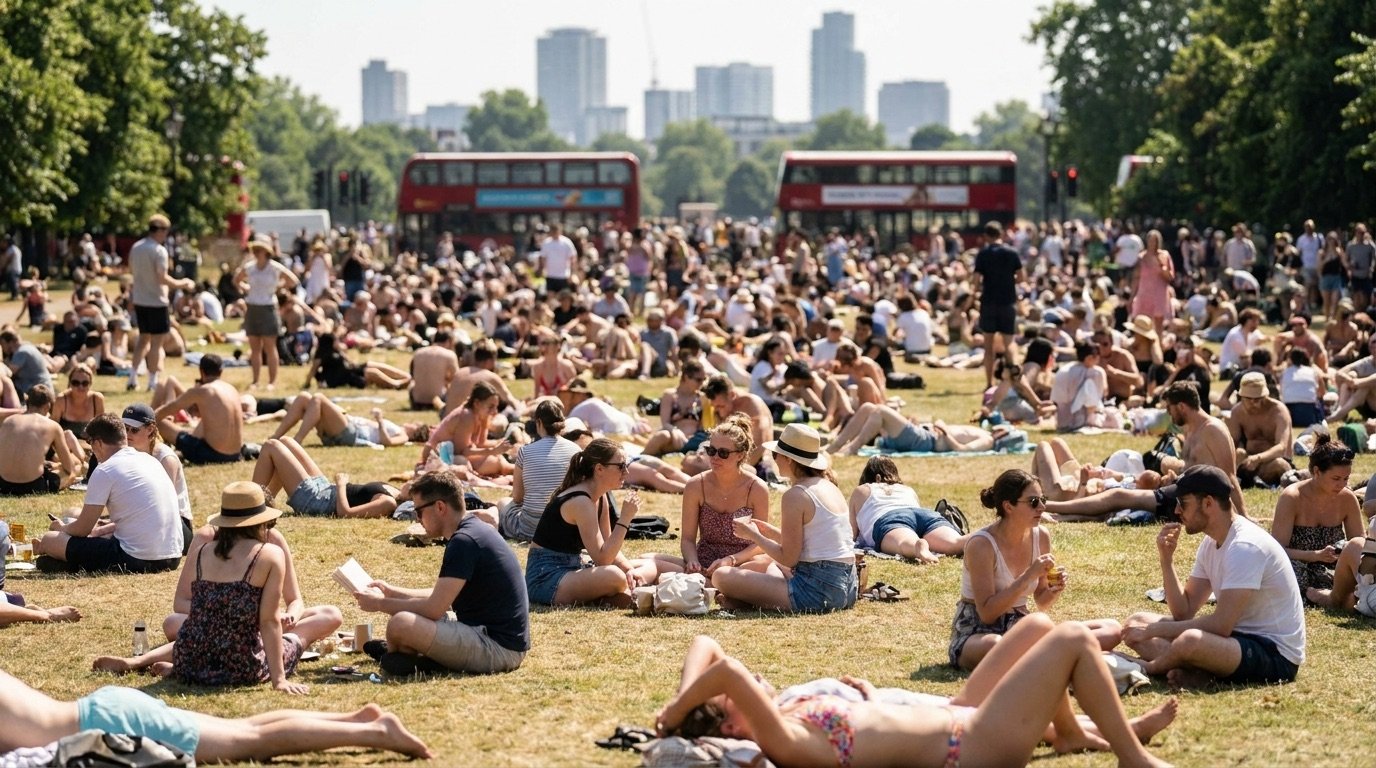
The Met Office has signalled that the UK is likely to see warmer and more settled conditions towards the end of June, as high pressure builds across much of the country. After a changeable start to the month, the shift towards drier, sunnier weather will be welcomed by many, though forecasters have urged the public to prepare for the heat that may accompany it.
High pressure systems tend to suppress cloud formation and bring lighter winds, allowing temperatures to climb steadily over successive days. When such a system settles over the UK in summer, the result is often the kind of prolonged warm spell that pushes thermometers well above the seasonal average, particularly across southern and eastern parts of the country.
In the nearer term, forecasters expect a split in conditions, with the north and west cloudier and prone to spells of rain, while the south-east stays drier and warmer. The combination of heat and humidity brings a risk of thunderstorms breaking out in places, a common feature of British summers when warm, moist air becomes unstable.
Temperatures on the rise
As the month progresses, settled conditions are expected to become more widespread, with temperatures probably remaining above average and some areas potentially reaching the low 30s Celsius. Such readings, while not unprecedented, are notably warm for June and can place strain on people, infrastructure and services if they persist for several days.
Forecasters caution that the exact timing and intensity of any hot spell remains uncertain, and that the picture could change as the period approaches. Confidence in the broad pattern of warmer, more settled weather is reasonably high, but the precise peak temperatures and the extent of any heat across the whole country are harder to pin down at this range.
“High pressure is set to dominate, bringing a spell of warm and largely dry weather to much of the country.”
— A Met Office forecaster
Staying safe in the heat
Forecasters have urged the public to take sensible precautions during periods of high heat, including staying hydrated and checking on vulnerable friends and relatives, while keeping an eye on updated warnings. Hot weather can pose particular risks to older people, young children and those with underlying health conditions, and health bodies routinely issue guidance when temperatures are expected to climb.
- Drink plenty of water and avoid excessive alcohol during hot spells
- Keep homes cool by closing curtains on sun-facing windows during the day
- Avoid strenuous activity during the hottest part of the afternoon
- Check on elderly neighbours, young children and those who are unwell
- Never leave people or pets in parked vehicles
Heat and a changing climate
Warmer summers and more frequent hot spells are consistent with the longer-term trend towards a changing climate, and scientists note that the kind of heat once considered exceptional is becoming more common. While no single warm spell can be attributed solely to climate change, the background warming of the planet shifts the odds towards hotter extremes.
That trend has prompted growing attention to how the UK adapts, from the resilience of transport networks in high temperatures to the design of homes and the readiness of health services. Periods of intense heat that might once have been rare are increasingly part of the planning assumptions for public bodies and businesses alike.
Periods of settled, hot weather also bring practical challenges that extend beyond personal health. Transport operators often impose speed restrictions when rails are at risk of buckling, water demand surges as gardens and allotments are watered, and the risk of grass and heath fires rises sharply where ground has dried out. Forecasters and emergency services frequently coordinate during prolonged heat to anticipate these knock-on effects.
The contrast between the cloudier, wetter north and west and the drier, warmer south-east is a recurring feature of British summers, reflecting the way weather systems track across the country. Even within a single warm spell, conditions can vary considerably from one region to another, and a sunny afternoon in the south can coincide with overcast skies and showers in parts of Scotland and Northern Ireland.
“Even a few days of intense heat can have wide-ranging effects, so it pays to plan ahead.”
— A public health official
For now, the immediate message is one of enjoyment tempered by caution. The late-June warmth offers a welcome chance to make the most of the outdoors, but forecasters and health officials alike are encouraging people to stay informed, take simple precautions and look out for those most at risk as the temperatures rise. Updated forecasts and any formal warnings will provide the clearest guide as the period unfolds.
Sources: reporting by Met Office.
The NE Times is an independent news and analysis publisher. Our articles combine factual reporting with clearly-written, impartial analysis. Content is for general information and does not constitute professional advice. Disclaimer.
You may also like to read
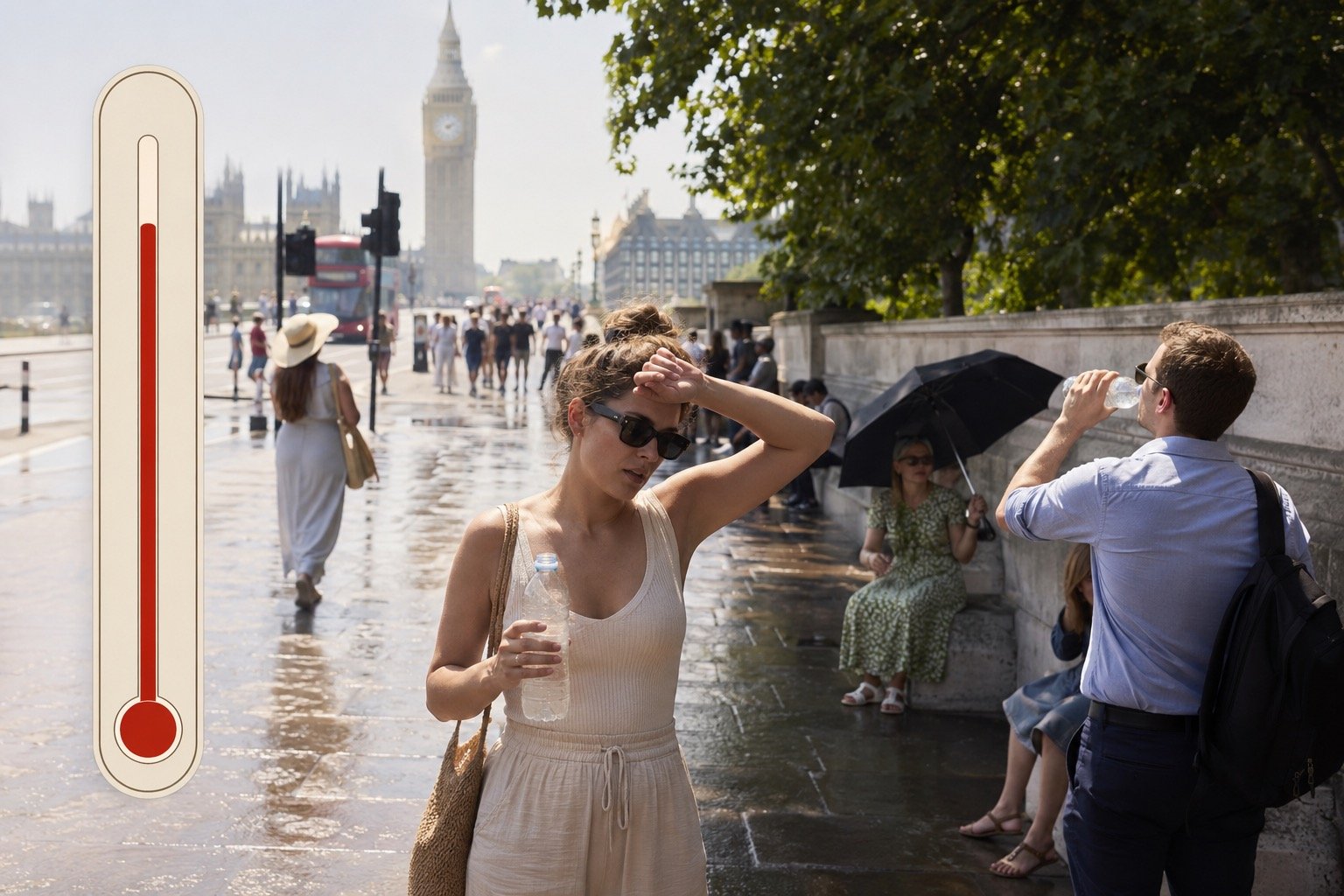
UK records hottest June day as heatwave intensifies
Britain has logged its hottest June day on record as a heatwave drives temperatures sharply higher and warnings are extended.
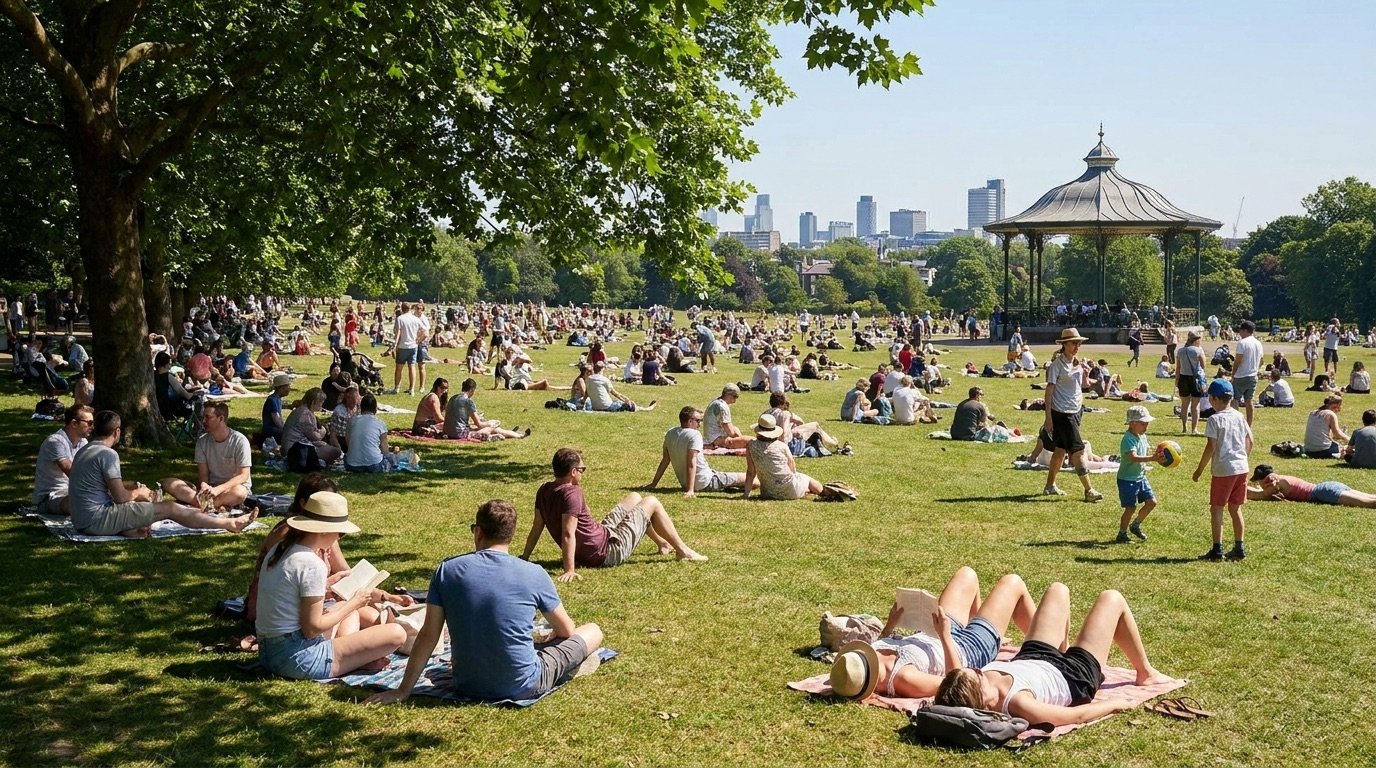
Amber heat-health alerts in force as temperatures push towards 30C across England
Health officials have issued amber alerts for much of England as a fresh heatwave brings temperatures of up to 30C, with fire services warning of wildfire risk and the chance of sudden thunderstorms.
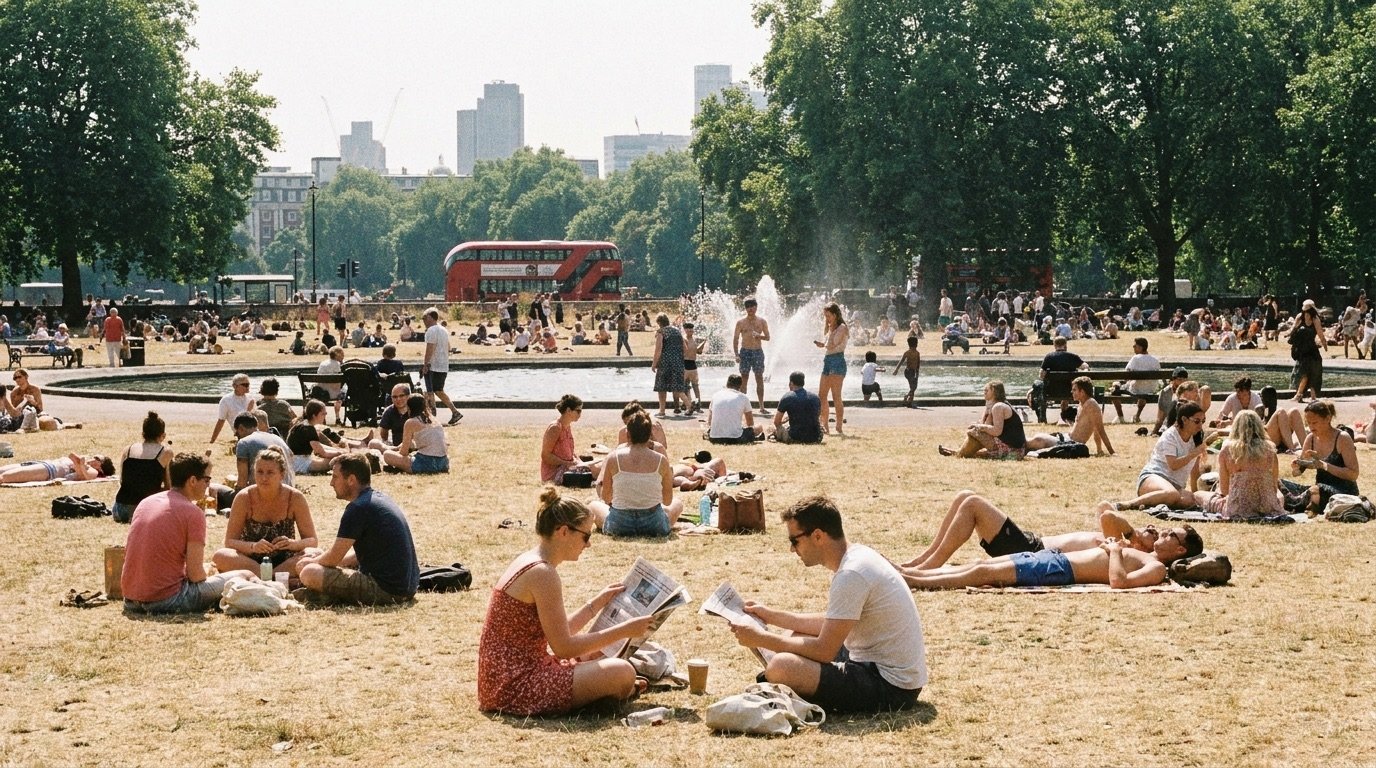
Heat health alert issued as second heatwave builds across England
After a record-breaking May, forecasters warn of another surge of warm air pushing into southern Britain, with temperatures expected to climb into the low thirties before a sharp drop later in the week.
Europe heatwave smashes records as health and infrastructure buckle
Britain logs its hottest June day and France its hottest day on record, with temperatures near or above 40C triggering red alerts across western Europe.