Family returns plan sparks backlash as charities warn of 'enforced destitution'
A 12-week consultation on returning refused families would scale back support for those with no legal right to remain. Refugee groups say the proposals risk pushing children into poverty.
Eleanor Whitfield
Writer ·
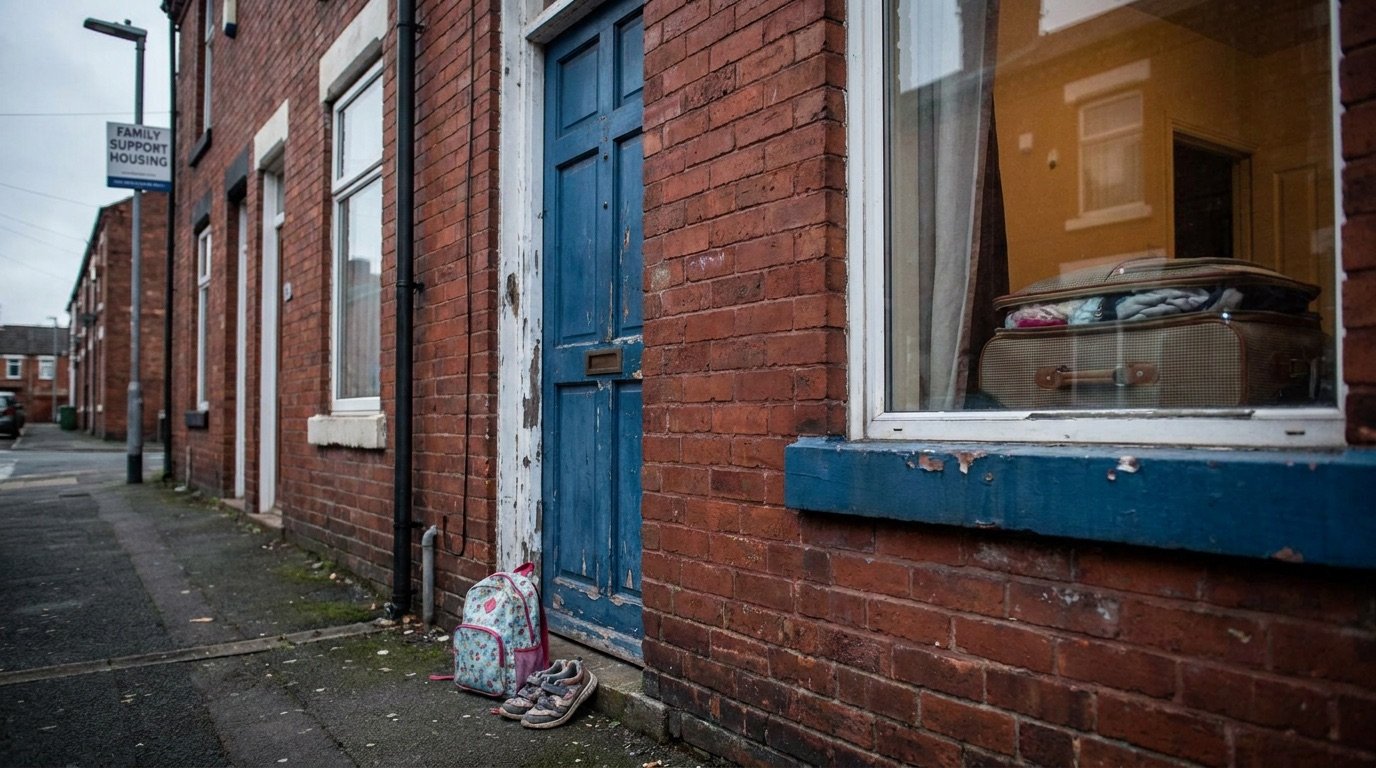
A government consultation on how to return families who have no legal basis to remain in the UK has drawn sharp criticism from refugee and women's rights organisations, who say the proposals would in effect use destitution as a tool of immigration enforcement.
The 12-week consultation, launched alongside the wider asylum reforms set out in March 2026, seeks views on commencing parts of the Immigration Act 2016 that reshape the support available to families and the circumstances in which that support can be reduced or withdrawn.
It also asks how the government should enforce the return of families who do not leave voluntarily, including when physical intervention might be used during an enforced removal.
What the proposals would change
At present, families with children under 18 can continue to receive Section 95 asylum support indefinitely after a claim is refused. The reforms under Schedule 11 of the 2016 Act would narrow that, offering Home Office support to refused families only in defined circumstances.
The plans would abolish the existing Section 4 support and introduce a new form of support, known as Section 95A, for refused asylum seekers who would otherwise be destitute and who face a 'genuine obstacle' to leaving the UK.
- Support for refused families limited to specified circumstances rather than continuing automatically
- Abolition of Section 4 support and creation of a new Section 95A
- A 'genuine obstacle' test before discretionary support is offered
- Proposals on the use of physical intervention during enforced family returns
Charities warn of harm to children
Refugee and migrants' rights organisations have responded with alarm, arguing that families with children should not be made destitute to encourage departure and that the changes risk breaching safeguarding duties.
Groups working with migrant women have been especially critical, warning that survivors of domestic abuse and trafficking could be left without a safety net, and that the threat of removing support disproportionately affects single-parent households.
“You cannot make a child destitute in order to make a point about immigration control. These proposals risk cruelty as policy.”
The government's case
Ministers say the current arrangements create a perverse incentive for families to remain after their claims have failed, and that a fair system must include a credible and humane process for return when there is no legal right to stay.
The Home Office argues that voluntary return is always the preferred route, and that the consultation is genuinely seeking views on how enforcement should operate, including the safeguards that should apply when families do not leave of their own accord.
“A functioning asylum system has to include returns. Without them, public confidence collapses and the whole system loses its legitimacy.”
Background
The family returns consultation is one strand of a broad asylum and returns programme rolled out across 2026, which also shortened refugee leave to 30 months, moved asylum support from a legal duty to a discretionary power, and proposed an Independent Appeals Body to tackle the tribunal backlog.
Devolved bodies and Scottish refugee organisations have submitted their own responses, highlighting the tension between reserved immigration powers and devolved responsibilities for child welfare and housing.
What happens next
Once the consultation closes, the government will consider responses before deciding whether and how to commence the relevant provisions of the 2016 Act. The fiercest battles are likely to be over the support changes affecting children and the rules governing enforced removals, both of which campaigners have signalled they may challenge.
Sources: reporting by Asylum Matters / LAWRS.
The NE Times is an independent news and analysis publisher. Our articles combine factual reporting with clearly-written, impartial analysis. Content is for general information and does not constitute professional advice. Disclaimer.
You may also like to read

New independent asylum appeals body promised as tribunal backlog passes 139,000
Ministers want to lift asylum and human-rights appeals out of the overloaded courts and into a faster body of trained adjudicators. Lawyers warn speed must not come at the cost of fairness.
Europe tightens its returns rules as the UK-France pilot enters its decision phase
Brussels has agreed a sweeping new EU Returns Regulation just as the New Pact on Migration and Asylum takes effect — reshaping the legal landscape around the UK's 'one-in, one-out' arrangement with France.

Backlog at five-year low as Home Office leans on cash-for-returns pilot
Initial-decision asylum cases have fallen to around 35,700, their lowest since 2020, while a new pilot offering families up to £40,000 to leave voluntarily faces questions over how many have actually taken it up.

710 in one day: Channel sees its busiest day of 2026 as summer crossing season opens
Some 710 people arrived on 11 boats on 15 June, the largest single-day total of the year so far, after a six-day weather lull — underlining how quickly arrivals climb once conditions calm.