Illegal working raids hit record levels as employer fines top £130m
Enforcement teams carried out more than 17,400 raids in 18 months, and right-to-work duties are set to extend to gig workers and agency staff for the first time.
Eleanor Whitfield
Writer ·
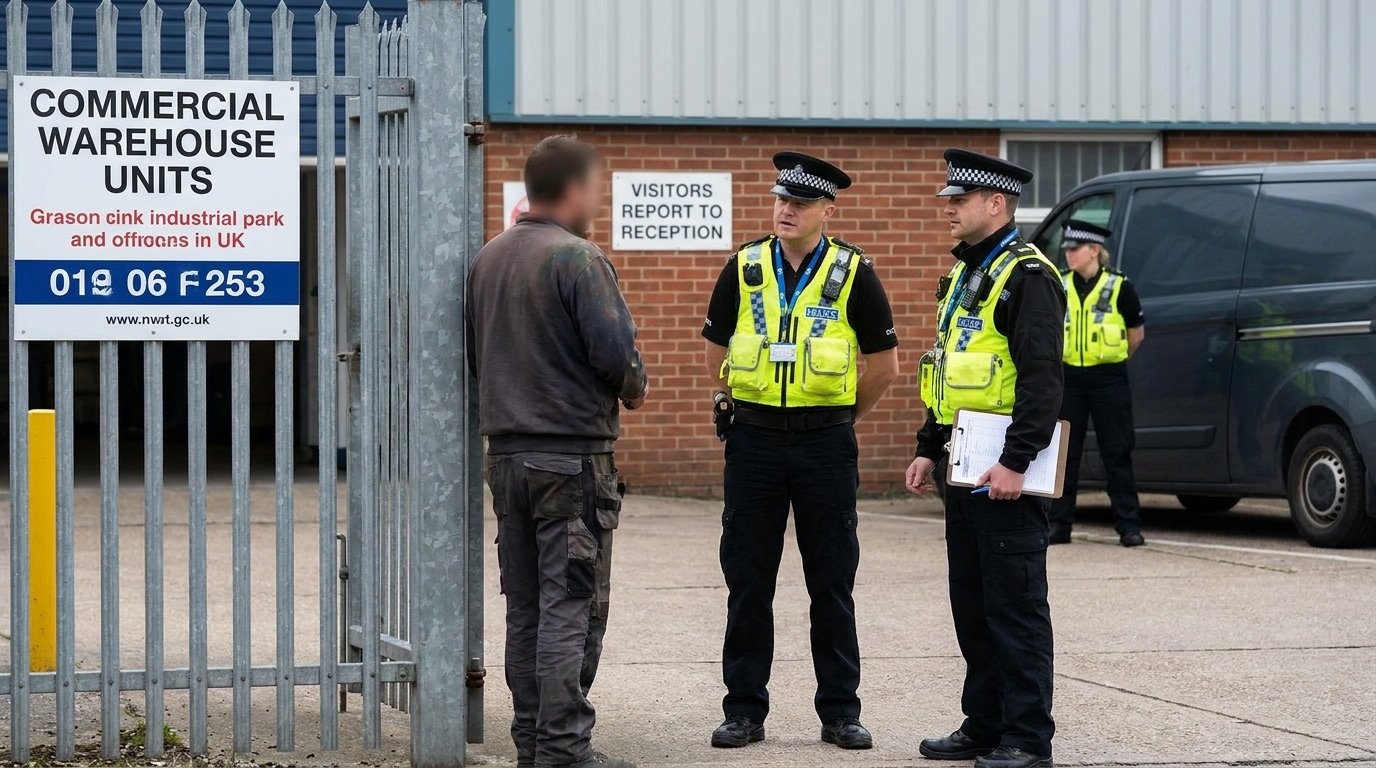
Immigration enforcement against illegal working has reached the highest level in British history, with the Home Office reporting more than 17,400 raids carried out between July 2024 and December 2025, a 77 per cent increase that led to over 12,300 arrests.
The figures form the centrepiece of a government drive to show that toughness on the asylum and small-boats crisis is matched by action against the businesses that employ people without the right to work in the UK.
Employers now face the prospect of unlimited or sharply higher fines, and a major expansion of right-to-work checks is on the horizon under the Border Security, Asylum and Immigration Act 2025.
The penalties businesses face
During 2025, the Home Office issued 2,438 civil penalties to employers, totalling more than £130 million in fines. Penalties of up to £60,000 per illegal worker now apply, and fines around £45,000 per worker for a first offence have become routine.
Enforcement has spread well beyond the car washes and nail bars of the headlines, with restaurants, hotels, care homes and construction sites increasingly targeted. The construction sector alone has faced millions of pounds in penalties.
- More than 17,400 enforcement visits between July 2024 and December 2025
- Over 12,300 arrests linked to illegal working
- 2,438 civil penalties issued in 2025, totalling over £130m
- Civil penalties of up to £60,000 per illegal worker
Right-to-work checks to widen
The 2025 Act will extend right-to-work obligations to gig-economy workers, subcontractors and agency staff for the first time, closing a gap that critics say allowed some employers to sidestep checks by classifying staff as self-employed.
Operational guidance is expected over 2026 and into 2027, with delivery firms, ride-hailing platforms and labour agencies among those that will need to verify the status of people they engage.
“If you profit from someone's labour, you are responsible for checking they are allowed to work here. The days of looking the other way are over.”
Smarter detection
The Home Office says it is moving beyond tip-offs, cross-referencing HMRC PAYE data against its Sponsor Management System and conducting remote desk audits. Officials say a data discrepancy can now be enough to trigger scrutiny.
Business groups have broadly accepted the principle of enforcement but warn that the burden falls heavily on small firms, and that honest employers risk penalties for paperwork errors rather than deliberate wrongdoing.
“Legitimate small businesses want a level playing field, but they also need clear guidance and a fair appeals process, not a presumption of guilt.”
Background
The enforcement surge accompanies a wider package of asylum and immigration measures introduced through 2026, from a shortened grant of refugee leave to a visa 'brake' on certain nationalities and reforms to the appeals system. Ministers argue that workplace enforcement removes a key pull factor for irregular migration.
Campaigners caution that aggressive raids can drive exploited workers further underground and deter victims of modern slavery from coming forward, blunting the policy's stated aims.
What happens next
The key test will be the rollout of expanded right-to-work duties to the gig economy, where the practicalities of checking large, fluid workforces remain unresolved. How the Home Office balances deterrence against the risk of pushing vulnerable workers into the shadows will shape the policy's real-world impact.
Sources: reporting by GOV.UK.
The NE Times is an independent news and analysis publisher. Our articles combine factual reporting with clearly-written, impartial analysis. Content is for general information and does not constitute professional advice. Disclaimer.
You may also like to read

People-smuggling arrests jump 55% as NCA targets the gangs behind the boats
Around 300 arrests in the year to April 2026, 400 disruptions of criminal networks and more than 500 boats and engines seized: the National Crime Agency sets out the scale of its campaign against Channel smuggling.

Watchdog warning collides with the politics: large asylum sites 'cost more than hotels'
Auditors have found the Home Office's flagship large-site accommodation costs more per night than hotels while delivering fewer beds — a finding that lands as parties sharpen rival deportation pledges ahead of the next election.

New independent asylum appeals body promised as tribunal backlog passes 139,000
Ministers want to lift asylum and human-rights appeals out of the overloaded courts and into a faster body of trained adjudicators. Lawyers warn speed must not come at the cost of fairness.

Immigration becomes a fault line as Labour leadership race opens
With Sir Keir Starmer announcing his resignation, the battle to succeed him will be fought partly over asylum, deportations and whether Britain should stay in the ECHR.