Starmer fights for survival as Labour leadership crisis deepens
Almost a hundred Labour MPs have called on the prime minister to go, but Sir Keir insists he will stay the course and fight any challenge.
Eleanor Whitfield
Writer ·
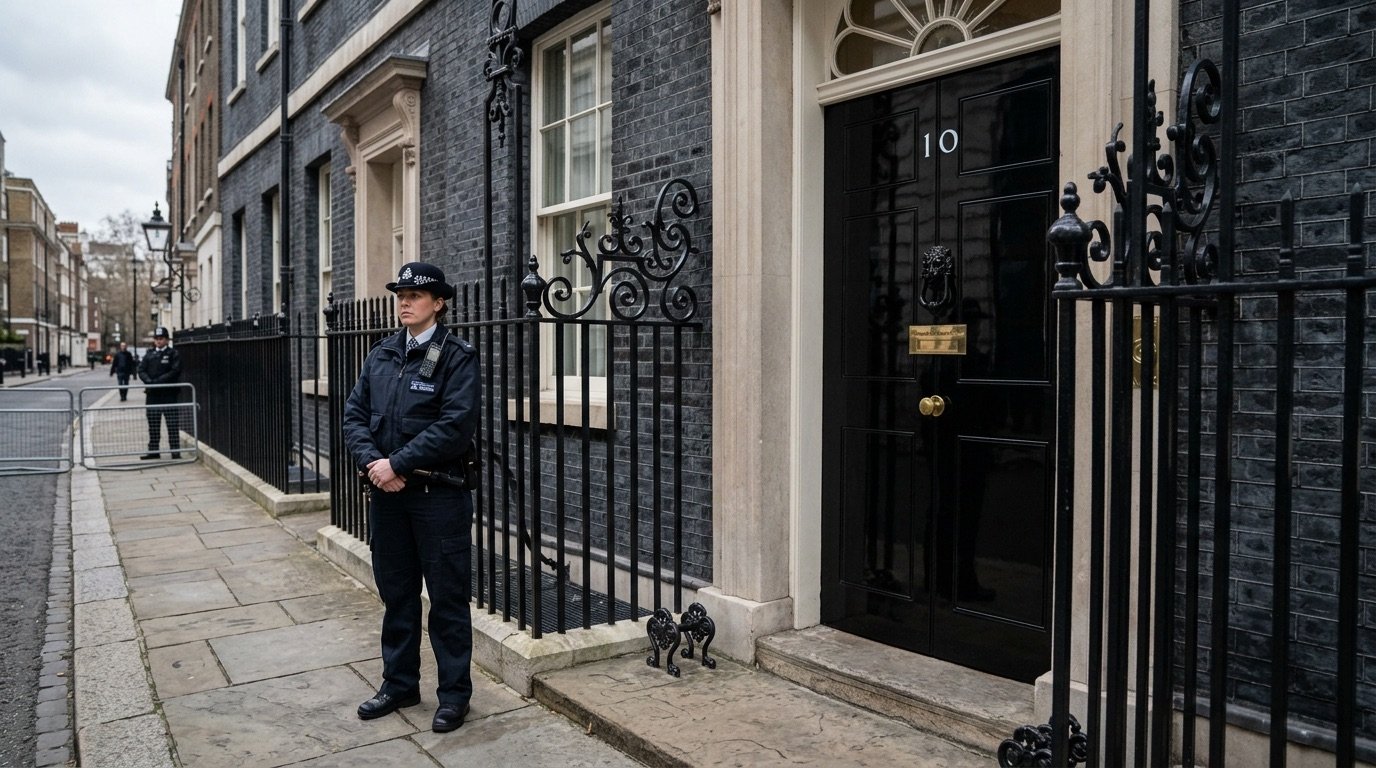
Sir Keir Starmer is fighting for his political life as the worst leadership crisis to grip the Labour Party in a generation enters a critical phase. With a string of ministers having walked out and dozens of his own MPs in open revolt, the prime minister has been forced to insist repeatedly that he will not be driven from office.
The turmoil, which erupted in early May, has seen one cabinet minister, four junior ministers and four ministerial aides resign in protest at the direction of the government. By the middle of last month more than 95 Labour MPs had publicly called on Sir Keir either to resign or to set out a timetable for his departure.
The prime minister has responded with defiance, telling supporters he intends to "stay the course" and warning that removing him would plunge the country into chaos. He has also made clear he would stand and fight in any formal leadership contest rather than step aside quietly.
How the revolt unfolded
The crisis has drawn fire from across the political spectrum within Labour's ranks. On the right of the party, MPs have criticised the government's handling of immigration and a series of tax rises. On the left, anger has centred on the government's position on the conflict in Gaza, its welfare reforms and its refusal to introduce a wealth tax.
The first cabinet resignation came from Miatta Fahnbulleh, a housing, communities and local government minister, who quit and openly urged Sir Keir to set a timetable for handing over. Her departure was followed by the much higher-profile exit of the health secretary, deepening the sense that the prime minister's authority was draining away.
“He will not lead the Labour Party into the next general election. We need a bold vision and bigger solutions than we are offering.”
The contenders waiting in the wings
Speculation about possible successors has intensified with every fresh resignation. The most talked-about figure is Andy Burnham, the Greater Manchester mayor, who is contesting a by-election in Makerfield this week with the explicit aim of returning to Parliament and mounting a challenge. Several departed ministers have also been floated as potential candidates, though none has formally declared.
Sir Keir's allies argue that the lack of a single, unifying challenger is his greatest asset. Without an agreed alternative, they say, a contest risks splitting the party three ways and producing a leader with no clear mandate. The rebels counter that the depth of dissatisfaction is itself a mandate for change.
Trade union leaders, traditionally an influential force in Labour's internal battles, have been watching events closely. Some have urged restraint, warning that a drawn-out leadership war would distract from the task of governing, while others have signalled sympathy with the calls for change, leaving the balance of power within the wider movement unusually finely poised.
- The crisis began in early May 2026 amid criticism from across the party.
- More than 95 Labour MPs called for the prime minister to resign or set a departure date.
- One cabinet minister, four junior ministers and four aides resigned in protest.
- Sir Keir has vowed to fight any leadership challenge rather than stand down.
- Andy Burnham is seen as the most likely challenger if he wins in Makerfield.
Background
Labour swept to power in the 2024 general election with a commanding majority, but the government's standing has eroded sharply amid a difficult economic backdrop and a series of contentious policy decisions. A run of poor results in the 2025 and 2026 local elections and by-elections, with Reform UK and the Greens making major advances, has fuelled fears among MPs that the party is heading for defeat.
The mechanics of a Labour leadership challenge are demanding. Under the party's rules a sitting leader can only be removed if a challenger secures nominations from a substantial share of the parliamentary party, a threshold designed to deter frivolous bids. That has so far given Sir Keir a procedural shield even as the political pressure has mounted.
What happens next
The immediate focus is on the Makerfield result, which could determine whether a credible challenger emerges from the by-election with a Commons platform. Beyond that, Sir Keir faces the task of holding his cabinet together and reassuring jittery backbenchers. Should the rebellion gather further momentum, the coming weeks could decide not only the prime minister's future but the shape of the government for the rest of the parliament.
Sources: reporting by CNN.
The NE Times is an independent news and analysis publisher. Our articles combine factual reporting with clearly-written, impartial analysis. Content is for general information and does not constitute professional advice. Disclaimer.
You may also like to read

Makerfield by-election: Andy Burnham bids for Commons seat in gamble that could topple Starmer
The Greater Manchester mayor is the clear favourite as voters go to the polls in a contest seen as the launchpad for a Labour leadership challenge.
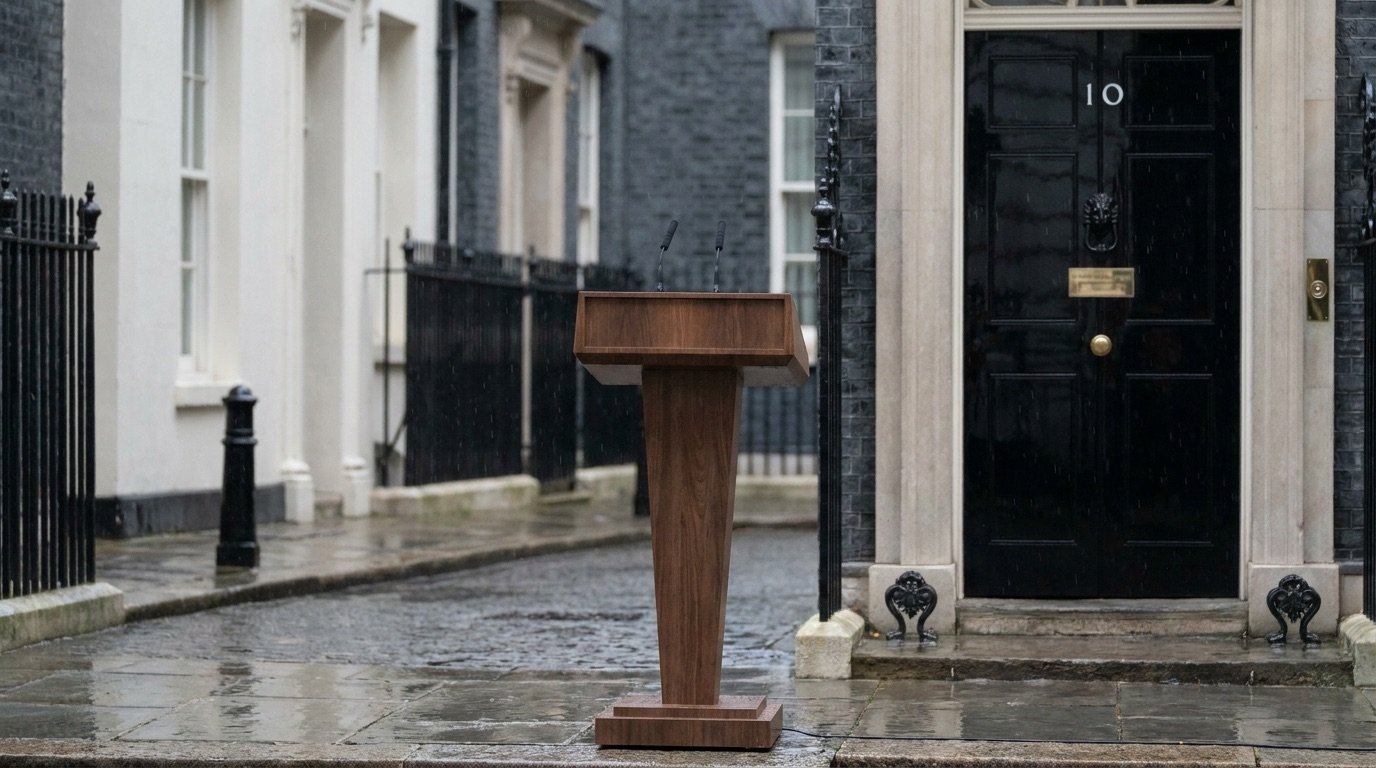
Sir Keir Starmer resigns as Prime Minister, triggering Labour leadership contest
The Prime Minister announced his departure outside Downing Street on Monday morning, ending a turbulent premiership and setting Britain on course for its seventh leader in a decade.

'With good grace': Starmer's resignation statement in full context
The outgoing Prime Minister's short address outside No 10 was reflective and unrepentant by turns, defending his record while accepting his party's verdict.
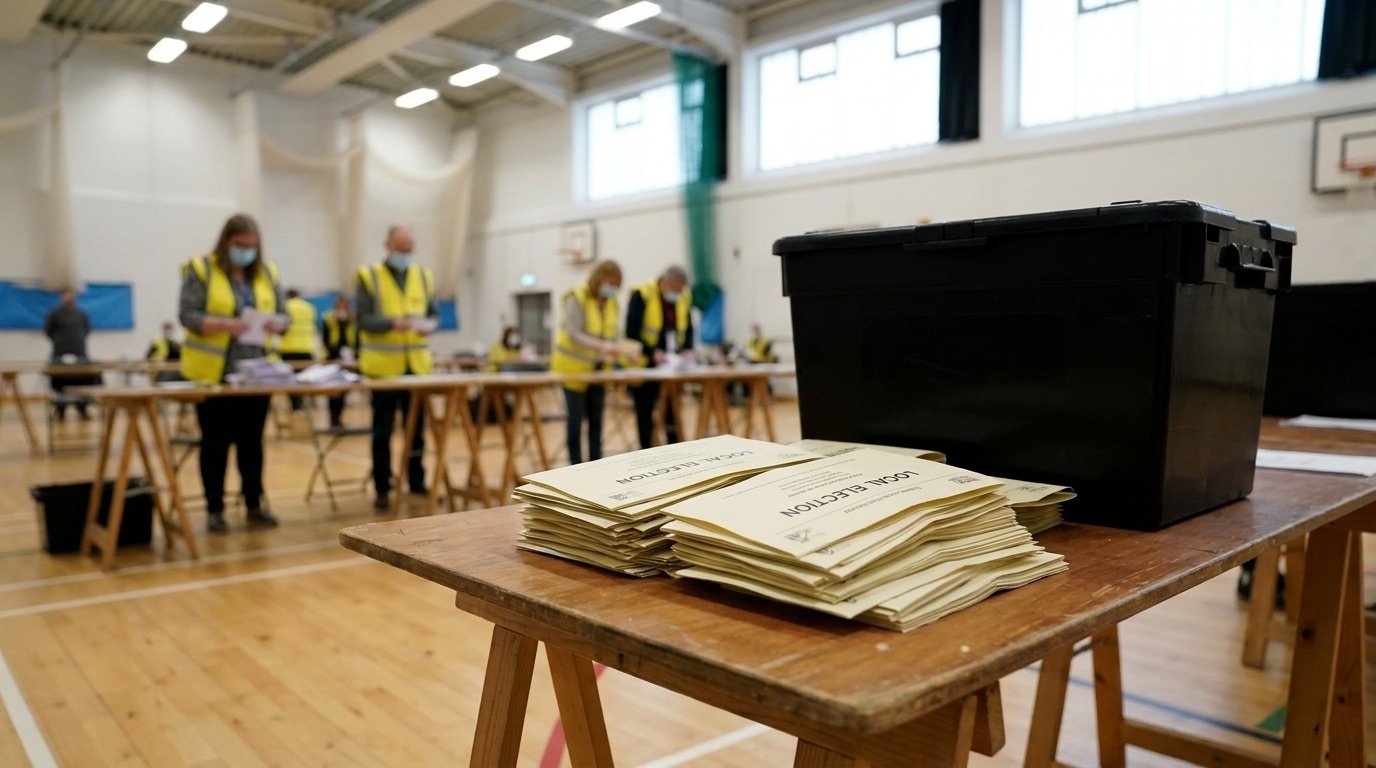
From landslide to lectern: what finally forced Starmer out
A historic election win curdled into open revolt as the local election rout, the rise of Reform UK and slumping approval ratings combined to end the Prime Minister's tenure.