Labour's leadership contest is this page's spine. Coverage explains the rules and five-week timetable that will decide the next prime minister, profiles the runners and riders hoping to succeed Keir Starmer, and follows frontrunner Andy Burnham's route from city-region mayor to Downing Street favourite. The search for a challenger — anyone but a coronation — runs alongside the Makerfield by-election that changed everything, Westminster's reaction as Nigel Farage demands an election, and the larger question of what the contest means for Labour's direction and the Reform threat.
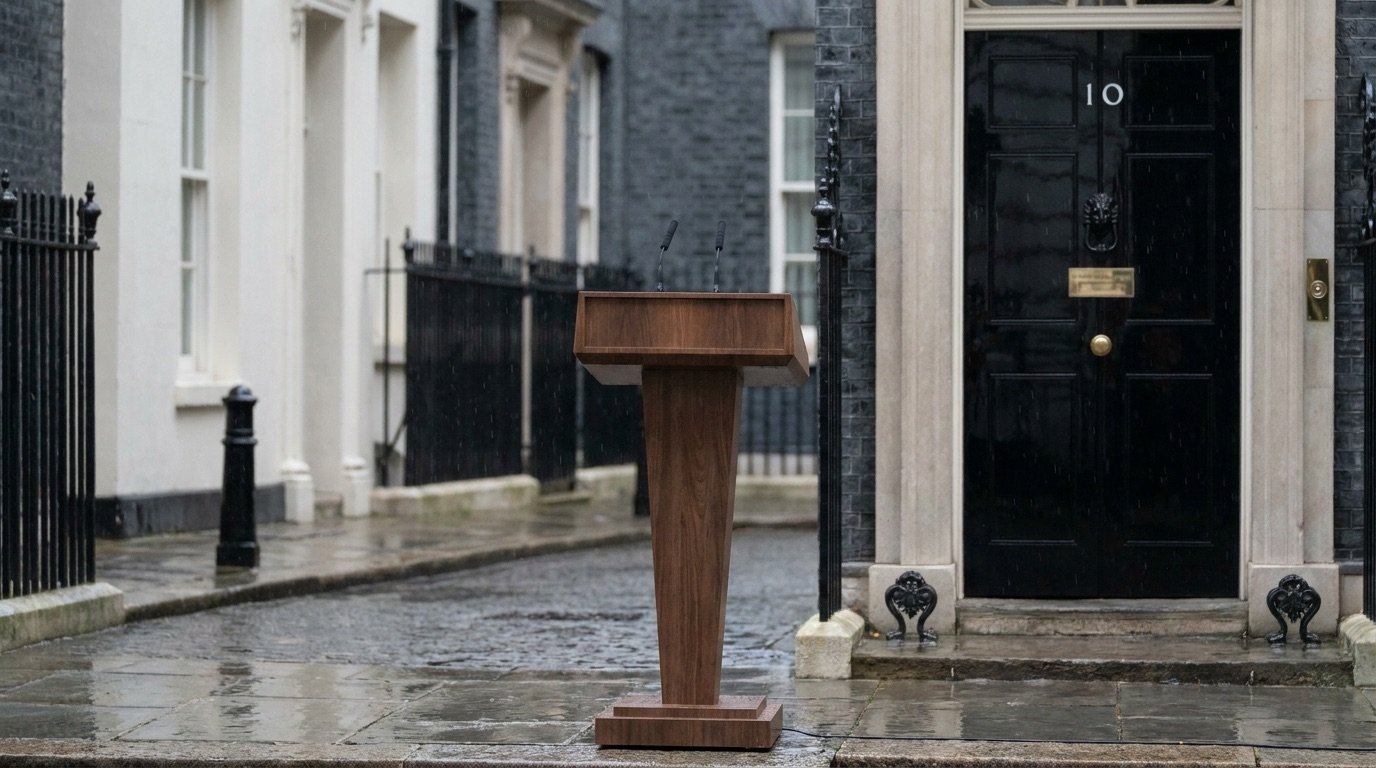
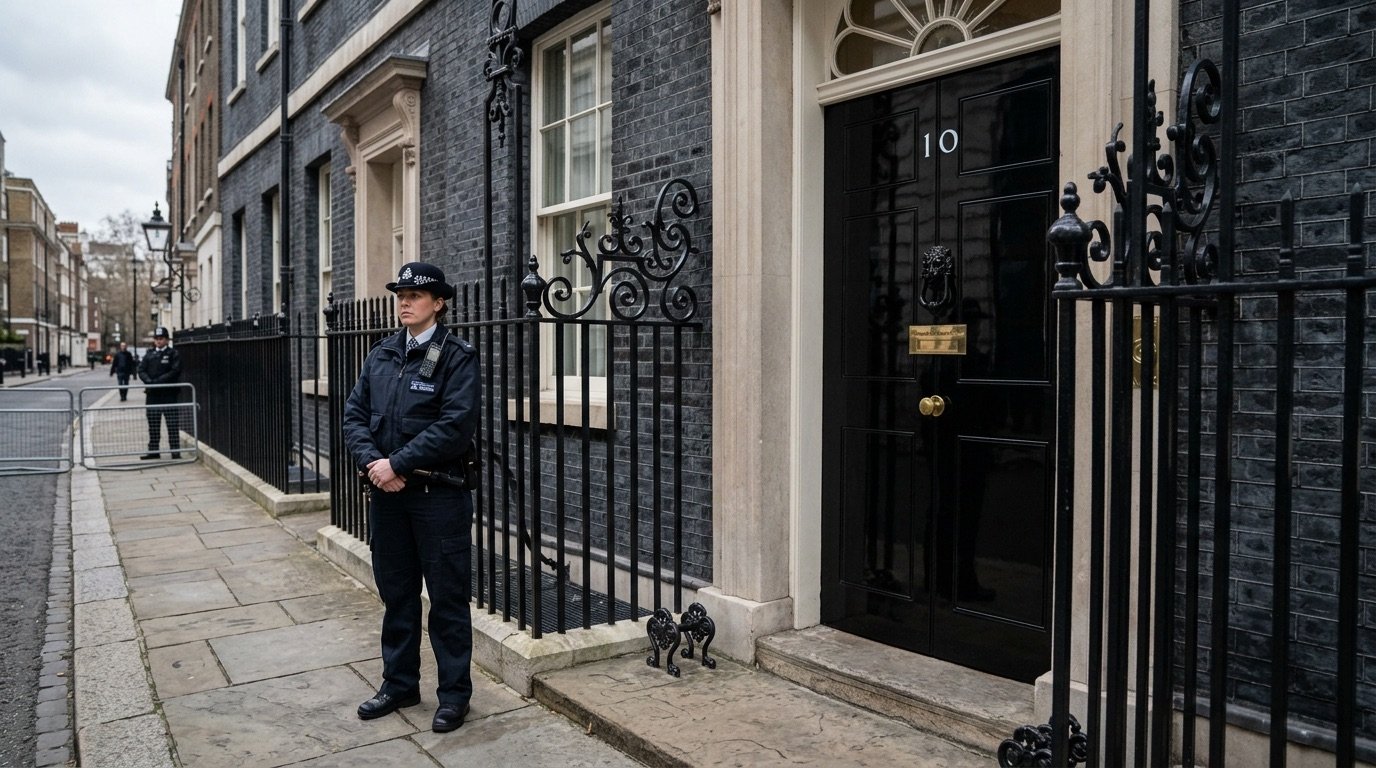
The Prime Minister announced his departure outside Downing Street on Monday morning, ending a turbulent premiership and setting Britain on course for its seventh leader in a decade.
The outgoing Prime Minister's short address outside No 10 was reflective and unrepentant by turns, defending his record while accepting his party's verdict.
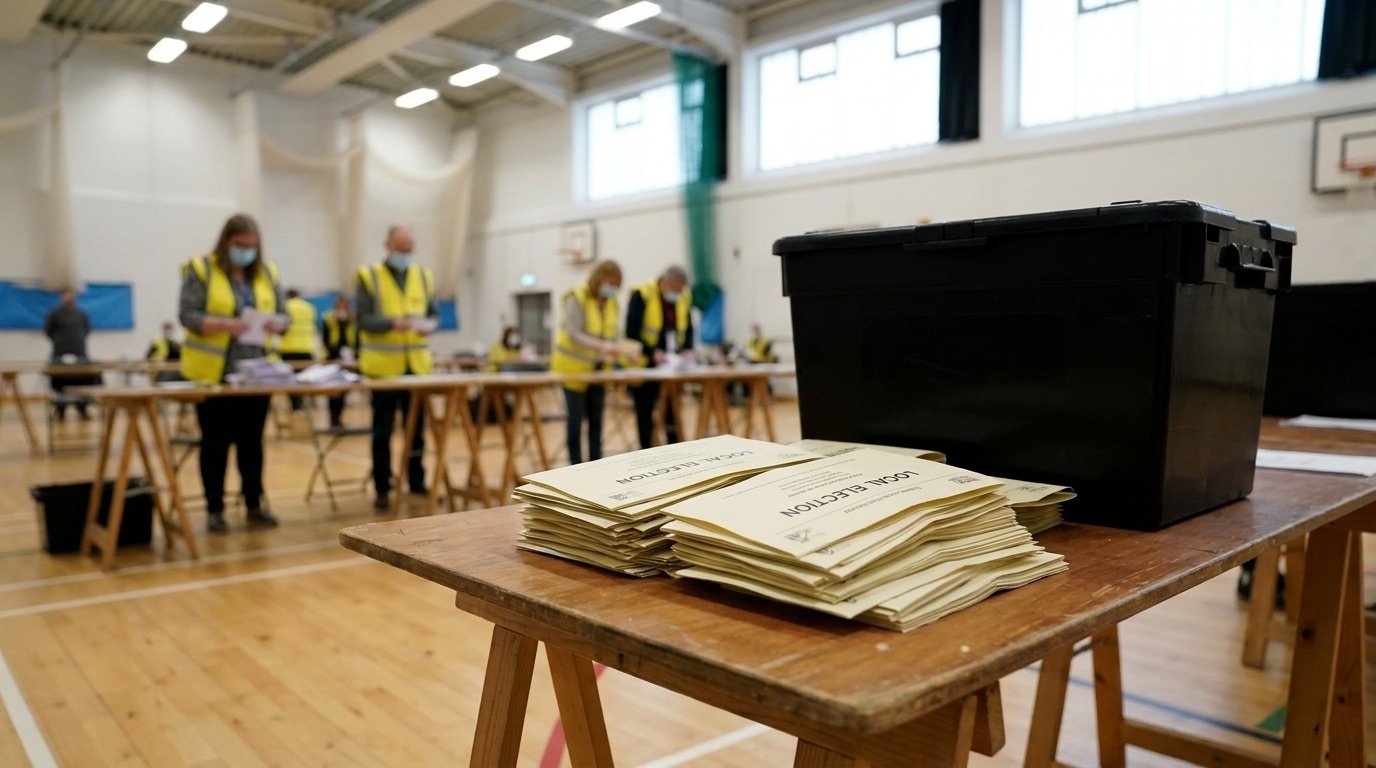
A historic election win curdled into open revolt as the local election rout, the rise of Reform UK and slumping approval ratings combined to end the Prime Minister's tenure.
Reform UK called immediately for a general election and the Conservatives went on the attack, while Labour figures lined up behind the frontrunner to succeed the departing Prime Minister.
With Sir Keir staying on as caretaker, attention turns to the rules of the Labour leadership contest, the role of the King, and the timetable that will decide who enters No 10.
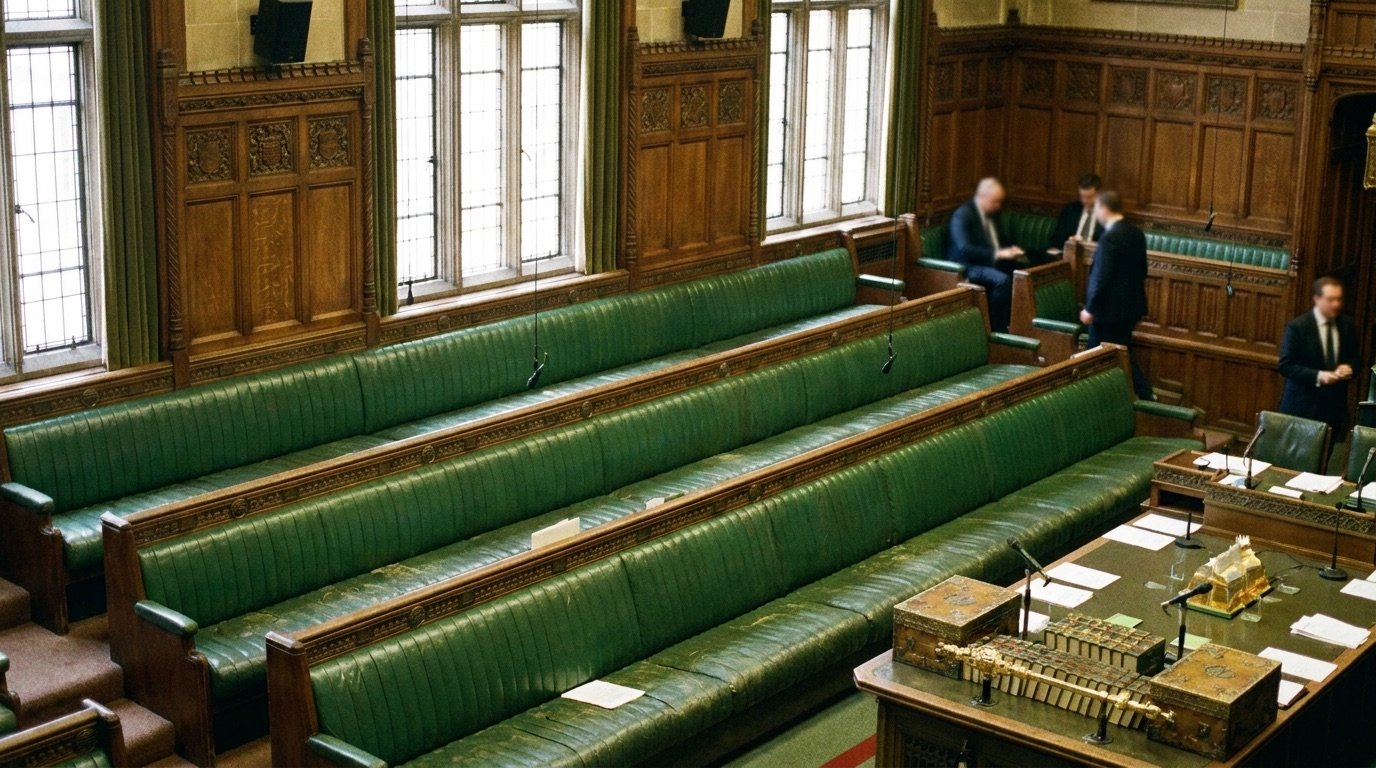
With Sir Keir Starmer's resignation triggering a contest, the National Executive Committee has set a fast timetable: nominations open on 9 July and close on 16 July, with a contested result due by 1 September. Here is how the race actually works.
Andy Burnham was first out of the gate, but the field for Labour's leadership is still taking shape. From cabinet veterans weighing a bid to figures lining up behind the frontrunner, here is where the contenders stand.
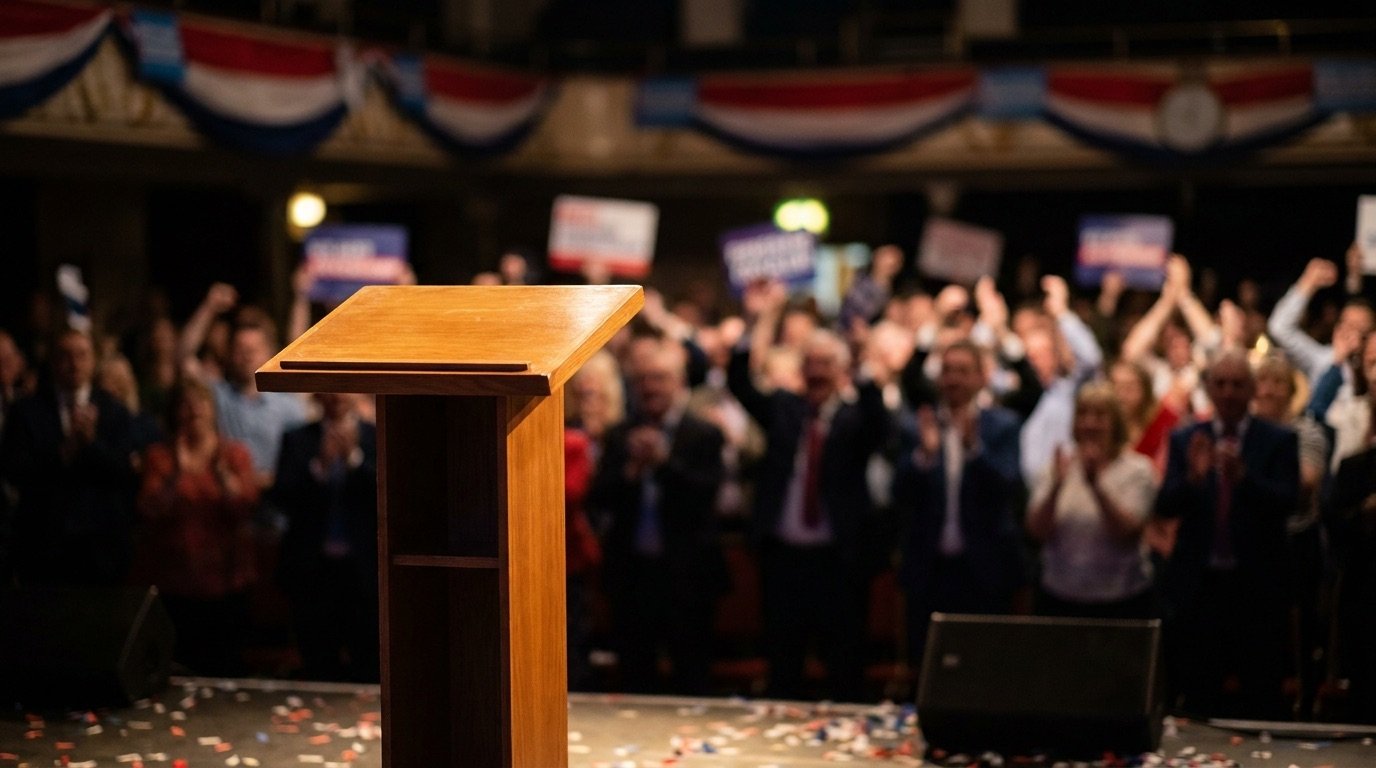
Andy Burnham enters the contest as the clear favourite, having won the Makerfield by-election with 54.8% of the vote and gathered more than 200 MP backers. But governing is not campaigning, and his rivals are not finished yet.
With the frontrunner commanding huge support, a section of the party is desperate to avoid an uncontested succession. The hunt is on for a candidate who can clear 81 nominations and give members a genuine choice.
Andy Burnham could not have run for the leadership without a Commons seat. The story of how he got one, after the NEC blocked an earlier attempt and an MP stood aside, is central to understanding this contest.
The race to replace Sir Keir Starmer is also an argument about what Labour is for. With Reform UK leading the polls and liberal voters drifting to the Greens, the new leader must settle a fight over the party's very identity.
With Sir Keir Starmer gone, the latest voting-intention figures put Nigel Farage's Reform UK on 27%, almost ten points clear of a Labour Party that has shed roughly a third of its 2024 support.
With Sir Keir Starmer announcing his resignation, the battle to succeed him will be fought partly over asylum, deportations and whether Britain should stay in the ECHR.
Andy Burnham is seeking a return to the Commons on 18 June, and victory would clear his path to challenge the Prime Minister for the Labour leadership.
An Opinium survey put Nigel Farage's party on 29 per cent, well ahead of Labour and the Conservatives, underlining the fragmentation of British politics.
John Healey resigned as Defence Secretary on 11 June, warning that the government's spending plan would leave Britain less safe, with armed forces minister Al Carns walking out hours later.
The American Federation of Musicians has sued Universal and Warner over AI-related licensing, arguing session players should be compensated when recordings feed new technology.