Visa 'brake' blocks student and worker applications from four countries
A new mechanism lets ministers freeze visa routes from nationalities deemed high-risk for asylum claims, starting with Afghanistan, Cameroon, Myanmar and Sudan.
Eleanor Whitfield
Writer ·
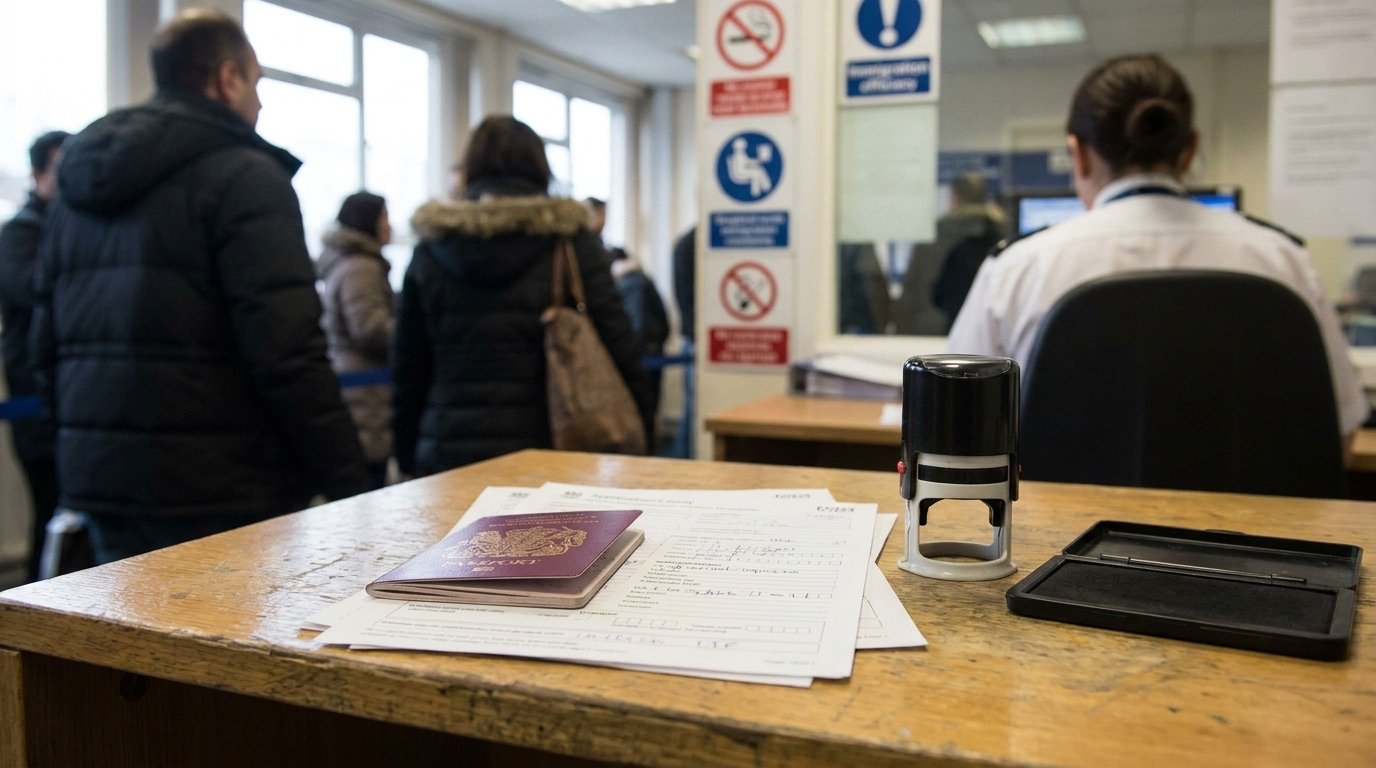
The government has begun using a new visa 'brake', a mechanism that lets ministers freeze parts of the visa system for nationalities they judge to pose a high risk of going on to claim asylum once in the UK.
Introduced through a statement of changes to the Immigration Rules in March 2026, the brake initially applies to Afghanistan, Cameroon, Myanmar and Sudan, and took effect from 26 March 2026. It is one of the more novel tools in the government's asylum and returns toolkit.
Officials stress the brake is not meant to be permanent and will be reviewed regularly, with the stated aim of releasing it 'as soon as it is considered appropriate to do so'.
Who is affected
Under the changes, Student visa applications from main applicants who are nationals of the four named countries are refused. Skilled Worker applications from main applicants who are Afghan nationals are also refused.
The brake is targeted at routes the Home Office believes are being used as a stepping stone to onward asylum claims, rather than at all migration from those countries, and the precise scope can be adjusted as ministers review the evidence.
- Student visas refused for main applicants from Afghanistan, Cameroon, Myanmar and Sudan
- Skilled Worker visas refused for main applicants from Afghanistan
- In force from 26 March 2026
- Described as temporary and subject to regular review
Why ministers say it is needed
The government argues the brake gives it a faster, more flexible response to abuse of legitimate visa routes than waiting for full primary legislation, and that it protects the integrity of the student and work systems on which universities and employers rely.
Ministers point to data they say shows disproportionate numbers of asylum claims following grants of study or work visas to certain nationalities, presenting the brake as a proportionate, evidence-led measure.
“This is a targeted, temporary tool. Where a route is being abused at scale, we will act, and we will lift the brake when the risk subsides.”
Critics warn of unfairness
Refugee organisations and some legal experts have criticised the approach as nationality-based discrimination that penalises individuals for the conduct of others who share their passport, including people fleeing conflict and persecution.
Universities have also voiced concern about reputational damage and the chilling effect on genuine international students, while questioning whether the brake will simply divert demand to other routes rather than reduce overall pressure.
“Judging a student's application by their nationality rather than their merits sets a troubling precedent for an open, global higher education sector.”
Background
The visa brake was part of a substantial statement of changes that also cut refugee leave from five years to 30 months, tightened student-visa compliance rules for universities and reshaped asylum support. Together the measures build on the 2025 immigration white paper's drive to lower net migration and curb irregular routes.
The four countries chosen are all places affected by conflict or instability, which campaigners argue makes restricting safe, legal routes especially questionable.
What happens next
The government's first formal review of the brake will be closely watched, as will any move to add or remove countries from the list. Legal challenges remain possible if claimants argue the mechanism is discriminatory or disproportionate, and universities will press for clarity on how long the restrictions are expected to last.
Sources: reporting by Electronic Immigration Network.
The NE Times is an independent news and analysis publisher. Our articles combine factual reporting with clearly-written, impartial analysis. Content is for general information and does not constitute professional advice. Disclaimer.
You may also like to read
Net migration falls to 171,000 as work and study arrivals drop
Official estimates show net migration has nearly halved year on year, extending a steep decline from the 2023 peak — with both British and EU flows now negative.
Higher salaries and tougher checks: the new reality for Skilled Worker visas
The standard salary floor now sits at £41,700, the skill bar has risen to graduate level, and employers must meet pay requirements in every pay period — not just on average.
Watchdog warning collides with the politics: large asylum sites 'cost more than hotels'
Auditors have found the Home Office's flagship large-site accommodation costs more per night than hotels while delivering fewer beds — a finding that lands as parties sharpen rival deportation pledges ahead of the next election.

New independent asylum appeals body promised as tribunal backlog passes 139,000
Ministers want to lift asylum and human-rights appeals out of the overloaded courts and into a faster body of trained adjudicators. Lawyers warn speed must not come at the cost of fairness.