In El Obeid, Sudan's drone war is measured in cancelled deliveries and closed roads
Reporting from the besieged Sudanese city shows how drone strikes are compounding displacement and shortages — and testing the limits of humanitarian work.
Marcus Reeve
Writer ·
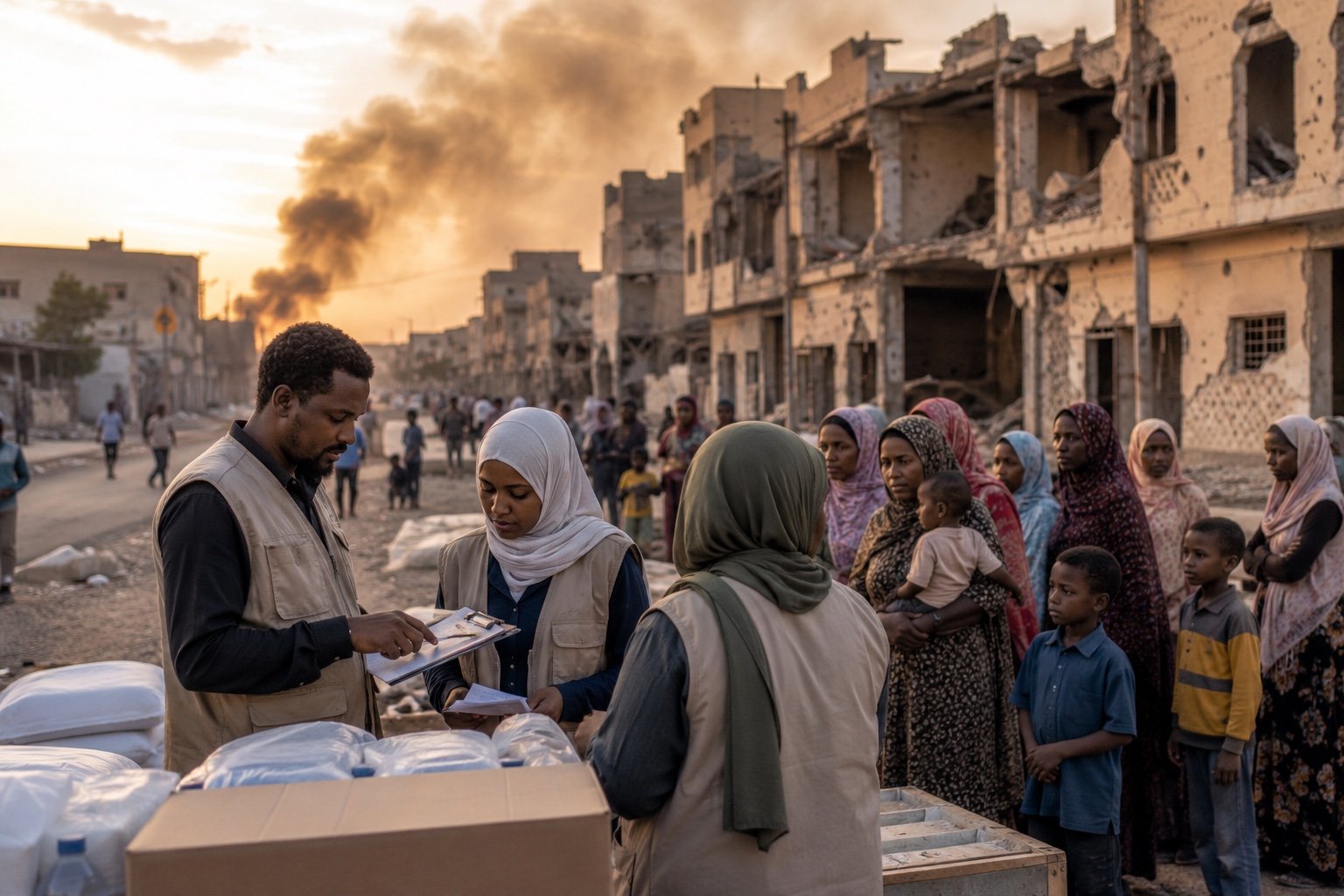
Sudan's war is usually narrated through front lines and failed diplomacy. The more revealing story is found in cities where ordinary systems are buckling — and few places illustrate that better than El Obeid, where Guardian reporting has placed aid workers at the centre of a crisis in which drone strikes, displacement and shortages are not separate emergencies but interlocking ones.
What happened
The Guardian's dispatches describe El Obeid, a strategic city contested by Sudan's armed forces and the Rapid Support Forces, as being pummelled by repeated drone strikes. Humanitarian staff there recount an environment in which access can shift by the hour: supply routes narrow, hospitals struggle to function, and families displaced once are forced to move again. It is, in effect, a crisis of continuity as much as of violence.
Why it matters
Drones have changed the texture of this war. A city no longer needs to be under classical siege to feel trapped; if residents fear a strike on a road, market or depot, civic life contracts on its own. For aid organisations the consequences are brutally practical — drivers judging routes, medical teams planning for sudden casualty influxes with scarce materials, warehouses that may themselves become targets. Aid can exist in the region and still fail to reach the people who need it. There is also the question of attention. Sudan's conflict has produced displacement and hunger on an enormous scale, yet international focus arrives in bursts and fades before conditions improve. El Obeid is a reminder that the absence of headlines does not mean the emergency has eased — it usually means the opposite.
The bigger picture
Humanitarian response is being asked to manage the consequences of political failure. Relief can reduce suffering, but it cannot secure roads, halt attacks or produce a settlement, and the longer the war runs on the logic of escalation, the more aid becomes a holding pattern rather than a bridge back to normal life. Careful language matters here too: describing El Obeid only as a battleground turns a community into terrain, and drone warfare into a tactical footnote rather than a human one.
What happens next
The immediate priorities are unglamorous and urgent: protected corridors for assistance and genuine protection for civilians. Neither is currently guaranteed. Until the conflict's momentum changes, aid workers in El Obeid will keep trying to hold fragments of public life together in a city where every delivery run and clinic shift carries risk — and the world's willingness to keep watching will itself be part of the story.
Sources: reporting by The Guardian.
The NE Times is an independent news and analysis publisher. Our articles combine factual reporting with clearly-written, impartial analysis. Content is for general information and does not constitute professional advice. Disclaimer.
You may also like to read
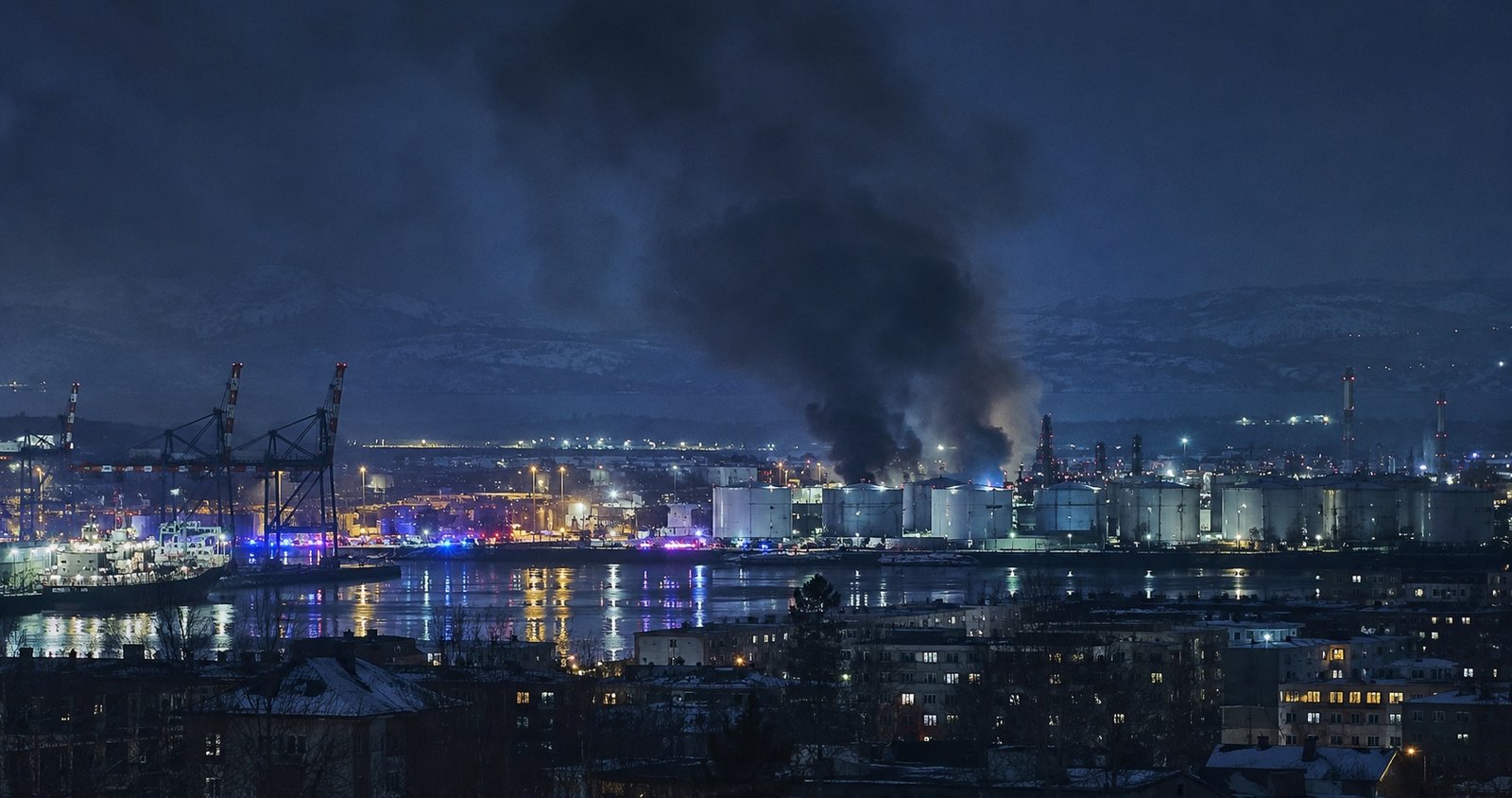
Drone strike near St Petersburg shows the war's reach keeps expanding
A reported Ukrainian drone attack on an oil terminal near St Petersburg underlines how energy infrastructure far from the front has become a strategic target.
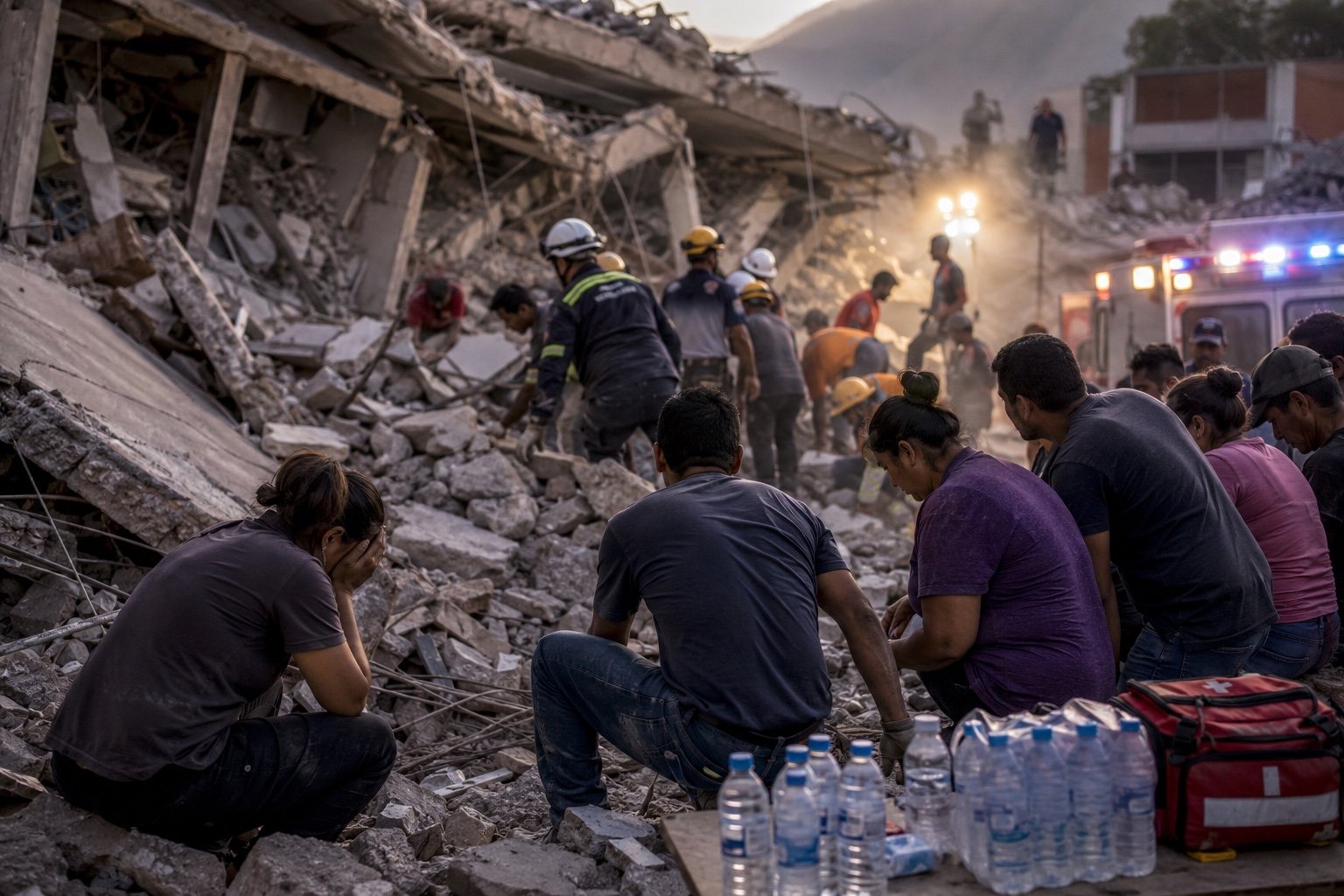
In Venezuela's earthquake zone, families digging by hand become the measure of the response
As the toll from Venezuela's twin earthquakes climbs, families searching rubble in La Guaira have become the starkest test of the official relief effort.
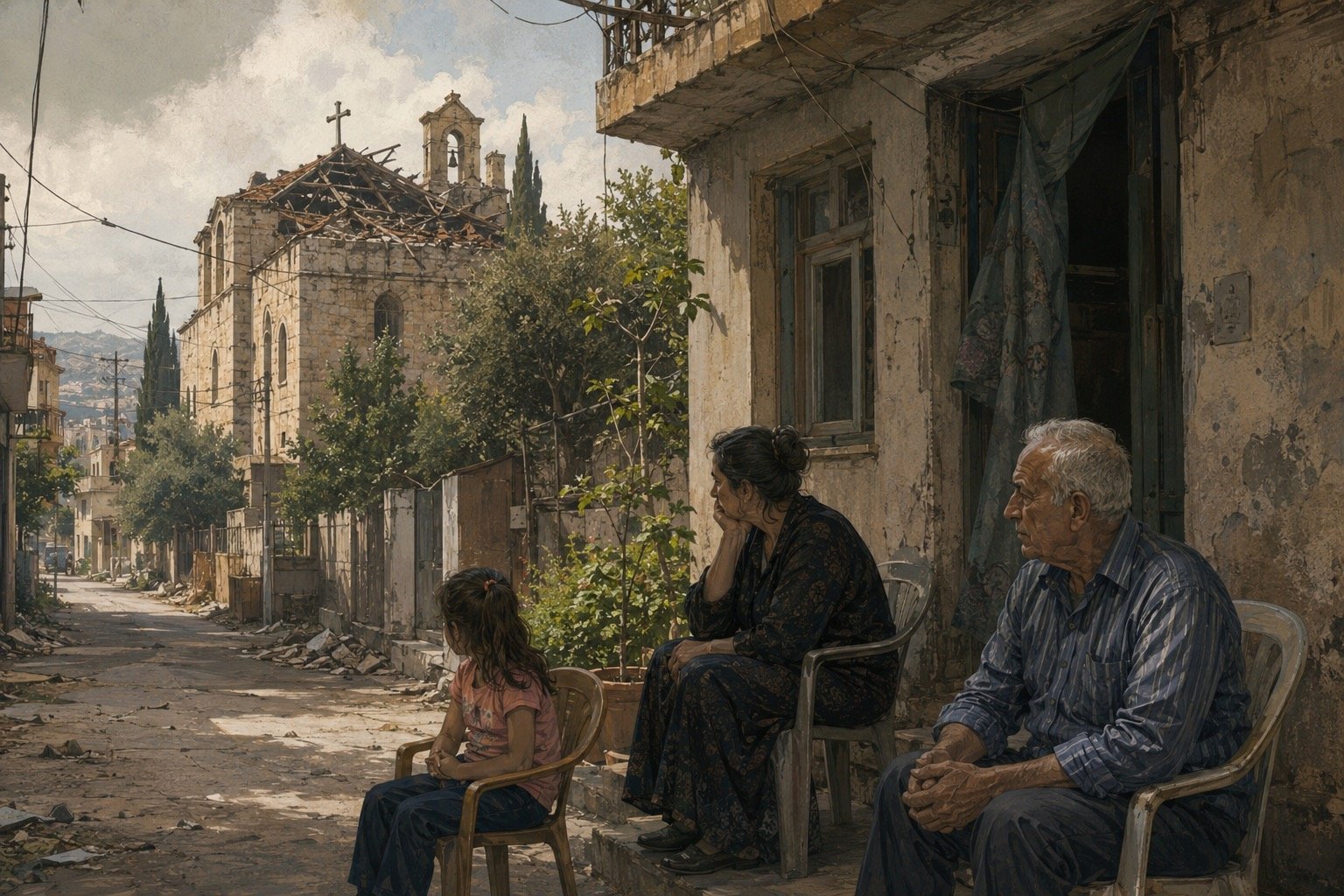
Lebanon Border Communities Live With Fear and Rising Tensions
Residents near Israel's occupation zone describe damaged community spaces and growing unease in southern towns such as Jdeidat Marjayoun.
Record Russian drone barrage hits Ukraine as direct talks stall
A large-scale overnight assault struck Kyiv, Dnipro and Kharkiv as the Kremlin rejected Ukrainian offers for direct negotiations and European leaders pressed for a just and lasting peace.