'Another one out the door': what voters make of the latest Westminster upheaval
As Britain prepares for its seventh prime minister in a decade, the public mood is less anger than weary disengagement — and that exhaustion is fuelling the realignment now reshaping politics.
Eleanor Whitfield
Writer ·
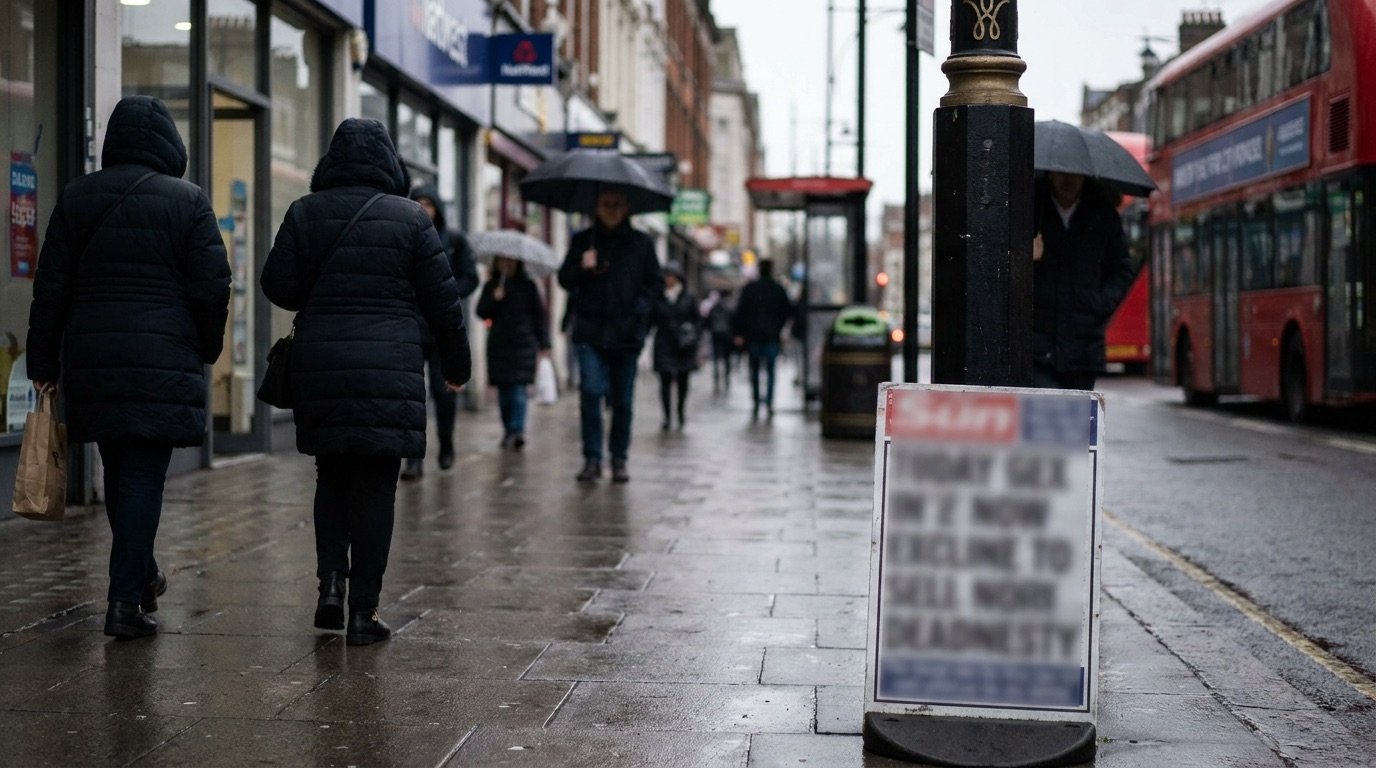
Sir Keir Starmer's resignation will dominate the front pages, but in living rooms and high streets the reaction is quieter and, for the political class, more troubling. After a decade of churn, the news that Britain is about to acquire its seventh prime minister in ten years has been met less with shock than with a shrug.
That weariness is itself a political force. The sense that leaders come and go while little improves has corroded trust in the major parties and created the space in which Reform UK, the Greens and the Liberal Democrats have all grown at Labour's expense.
A decade of revolving doors
The instability is not new, but its cumulative weight is. Britain has cycled through a remarkable number of premiers since 2016, each arrival accompanied by promises of stability that the next departure undercuts. For many voters, the latest change simply confirms a pattern they have long since stopped expecting to break.
The polling captures the consequence. Labour's vote has fragmented in every direction, and no single rival has hoovered up the disaffection — a sign that the public is not switching from one trusted brand to another so much as drifting away from the establishment altogether.
“It's the same story every couple of years now. A new face, the same promises, and nothing actually changes where I live. Why would I believe this one's any different?”
Why the disillusion helps the insurgents
Disengagement is rarely neutral. Parties positioned as outsiders thrive when voters conclude the system itself has failed them, and Reform UK has built its sustained polling lead on precisely that proposition. The Greens, too, have surged by offering a clean break to disenchanted progressives.
For Labour, the danger is that a leadership change reads as more of the same — another internal manoeuvre rather than the answer to voters' frustrations. The party's challenge is to demonstrate that the change at the top means change in people's lives, not merely a new occupant of Downing Street.
What people say they want
Across focus groups and surveys, the recurring themes are familiar and stubborn: the cost of living, the state of the NHS, immigration and a pervasive feeling that ordinary effort is no longer rewarded. Voters are less interested in who leads which party than in whether anyone can deliver tangible improvement.
There is a generational dimension, too. Younger voters, many of whom have known nothing but political turbulence in their adult lives, express the deepest scepticism that any leader will change things, while older voters tend to anchor their disappointment in a memory of more stable times. Both groups, pollsters note, are increasingly willing to look beyond the traditional big two.
- Britain is set for its seventh prime minister in roughly a decade
- Public reaction is marked by fatigue rather than outrage
- Trust in the major parties has fallen sharply
- Labour's vote has fragmented across Reform, the Greens and the Lib Dems
- Cost of living, the NHS and immigration dominate voters' concerns
Background
The succession of prime ministers since 2016 — spanning the Brexit years, the pandemic, and a turbulent run of Conservative leaders before Labour's 2024 victory — has made instability the defining experience of a generation of British voters.
Sir Keir himself swept to power on a promise of competence and stability after that chaos, which makes the manner of his departure, amid rebellion and resignations, especially damaging to the wider promise that politics can be made to work.
What happens next: the new leader's most urgent task may be psychological as much as political — persuading a sceptical electorate that this change of prime minister is different from all the others, before that scepticism hardens into a verdict at the ballot box.
Sources: reporting by CNBC.
The NE Times is an independent news and analysis publisher. Our articles combine factual reporting with clearly-written, impartial analysis. Content is for general information and does not constitute professional advice. Disclaimer.
You may also like to read

UK-UAE Sudan Testimony Raises Questions For Ministers
A parliamentary committee is to hear claims that ministers prioritised ties with the UAE over stronger action on mass atrocities in Sudan.
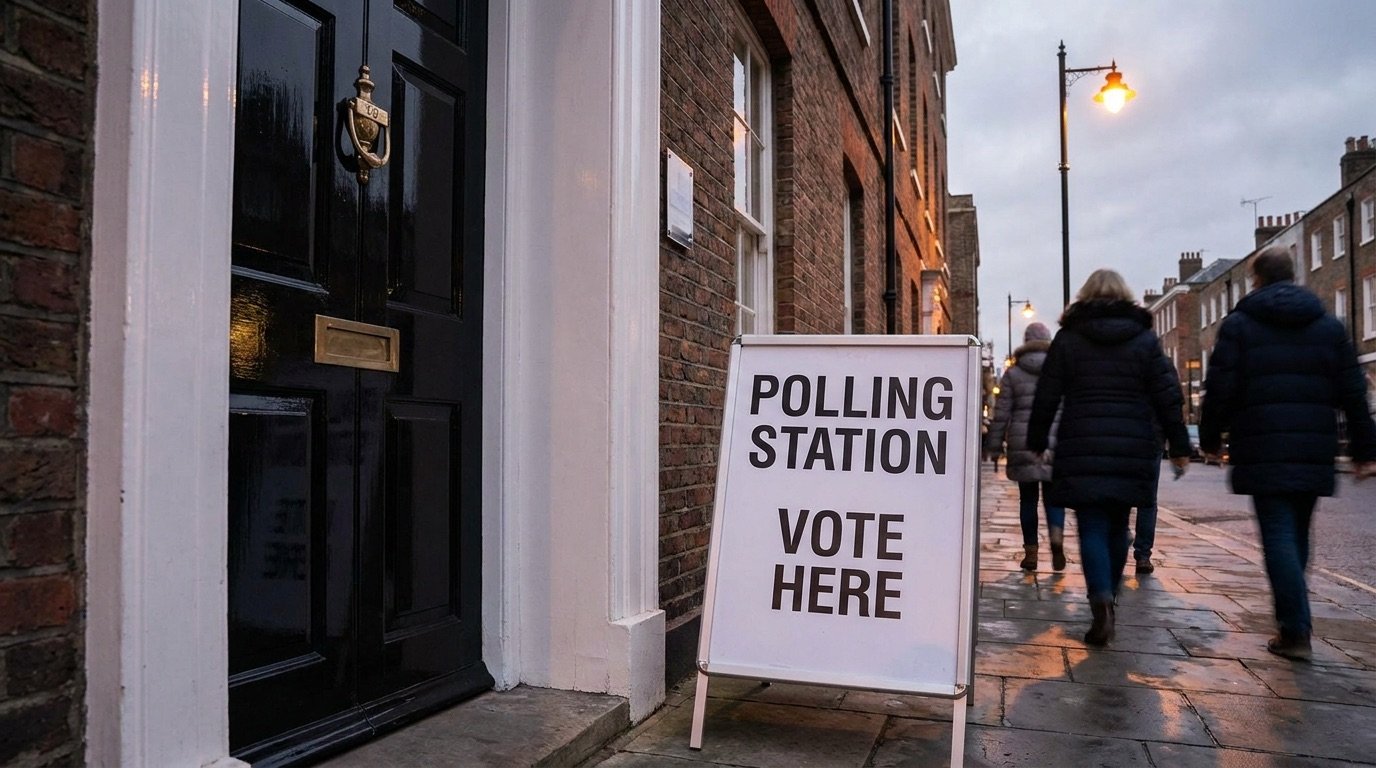
Will Britain go to the polls? The election-timing question facing the next PM
Sir Keir Starmer's successor will inherit a Commons majority but no personal mandate — and the frontrunner has already left the door to an early general election ajar.
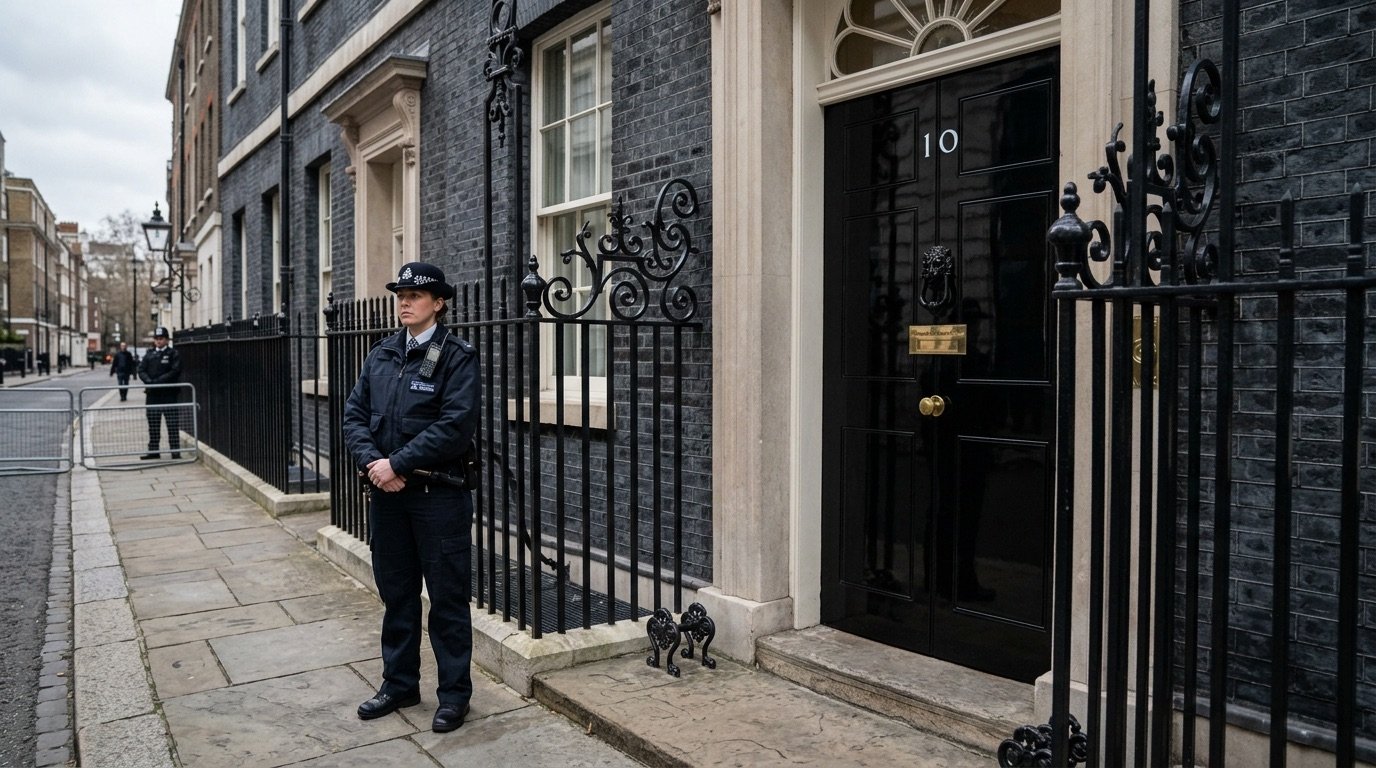
Starmer fights for survival as Labour leadership crisis deepens
Almost a hundred Labour MPs have called on the prime minister to go, but Sir Keir insists he will stay the course and fight any challenge.
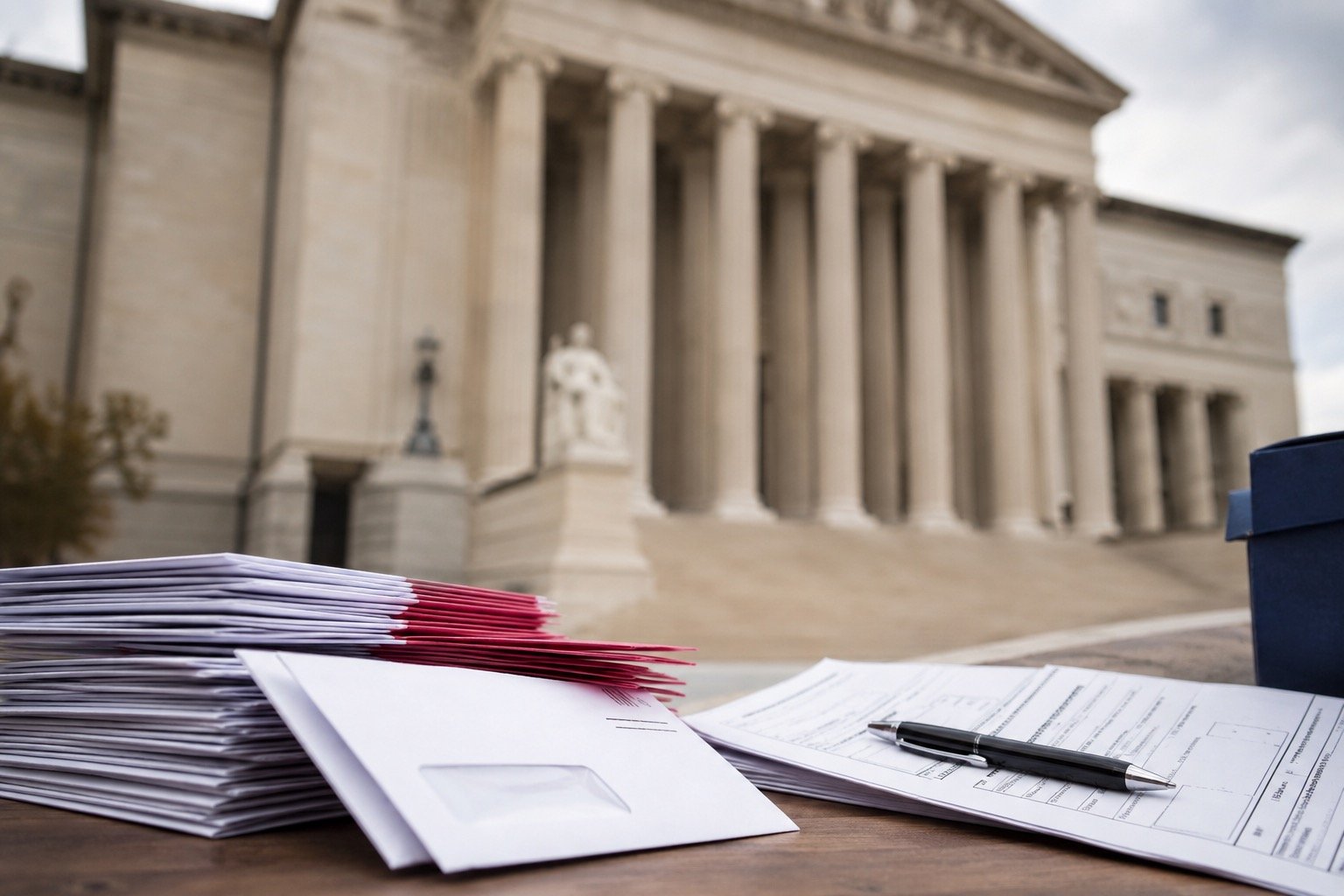
Federal judge blocks key parts of Trump's mail voting order
A Boston court sided with states arguing that running elections is a matter for states and Congress, not the White House.