Frontrunner Burnham: from city-region mayor to Downing Street favourite
Andy Burnham enters the contest as the clear favourite, having won the Makerfield by-election with 54.8% of the vote and gathered more than 200 MP backers. But governing is not campaigning, and his rivals are not finished yet.
Eleanor Whitfield
Writer ·
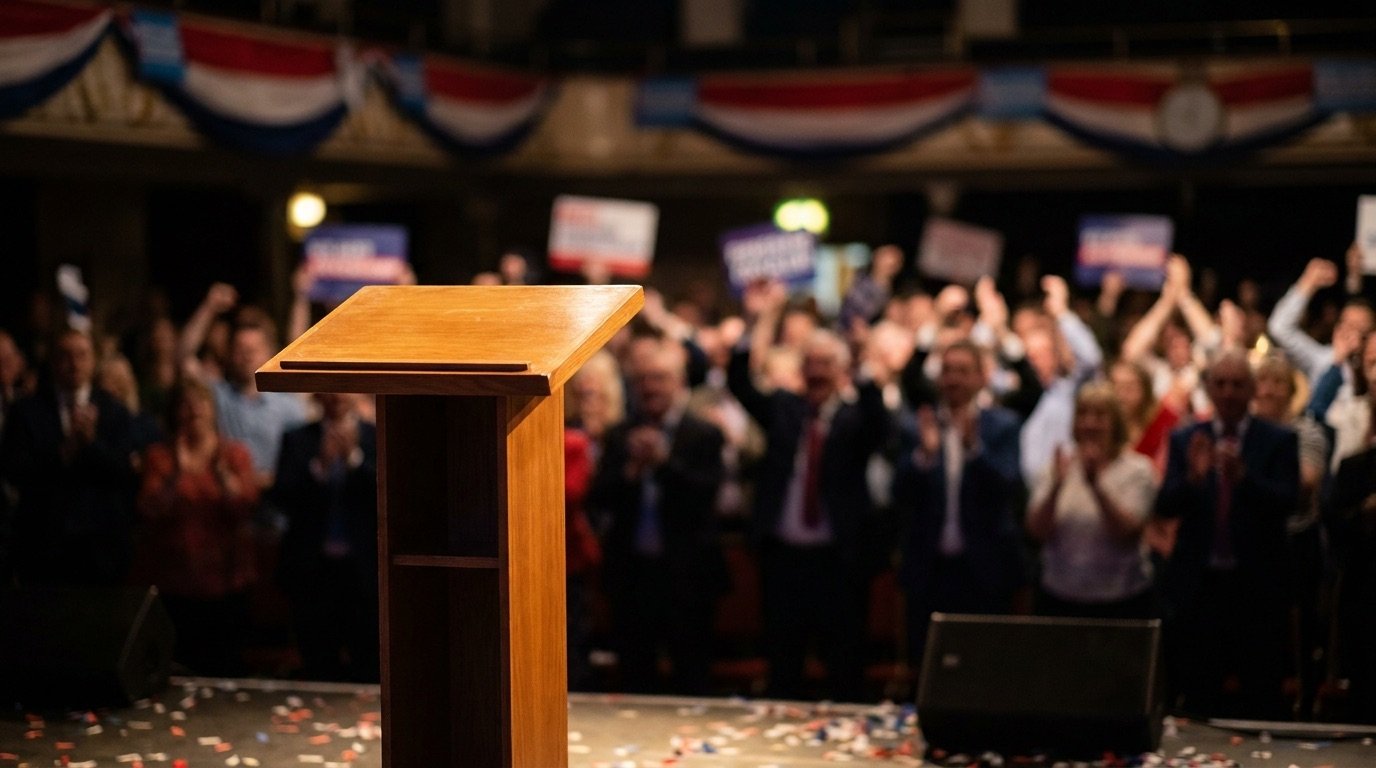
Andy Burnham begins the race to replace Sir Keir Starmer in a position most leadership candidates can only dream of: as the undisputed frontrunner, with a fresh electoral mandate, a clear message and the backing of more than 200 of his fellow Labour MPs.
His path back to Westminster was unconventional. Having spent the better part of a decade as Mayor of Greater Manchester, Burnham needed a Commons seat to be eligible for the leadership. After the National Executive Committee blocked an earlier attempt to stand in Gorton and Denton, the Makerfield MP Josh Simons resigned to clear a path.
Burnham seized it. On 18 June he won the resulting by-election with 54.8% of the vote, taking nearly 25,000 ballots and a majority of more than 9,200 over Reform UK's Rob Kenyon, outperforming the polls in a seat the insurgent right had hoped to contest.
The pitch
Burnham used his victory rally to set out a leadership prospectus in all but name. He framed the result as a possible turning point in British politics and warned that Labour had a 'final chance to change' before voters turned elsewhere for good.
At the heart of his message is the 'Makerfield test': the idea that every government policy should be judged by whether it works for ordinary communities and delivers fairness to places long overlooked by Westminster. He coupled it with concrete promises to bring down water, energy and rail bills.
“This is our last chance.”
— Andy Burnham, Makerfield victory rally
Strengths and risks
Burnham's appeal rests on a record of winning where Labour has been losing. As mayor he built a profile that crossed traditional party lines, and his soft-left politics offer a clear contrast with the technocratic Starmer years that many members blame for the party's decline.
The risks are equally clear. He has never sat in a Westminster cabinet, his recent record is one of regional rather than national government, and his rivals will argue that the discipline of leading a country in crisis is very different from the freedom of a mayoralty.
- Strength: a fresh by-election win with a comfortable majority over Reform UK
- Strength: more than 200 MPs declared for him before nominations even opened
- Strength: a distinctive 'Makerfield test' message aimed at left-behind towns
- Risk: no experience in a Westminster cabinet
- Risk: pressure to prove he can govern nationally, not just campaign
Background
Burnham is no stranger to leadership contests, having stood and lost twice before, in 2010 and 2015. His decision to leave the apparent safety of City Hall for the uncertainty of a Commons by-election was widely read as a calculated gamble that the moment had finally come.
That gamble has, so far, paid off. The Makerfield result handed him both eligibility and momentum at exactly the point Sir Keir's authority collapsed, turning a long-rumoured challenge into an open and credible bid for the premiership.
What happens next: Burnham must convert overwhelming MP support into formal nominations after 9 July and then, if challenged, win over the wider membership. His allies hope for a swift, decisive victory; his rivals hope a contested ballot will expose the gap between his promise and his record.
Sources: reporting by CNN.
The NE Times is an independent news and analysis publisher. Our articles combine factual reporting with clearly-written, impartial analysis. Content is for general information and does not constitute professional advice. Disclaimer.
You may also like to read

The runners and riders: who is standing to succeed Starmer, and what they are offering
Andy Burnham was first out of the gate, but the field for Labour's leadership is still taking shape. From cabinet veterans weighing a bid to figures lining up behind the frontrunner, here is where the contenders stand.

Five weeks to a new Prime Minister: the rules and timetable that will decide Labour's leader
With Sir Keir Starmer's resignation triggering a contest, the National Executive Committee has set a fast timetable: nominations open on 9 July and close on 16 July, with a contested result due by 1 September. Here is how the race actually works.

Anyone but a coronation: the search for a challenger to Burnham
With the frontrunner commanding huge support, a section of the party is desperate to avoid an uncontested succession. The hunt is on for a candidate who can clear 81 nominations and give members a genuine choice.
The seat that changed everything: how Makerfield put Burnham in contention
Andy Burnham could not have run for the leadership without a Commons seat. The story of how he got one, after the NEC blocked an earlier attempt and an MP stood aside, is central to understanding this contest.