Ann Widdecombe Killing Investigation: Counter-Terror Police Examine a Targeted Attack and Possible Motive
The latest verified facts in the Ann Widdecombe murder investigation, including the counter-terrorism arrest, targeted-attack assessment, detention warrant and warnings against online speculation.
UK News & Politics Editor ·
Why it's trending
The investigation leads several UK newspaper front pages and is among the most-read stories on major news sites. Search interest is being driven by the terrorism arrest, the phrase 'targeted attack' and questions about political motive.
What police have confirmed
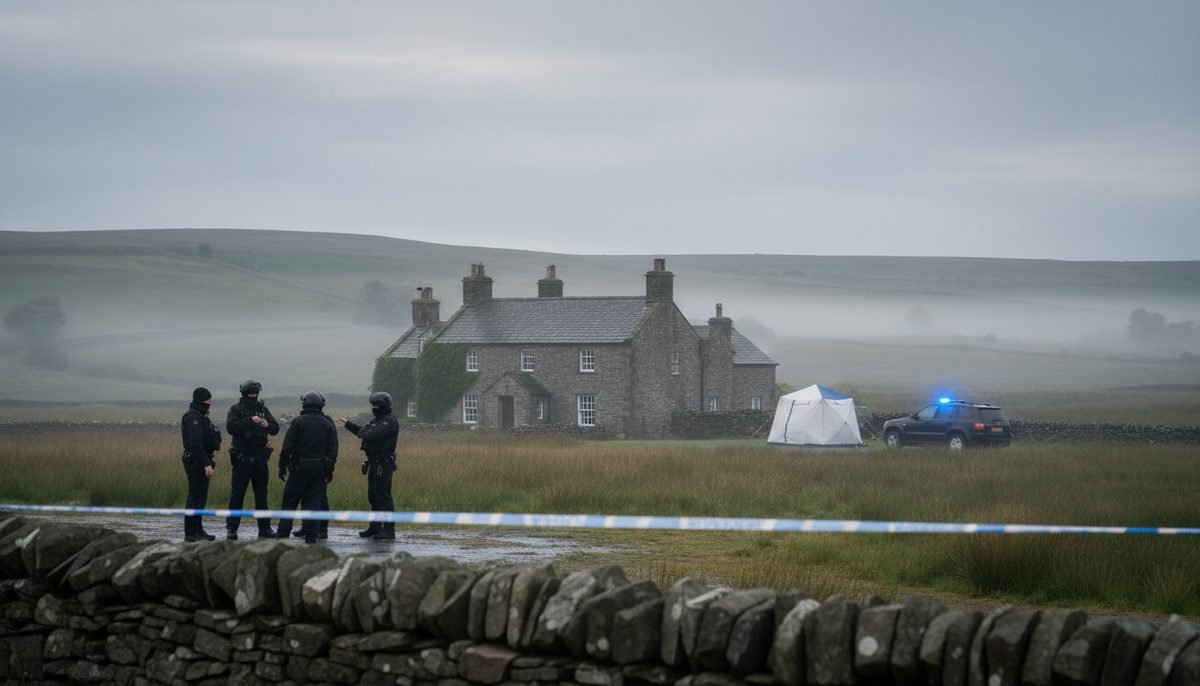
Counter Terrorism Policing is leading the investigation into the killing of former Conservative minister and Reform UK politician Ann Widdecombe after investigators said new information and evidence emerged. Police have described the incident as a targeted attack, but they have not publicly established the motive and have asked the public not to circulate unverified claims. A 28-year-old man arrested in South Yorkshire remains under arrest on suspicion of murder and on suspicion of the commission, preparation or instigation of acts of terrorism. He had not been charged when this article was verified.
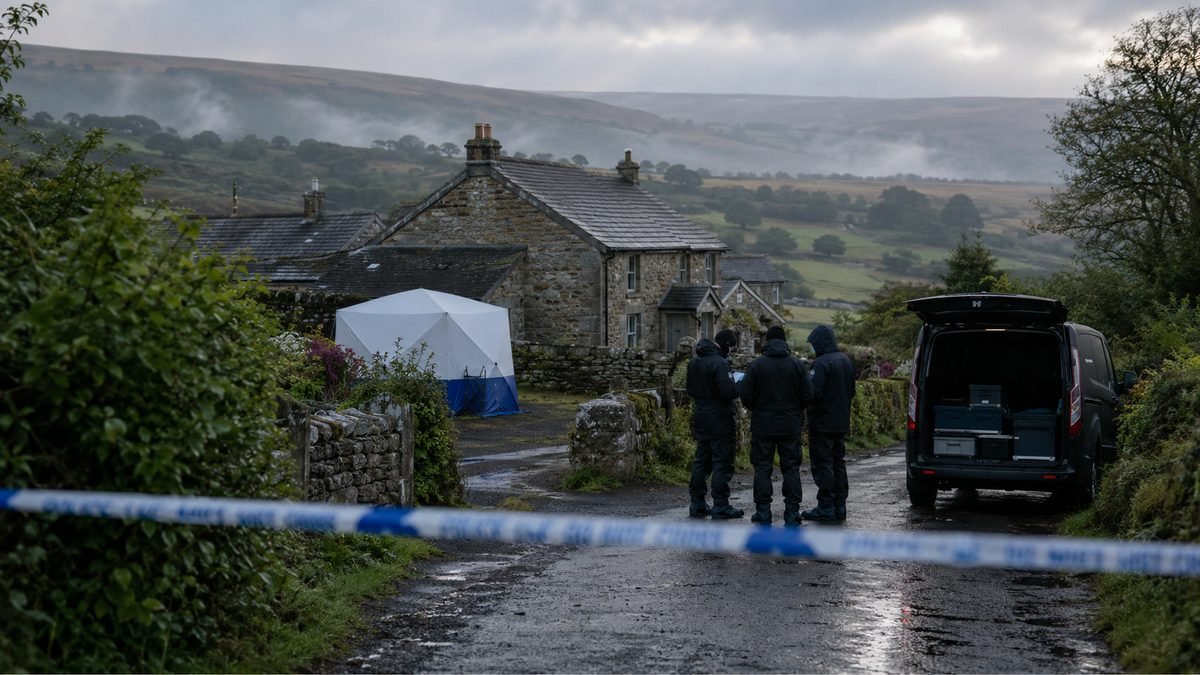
A court-approved warrant allows officers to hold the suspect for questioning for up to seven days under terrorism legislation. Extensive searches have taken place at an address in Rotherham, and investigators are carrying out digital forensic work alongside other enquiries. The official update stressed that the case is complex and that the extent of any planning or preparation is still being examined. That language is important: a terrorism arrest gives police additional investigative powers, but it is not a finding of guilt and does not by itself prove a particular ideological motive.
Why counter-terror officers took control
Murder investigations involving prominent political figures are immediately sensitive, but the involvement of counter-terror specialists is based on evidence rather than the victim's public profile alone. Counter Terrorism Policing South East took the lead after material discovered following the arrest changed the investigative picture. The national head of counter-terrorism described the attack as targeted and said officers were working to understand both the preparation and the motivation behind it.
Counter-terror teams bring specialist experience in digital evidence, ideological material, communications analysis, travel patterns and the investigation of possible wider networks. Their involvement also allows the use of specific detention and questioning powers. However, police have deliberately avoided endorsing the many theories circulating online. Reports that investigators are considering left-wing, anarchist or single-issue extremism remain part of media coverage, not a final police conclusion. A responsible account must distinguish between an active line of enquiry and an established fact.
The public-interest challenge
Widdecombe was one of Britain's most recognisable former politicians. She served as an MP from 1987 to 2010, held ministerial office and later became a familiar television personality. She subsequently returned to frontline political campaigning through the Brexit Party and Reform UK. Her long public career means the case has drawn attention from people with very different political views, as well as intense scrutiny of security arrangements for politicians and campaigners.
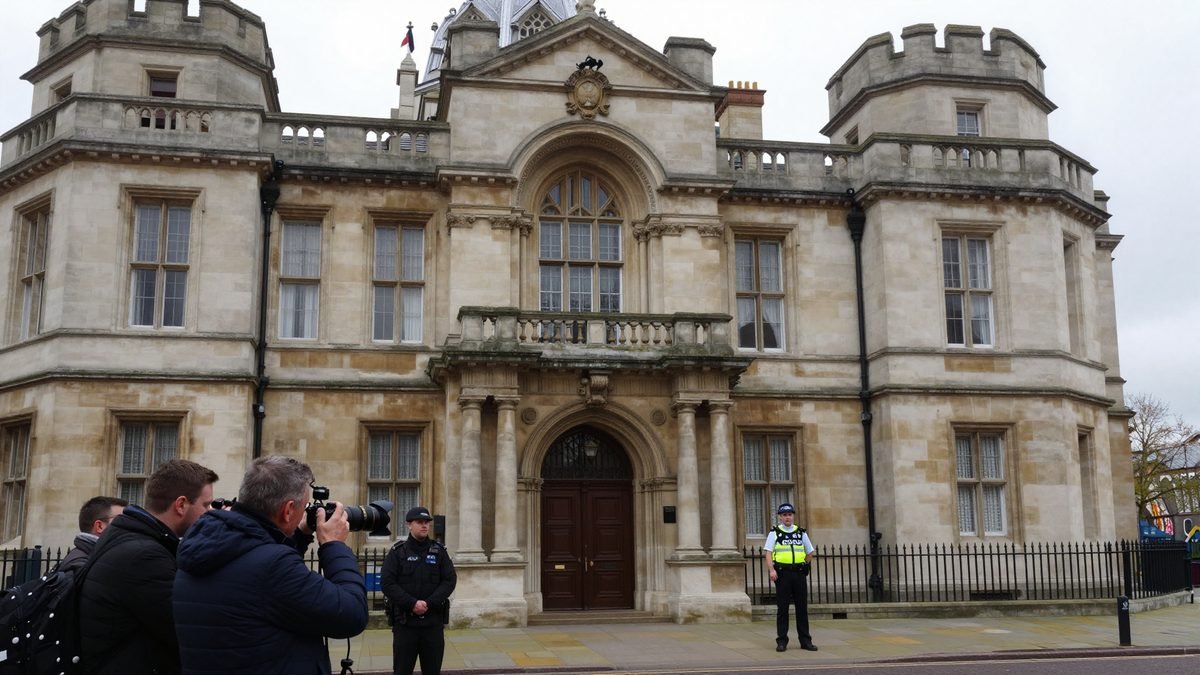
That public interest creates a difficult information environment. Genuine updates are mixed with recycled photographs, anonymous claims and attempts to use the death to advance wider political arguments. Police have urged people to think before sharing material that could be inaccurate, distressing to the family or prejudicial to future legal proceedings. UK contempt-of-court rules become especially important once a suspect has been arrested. Publishers should avoid language that assumes guilt, presents disputed claims as facts or identifies information that authorities have deliberately withheld.
What 'targeted attack' does and does not mean
The phrase 'targeted attack' indicates that investigators do not currently view the victim as randomly selected. It can cover a wide range of circumstances, from a personal grievance to ideological violence. It does not automatically mean police have classified the death as terrorism, nor does it confirm that the suspect acted with others. Investigators are examining the degree of planning and the reason Widdecombe was selected, while searches and digital examinations continue.
This distinction matters because the public often treats terrorism as a simple label rather than a legal and evidential category. UK terrorism law focuses on the use or threat of serious violence or other specified action designed to influence government or intimidate the public for a political, religious, racial or ideological cause. Investigators must establish evidence relevant to those elements. Until that work is complete, the safest description is that the case is being investigated by counter-terror police and that the suspect is held under terrorism legislation as well as on suspicion of murder.
Political security questions
The killing has renewed concern about threats against MPs, former MPs and other public figures. Britain has experienced fatal attacks on elected representatives and a wider rise in abuse, stalking and threats delivered through digital platforms. Security measures must balance protection with the accessibility expected in a representative democracy. Current MPs receive formal support through Parliament and police, but former office-holders and party spokespeople can occupy a less clearly defined space, even when they remain highly visible.
The debate is likely to include home-security assessments, protection at public events, the handling of online threats and the responsibilities of political parties toward high-profile representatives. It should not be used to suggest that every hostile comment is evidence of a plot, but nor should repeated threats be dismissed as an unavoidable feature of public life. A measured review can improve safety without turning ordinary democratic contact into a heavily restricted activity.
What happens next
Police can seek further legal authority if they need more time, release the suspect, or refer evidence to prosecutors. The Crown Prosecution Service would decide whether any charge meets the evidential and public-interest tests. Charges under terrorism law, murder law or both would depend on the evidence gathered. The public should expect official updates to be limited while searches, device examinations and interviews continue.
Anyone with relevant information, images or footage has been directed to the police major-incident portal or Devon and Cornwall Police. Anonymous information can be provided through Crimestoppers. For publishers and social-media users, the central rule is restraint: report what police have confirmed, label allegations clearly and avoid presenting motive speculation as settled fact. The investigation is one of the UK's most serious current stories, but accuracy and the integrity of any future trial must come before the speed of online commentary.
Sources & verification
- Devon and Cornwall Police / Counter Terrorism Policing official update
- Associated Press report
- The Guardian investigation update
- Sky News UK coverage
Filed under UK News · Written by Eleanor Whitfield