UK Social Media Curfew for Teenagers: How the New Online Safety Rules Could Work
The UK plans default overnight limits and fewer addictive features for 16- and 17-year-olds. Here is what the social media curfew means for families and platforms.
Business & Technology Editor ·
Why it's trending
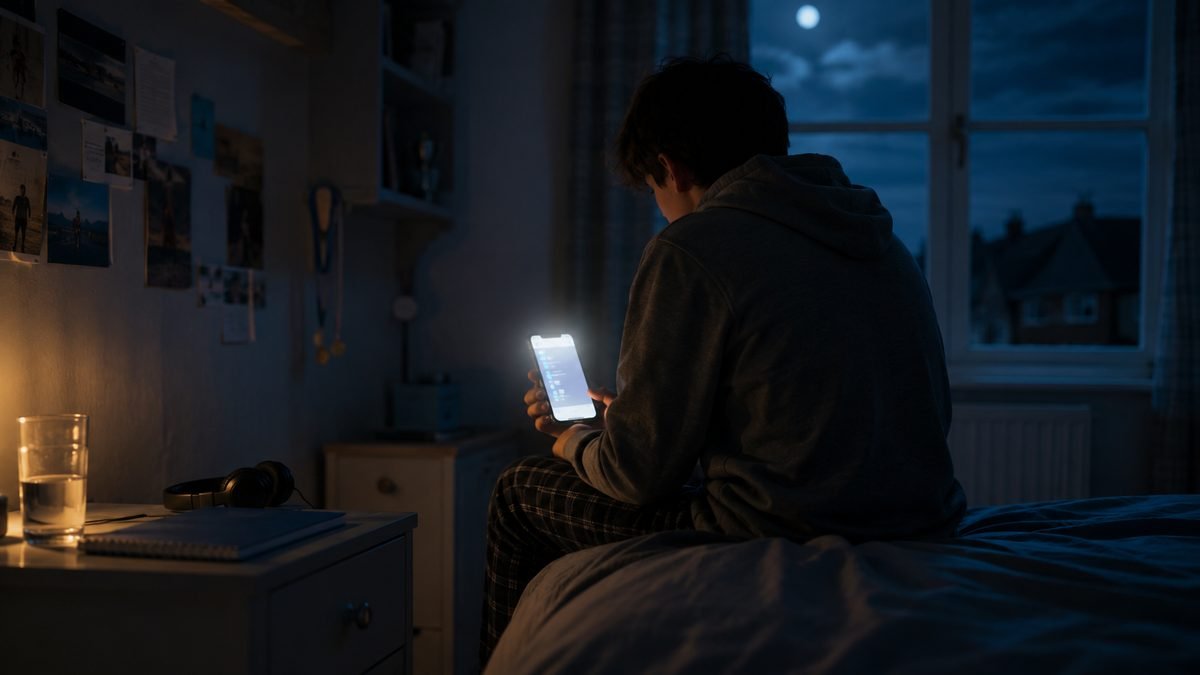
The proposed midnight curfew and controls on infinite scrolling became one of the most discussed UK technology and parenting stories after the government set out its next phase of online-safety measures.
What the government has proposed
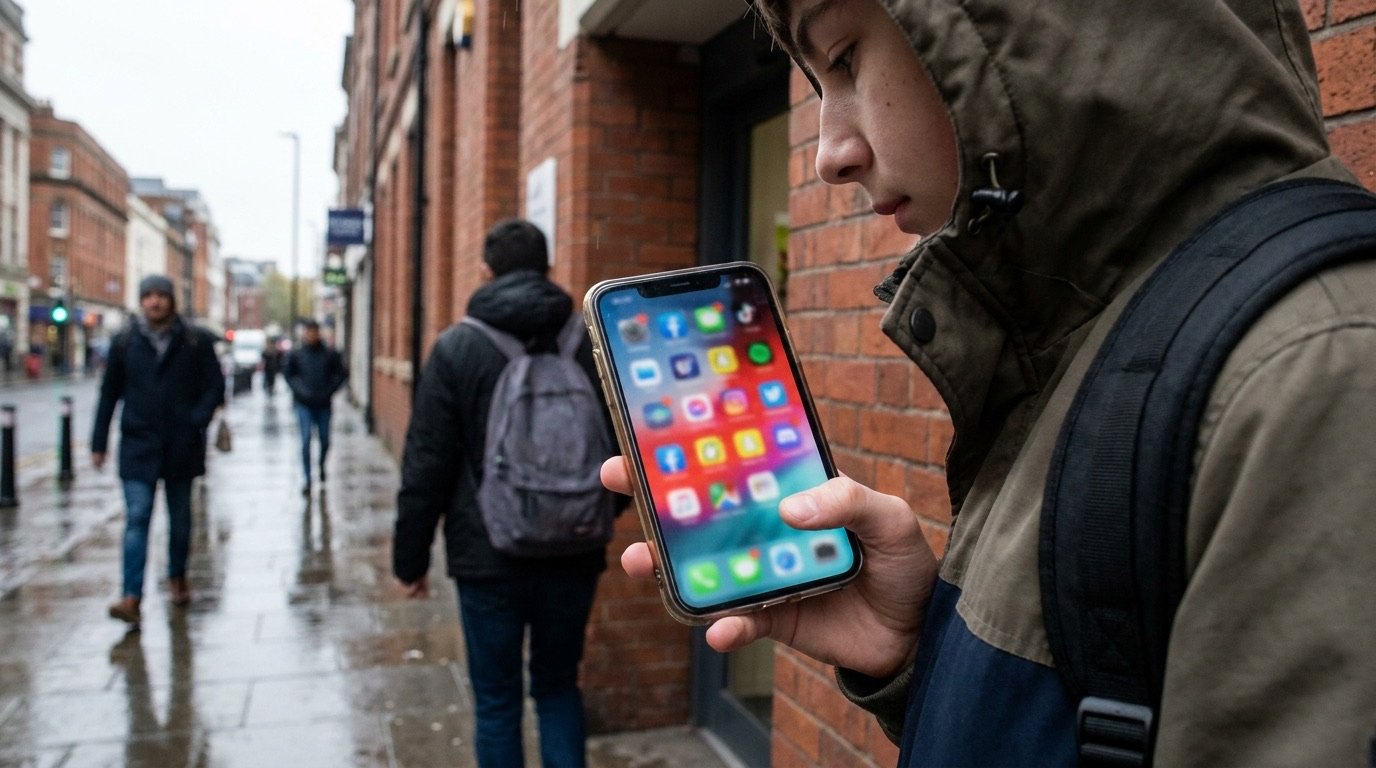
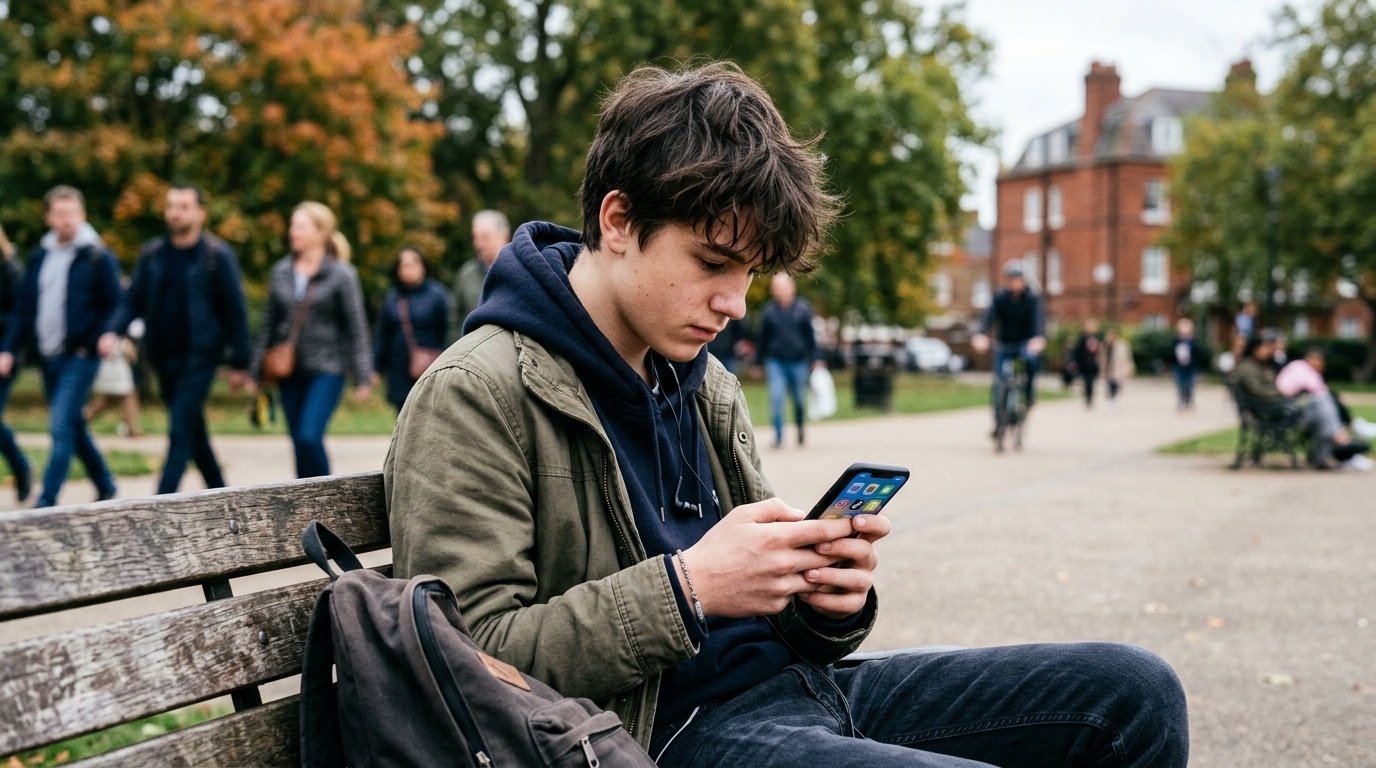
The UK government has announced a new package of online-safety measures aimed at reducing the amount of time older teenagers spend on social media overnight and limiting features designed to keep them continuously engaged. Under the proposal, accounts used by 16- and 17-year-olds would have a default curfew between midnight and 6am. Platforms would also be expected to switch off or restrict features such as infinite scrolling and repeated content recommendations by default for this age group.
The word default is important. The overnight restriction is not described as an absolute legal ban on a 17-year-old opening an app after midnight. Teenagers would be able to change the setting, but the design would make the healthier option the starting point rather than something hidden deep in a menu. The policy follows a broader shift in online regulation from asking users to protect themselves toward requiring technology companies to design services with predictable risks in mind.
Why ministers are targeting design features
Social-media harm is not only about illegal posts or obviously dangerous material. It can arise from the way a service is built. Endless feeds remove natural stopping points, autoplay starts another video without a deliberate choice, streaks create anxiety about breaking a routine, and personalised recommendations can intensify exposure to a narrow type of content. Notifications sent late at night can pull a young person back into an app even when they intended to sleep.
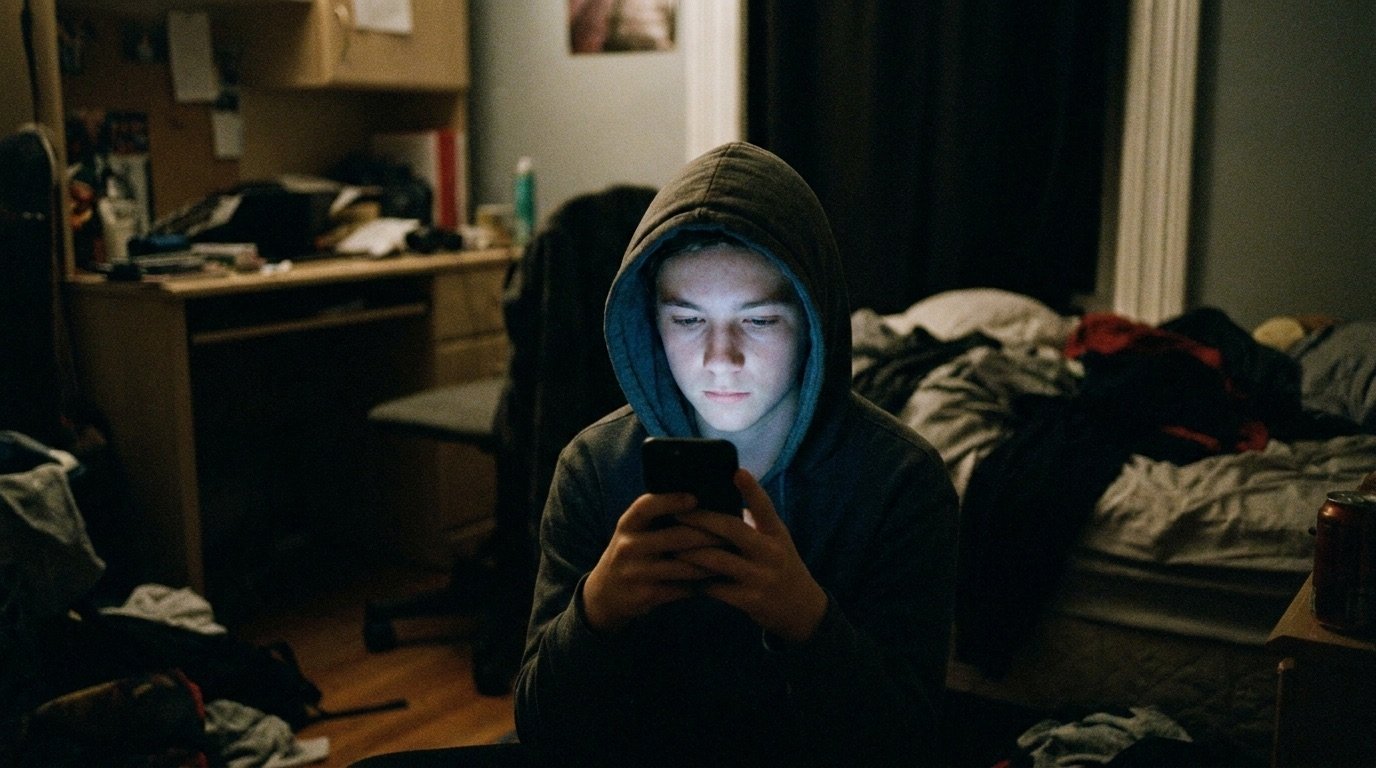
Research linking heavy nighttime phone use with disrupted sleep has made the design of digital services a public-health issue. Poor sleep can affect concentration, mood, school attendance and family relationships. The government says its aim is not to blame teenagers for lacking willpower, but to reduce commercial pressure created by products that are tested and optimised to retain attention.
Critics of regulation caution that the evidence is complex. Young people use social media for friendship, identity, education, creative work and support, and a blunt restriction could affect those benefits. The policy therefore focuses on default settings and product design rather than treating all online use as equally harmful.
How age assurance may work
Any age-specific rule depends on platforms being able to estimate or verify a user's age. The Online Safety Act has already pushed services toward stronger age-assurance systems for high-risk content. Methods can include checks against identity documents, payment information, mobile-network records, facial age estimation or behavioural signals. Each method raises trade-offs involving accuracy, privacy, accessibility and the risk that adults or younger children are classified incorrectly.
The new rules are likely to intensify scrutiny of those systems. A platform cannot credibly promise a protected experience for 16- and 17-year-olds if it allows users to enter any date of birth without further checks. At the same time, requiring every teenager to upload a passport would create a large and sensitive data collection. Regulators will need to assess whether a method is proportionate to the risk, whether data is deleted promptly and whether users have a practical appeal process.
Parents should not assume age assurance is identical to parental monitoring. The government proposal places duties on services; it does not require parents to read messages or track every interaction. Private messaging, educational platforms and services whose main purpose is communication may be treated differently, although harmful content and grooming risks can still arise in those spaces.
The proposed under-16 ban
Alongside the overnight curfew for older teenagers, ministers have signalled an intention to prevent children under 16 from using mainstream social-media services, with implementation targeted for spring 2027. This would be a much larger intervention. Details will determine whether it resembles a strict access ban, an age-gated account rule or a requirement for parental consent and tightly limited functionality.
International experience shows that under-age bans are difficult to enforce. Children may use false birth dates, borrowed accounts, virtual private networks or smaller services outside the main regulatory spotlight. A rule can still change industry behaviour, but it will work only if major platforms adopt reliable age checks and if enforcement prevents companies from gaining a competitive advantage by ignoring the rules.
There is also a boundary problem. Video-sharing, gaming, group chat, livestreaming and social discovery increasingly overlap. A definition that covers only familiar social networks could quickly become obsolete. The government has said messaging and educational services would generally be excluded, but regulators will need to examine hybrid products rather than relying on company labels.
What platforms may have to change
For large technology companies, compliance could involve separate experiences for children, younger teenagers and adults. A 16-year-old account might receive fewer nighttime notifications, a finite feed, more frequent reminders to stop, safer recommendation settings and clearer controls over who can contact them. Companies may also need to test whether safety tools genuinely reduce exposure and compulsive use rather than merely existing on paper.
The UK approach is likely to interact with Ofcom's existing online-safety codes and enforcement powers. Companies that fail to meet statutory duties can face substantial fines and, in serious cases, service restrictions. The precise legal mechanism for the curfew and design standards will matter: some elements may require legislation, while others could be introduced through codes, guidance or negotiated commitments.
Artificial-intelligence companion services are another developing concern. These systems can hold long, emotionally persuasive conversations and may be used by children even when they are not marketed as social networks. The government says protections for AI services are being considered, suggesting the policy will have to evolve beyond conventional feeds and messaging apps.
What families should do now
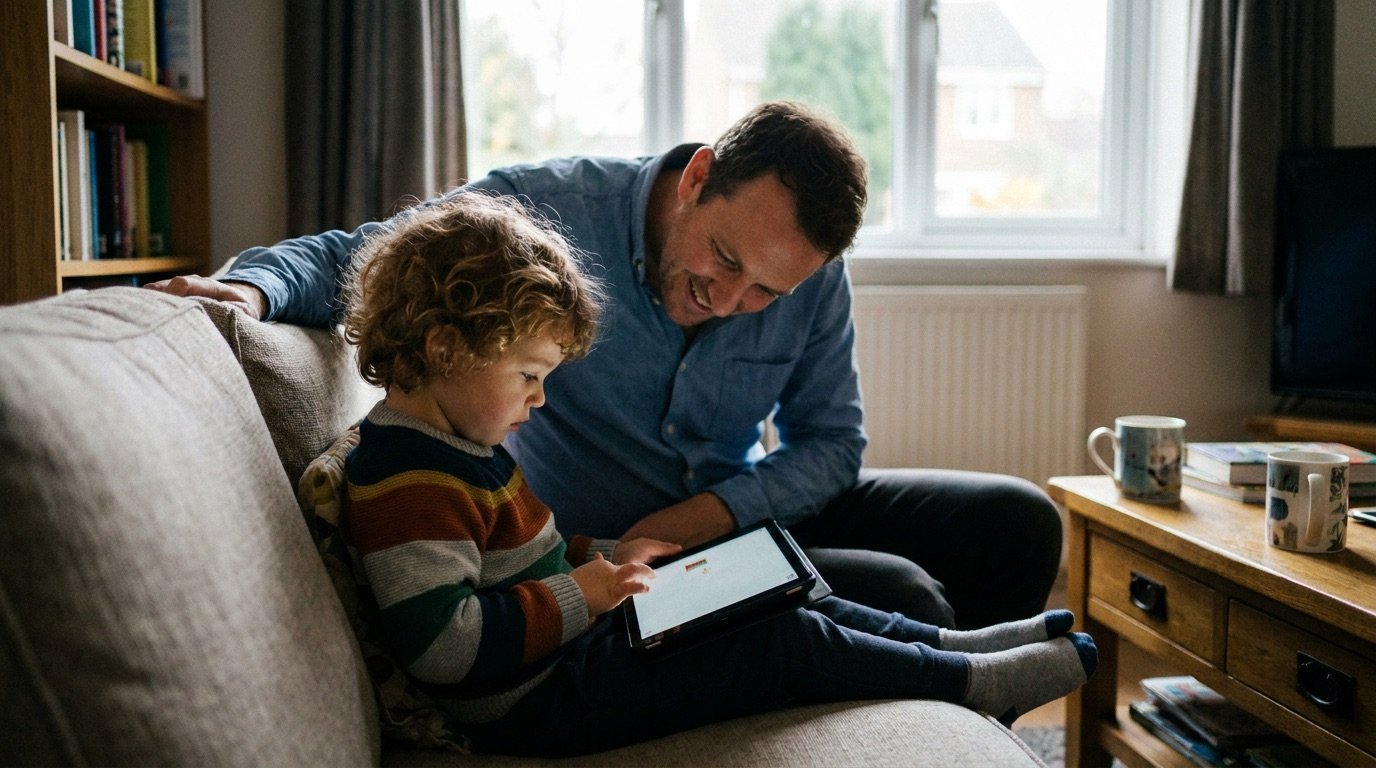
The announcement does not instantly switch off social media at midnight. Families should treat it as a policy direction while awaiting final rules, implementation dates and platform changes. In the meantime, phones and apps already offer screen-time schedules, downtime modes, notification controls and content restrictions. Agreeing limits with a teenager is generally more sustainable than imposing a rule without explanation, especially where devices are also used for homework, travel and contact with friends. On the devices-and-apps side, our sister title Zen Tech Hub publishes independent, research-driven reviews of consumer software and gadgets.
Parents can focus on sleep and wellbeing rather than counting every minute. Charging phones outside the bedroom, disabling non-essential notifications and establishing device-free periods can create clear stopping points. Warning signs such as persistent sleep loss, withdrawal, distress after online activity or exposure to self-harm content may require support from a school, GP or specialist service.
The broader test is whether the policy changes incentives. A teenager should not have to compete alone against systems engineered to maximise engagement. If regulation succeeds, safer defaults will become normal product features rather than optional tools few users discover. The challenge is to protect young people without cutting them off from useful communities or collecting more personal data than safety requires.
Sources & verification
- GOV.UK - Social media curfews and addictive-feature controls
- GOV.UK - Fact sheet on new child online-safety rules
- Sky News - Government social-media proposals
- The Guardian - Midnight curfew coverage
Filed under Technology · Written by Rajan Mehta
You may also like to read