Bessent says US will 'collapse' Iran's government with blockade and 'toughest sanctions in history'
US Treasury Secretary Scott Bessent has said Washington will "collapse" Iran's government through a combination of a naval blockade and what he called "the toughest sanctions in history", in some of the most explicit regime-change language yet from the Trump administration.
World Affairs Editor ·
Why it's trending
Bessent set out the administration's economic strategy against Iran in remarks to CNBC on 20 August, coupling new sanctions designations with a warning to third countries.
The United States intends to "collapse" Iran's government through economic pressure, Treasury Secretary Scott Bessent said on Thursday, describing the strategy as "a one-two punch" combining the existing blockade with a new sanctions campaign. "We have the blockade, and we are going to have the toughest sanctions in history," he told CNBC. "It is going to work in Iran, and we are going to collapse this regime."
The remarks are among the most explicit statements of regime change as a policy goal since the US-Israel war with Iran began in February, and they came alongside concrete action: the Treasury designated ten individuals associated with Hezbollah for sanctions, including a Turkish businessman.
At a glance
- Bessent told CNBC on 20 August the US will "collapse this regime" through economic pressure
- He described the strategy as "a one-two punch": the blockade plus "the toughest sanctions in history"
- The Treasury designated 10 individuals associated with Hezbollah, including a Turkish businessman
- Bessent warned third countries: "You're either with us or against us"
- Passage through the Strait of Hormuz has been restricted since the war began on 28 February
A warning to the rest of the world
The most consequential part of Bessent's remarks may be the threat aimed not at Tehran but at its trading partners. "We're going to them and saying: You're either with us or against us," he said of countries that continue to do business with Iran. "If you insist on doing business with them — either transferring money, buying oil, doing seaborne ship transport — then the US Treasury and the US government, they will put its full might and force towards enforcing against you."
Secondary sanctions of that breadth would put major oil buyers in Asia in a difficult position, forcing a choice between discounted Iranian crude and access to the US financial system.
The blockade context
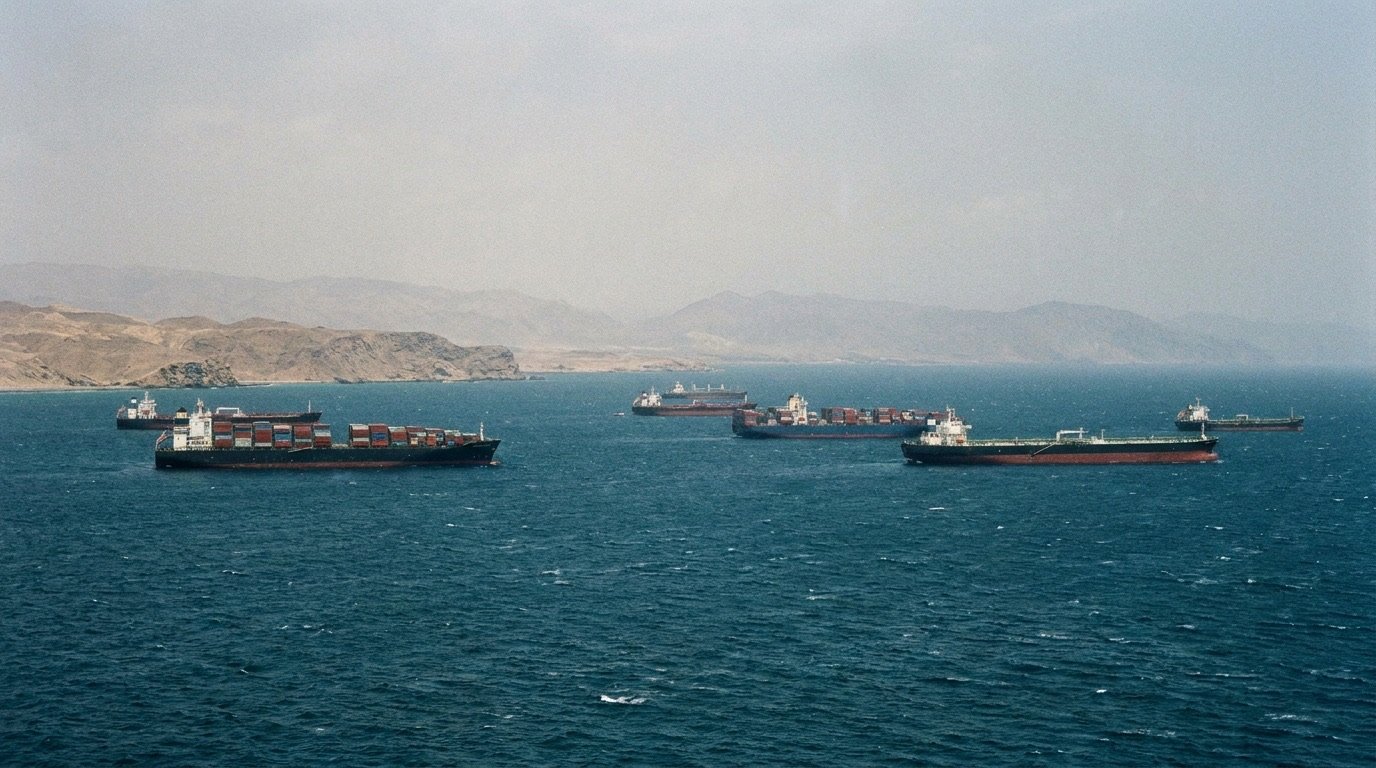
The economic campaign sits on top of a military reality that has already transformed the region's trade. Since the war began on 28 February with US and Israeli attacks, passage through the Strait of Hormuz — the chokepoint for a significant share of the world's seaborne oil — has been restricted, where before the conflict traffic flowed freely.
For Iran, the combination is designed to be suffocating: the blockade physically constrains oil exports while sanctions target the financial channels that would pay for them.
From pressure to collapse
US administrations have imposed sanctions on Iran for decades, but the stated objective has usually been behavioural — to force negotiation over the nuclear programme or curb support for armed groups. Bessent's framing is different: the explicit goal is the fall of the government itself.
That shift matters for how the campaign will be judged and how long it might run. A policy aimed at collapse has no natural off-ramp short of its objective, and it raises the political cost of any future de-escalation for both sides.
The costs of economic siege
Economic pressure on this scale lands first on ordinary Iranians, through inflation, shortages and a collapsing currency, long before it reaches decision-makers. Humanitarian carve-outs in sanctions regimes exist on paper but have historically proved difficult to use when banks refuse Iranian transactions of any kind.
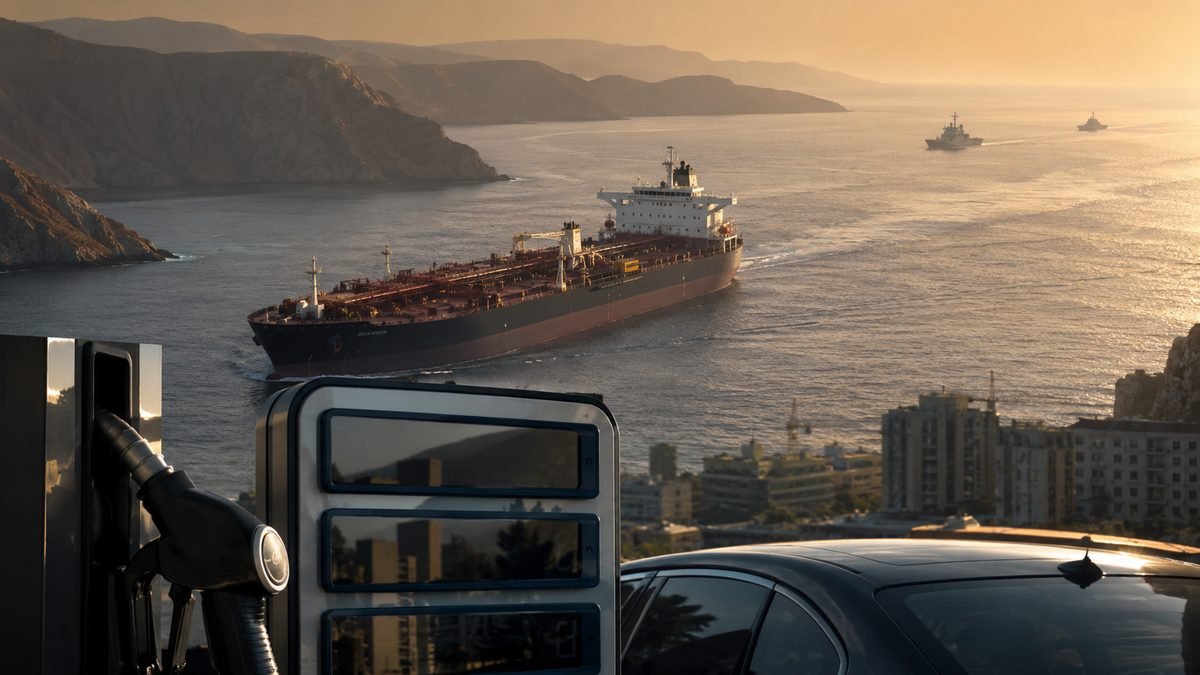
The strategy also carries risks for the world economy. Restricted passage through Hormuz and sanctions on seaborne transport tighten global oil supply, and the costs of that show up in fuel prices far from the Gulf — including at UK forecourts.
What happens next
The immediate signals to watch are the pace of new Treasury designations and whether major buyers of Iranian oil publicly comply or quietly test Washington's enforcement. Bessent's language leaves little room for a negotiated pause, and with the blockade in place the pressure compounds month by month. What remains unknown is the question the entire strategy rests on: whether economic collapse, if it comes, produces the political outcome Washington expects.
Sources & verification
- Al Jazeera — primary reporting and official updates
- Reporting reviewed on 20 August 2026; figures as published at that time
Filed under World · Written by Marcus Reeve