US-Iran Conflict Escalates Around the Strait of Hormuz: What It Means for the UK
US and Iranian attacks around the Strait of Hormuz are escalating. Here is the latest verified picture and the potential impact on UK fuel, shipping and security.
World Affairs Editor ·
Why it's trending
The conflict is a major global breaking story and has direct relevance to UK households and businesses because the Strait of Hormuz is a critical route for oil and liquefied natural gas. Details may change rapidly.
The latest verified picture
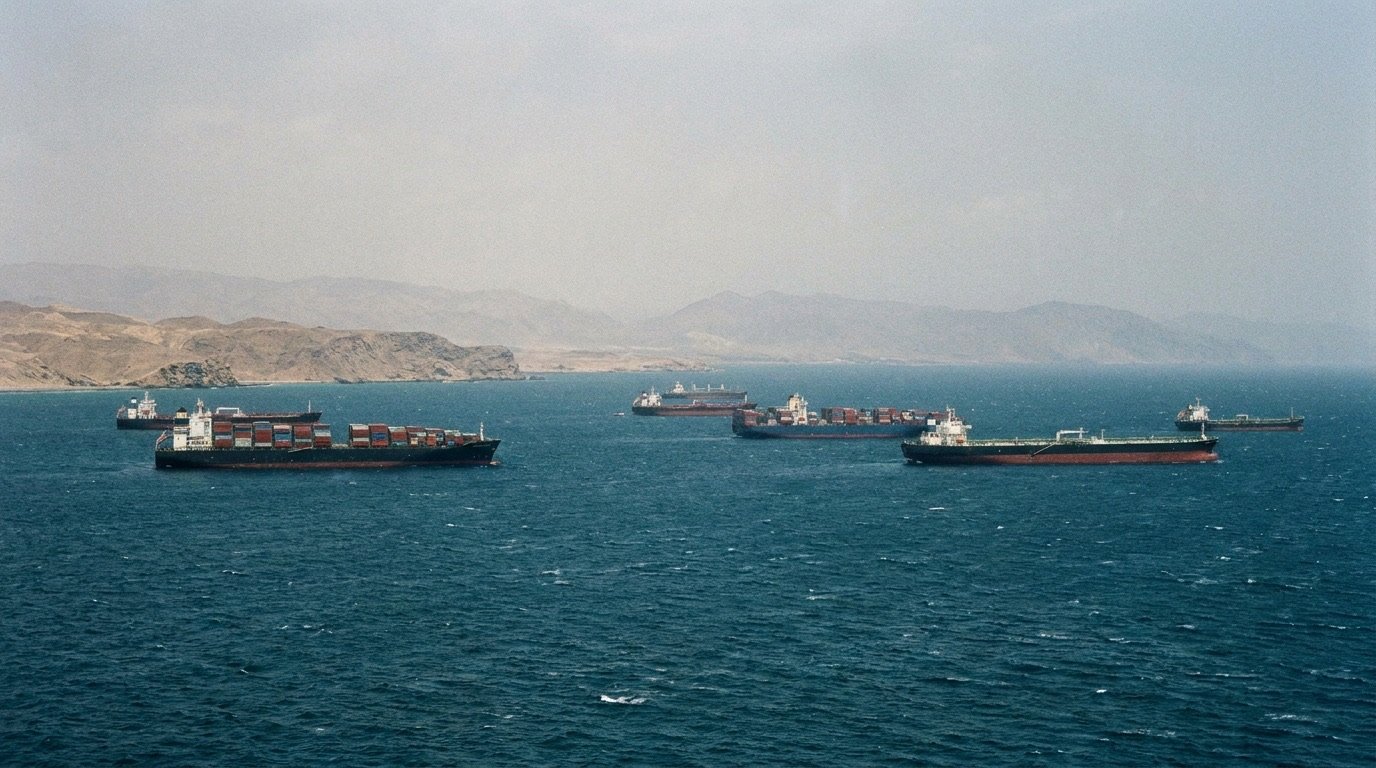
The conflict between the United States and Iran has entered another dangerous phase around the Strait of Hormuz, the narrow waterway linking the Persian Gulf with the Arabian Sea. The United States has restarted a naval blockade operation and says a seven-hour wave of strikes hit dozens of Iranian military targets near the strait and along the coast. Iran has continued attacks against United States-linked facilities and regional targets, including sites in Bahrain, Jordan and Kuwait, according to official and media reports.
Iran's health ministry said more than 260 people were injured in the latest attacks. Casualty figures from an active conflict are difficult to verify independently and can change as hospitals report new information. Claims about targets and damage from both sides should also be treated as attributed statements rather than established fact until supported by independent evidence.
US President Donald Trump has threatened attacks on Iranian power plants and bridges in the following week if negotiations do not advance. Iran, meanwhile, has warned that regional energy exports could be disrupted. A reported proposal for tolls on vessels passing through the strait appears to have been dropped, but the broader threat to navigation remains.
Why the Strait of Hormuz matters
The Strait of Hormuz is one of the world's most important energy chokepoints. A substantial share of globally traded oil and liquefied natural gas passes through a channel that is only a few dozen kilometres wide at its narrowest point. Producers including Saudi Arabia, Iraq, the United Arab Emirates, Kuwait and Qatar rely heavily on the route, although some have limited pipeline alternatives.
The UK does not need to import every barrel directly from the Gulf to feel the effect. Oil and gas are globally priced commodities. If traders believe supplies may be delayed or ships may be attacked, futures prices, insurance premiums and freight costs can rise. Refineries and energy suppliers then face higher replacement costs, which can eventually feed into petrol, diesel, aviation, manufacturing and household bills.
A complete and sustained closure would have a much larger impact than intermittent disruption. Markets therefore react not only to actual lost supply but to the probability of escalation. Even when ships continue moving, naval escorts, rerouting, slower transit and war-risk insurance add expense.
The risk of regional expansion
The geography of the latest attacks increases the danger that the conflict spreads beyond Iran and the United States. Gulf states host American military facilities, energy infrastructure and large expatriate populations. They may be targeted despite seeking to avoid direct involvement. A strike that causes significant casualties or damages an oil terminal could trigger retaliation and draw additional governments into military operations.
Commercial shipping is especially vulnerable to miscalculation. Drones, missiles, mines and small fast boats can threaten vessels in crowded waters. An incident involving a neutral tanker could create an environmental disaster and intensify pressure for a multinational naval response. Airlines may also avoid regional airspace, increasing journey times and costs for passengers and cargo.
Diplomatic channels through Oman and other intermediaries are therefore critical. Talks do not guarantee de-escalation, but they can clarify red lines, arrange temporary pauses and reduce the chance that an ambiguous event is treated as a deliberate attack.
What the UK government may have to do
The British government will be balancing alliance commitments, protection of shipping, consular responsibilities and the need to avoid uncontrolled escalation. The Royal Navy has experience in maritime security operations in the Gulf, but any expanded deployment would require clear objectives and rules of engagement. Parliament and the public would expect transparency about whether UK forces were defending navigation, protecting bases or participating in strikes.
British nationals in the region may face changing travel advice, flight cancellations and restrictions around military or government sites. Travellers should use Foreign, Commonwealth and Development Office guidance and contact airlines rather than relying on unverified social-media posts. Companies with staff, vessels or supply contracts in the Gulf need updated security and continuity plans.
Energy resilience is the domestic dimension. The UK maintains emergency systems and diversified sources, but it remains exposed to international prices. Ministers may face calls to monitor fuel retailers, support energy-intensive industries and coordinate with allies on strategic stocks if disruption becomes prolonged.
How UK prices could be affected
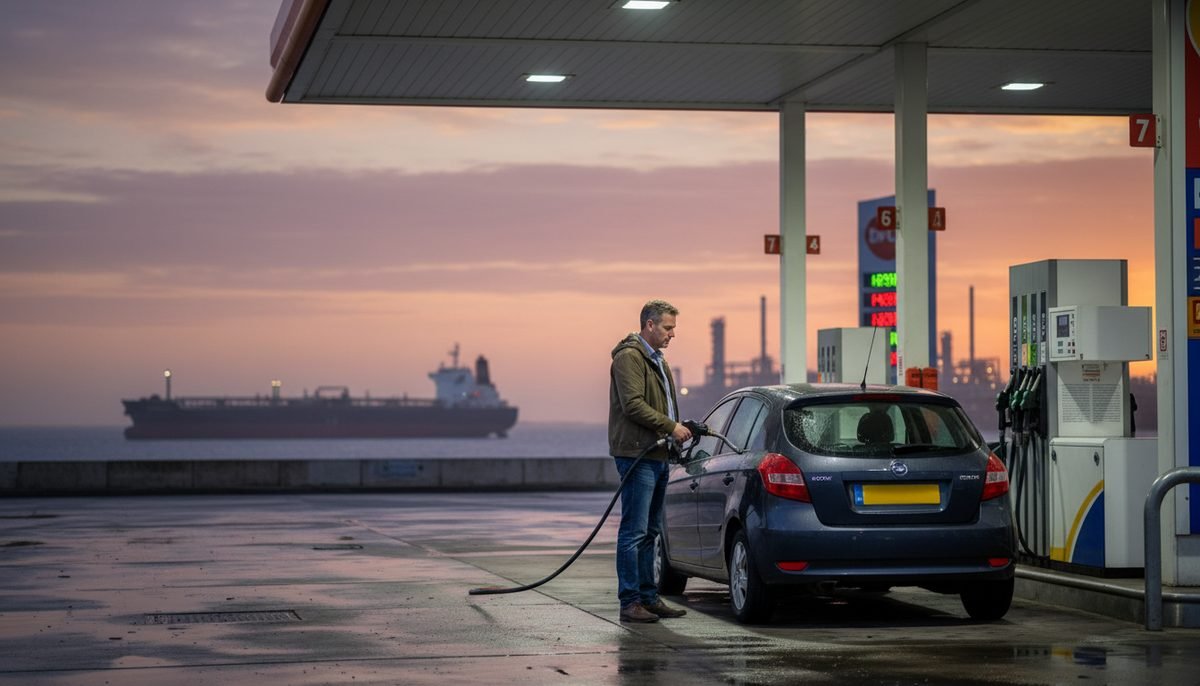
Wholesale oil movements do not translate instantly or evenly into pump prices. Retail fuel reflects crude costs, refining margins, exchange rates, taxes, transport and competition. A short spike may be partly absorbed, while a sustained increase is more likely to reach drivers. Diesel can be particularly sensitive when global refining capacity is tight.
Natural-gas effects depend on the availability of LNG cargoes and European storage. Qatar is a major LNG exporter through Hormuz, so prolonged risk could cause buyers in Europe and Asia to compete for alternative supplies. The UK has significant LNG import capacity and a flexible market, but flexibility does not guarantee low prices when global demand rises.
Higher energy costs can spread through food production, logistics, airlines and manufacturing, complicating inflation and interest-rate decisions. Financial markets may also move toward perceived safe assets, while shares in airlines and energy-intensive firms face pressure. These are scenarios rather than certain outcomes; the scale depends on duration, physical disruption and diplomatic response.
What to watch next
The most important indicators are whether commercial traffic continues through the strait, whether verified damage affects export terminals or pipelines, and whether either side strikes civilian energy infrastructure. Statements about negotiations should be judged by concrete steps such as pauses in attacks, reopening of shipping lanes or agreement on inspection and security arrangements.
Readers should be cautious with dramatic video clips. Old footage from previous conflicts is frequently recirculated during breaking events, and images may be mislabelled. Reliable updates will distinguish confirmed facts, official claims and analysis. Casualty numbers and target lists should be timestamped because they can change quickly.
For the UK, this is not a distant foreign-policy story. It is connected to fuel prices, inflation, travel, shipping and national security. Yet alarmist predictions of an immediate nationwide shortage are not justified by the current evidence. The appropriate conclusion at 9:03am BST is that risk has risen sharply, markets and governments are watching the strait, and diplomacy has become more urgent as military options expand.
Sources & verification
- Associated Press - Latest US-Iran conflict developments
- Sky News - Iran war live updates
- The Guardian - US threats and Strait of Hormuz developments
Filed under World · Written by Marcus Reeve
You may also like to read